


Age limit on vehicle imports removed: Second phase of tariff rationalisation plan unveiled
Pakistan's government unveiled a tariff rationalisation plan, sacrificing Rs143.4 billion in revenue by reducing customs duties and regulatory levies to boost industrial competitiveness and open the economy.
- Sweeping reductions in customs duties and regulatory levies.
- Lowering trade barriers and boosting industrial competitiveness.
- Liberalisation of used vehicle imports and age limit removal.
- National Tariff Policy 2025-2030 and IMF-agreed reforms.
- Expected decline in average tariff rates by 2026-27.

ISLAMABAD: The government on Tuesday unveiled the second phase of its tariff rationalisation plan, sacrificing an estimated Rs143.4 billion in revenue through sweeping reductions in customs duties and regulatory levies aimed at lowering trade barriers, boosting industrial competitiveness, and gradually opening Pakistan’s economy to greater import competition.
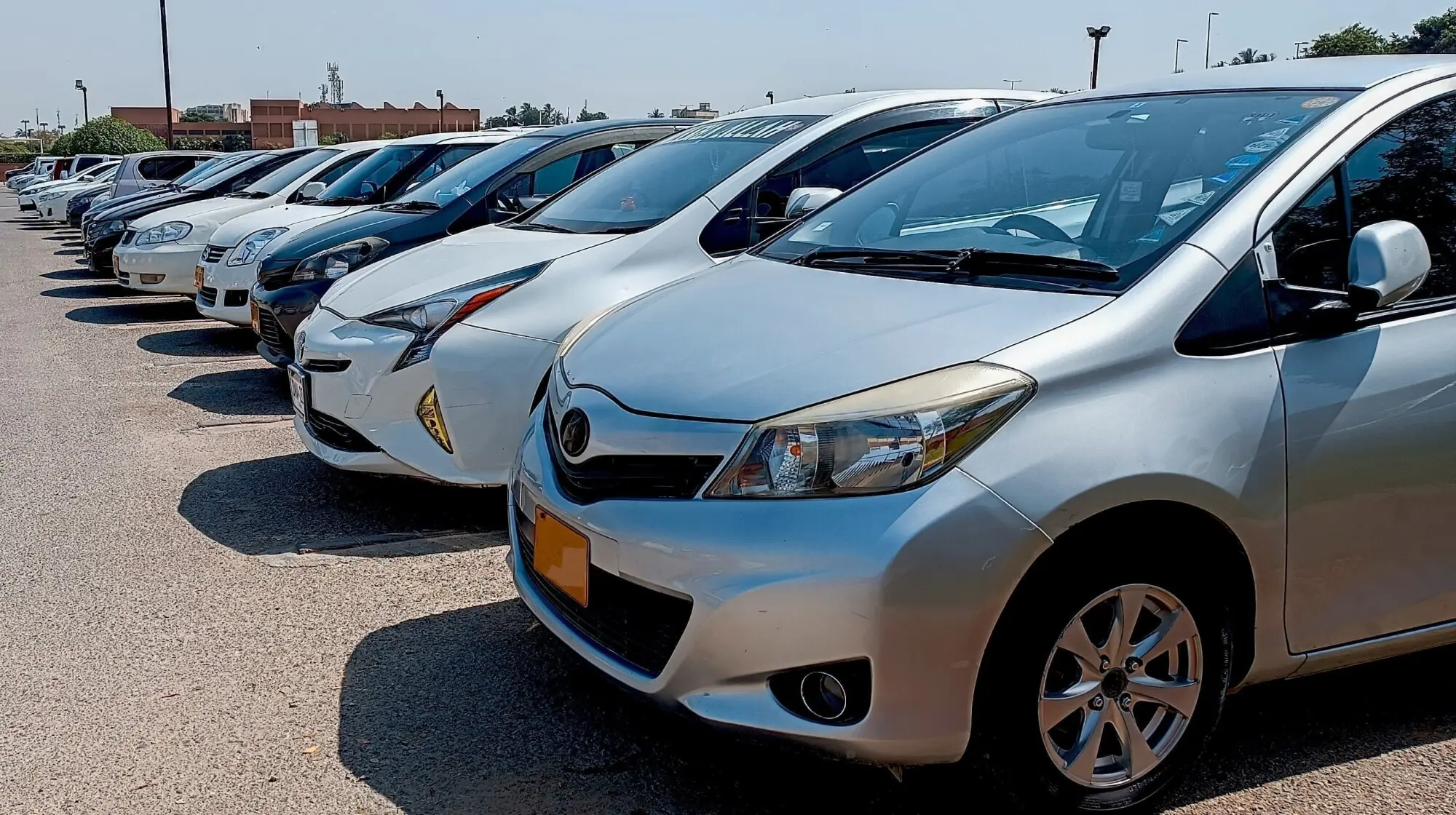
The measures were presented to the Senate Standing Committee on Finance and Revenue, which met here with Saleem Mandviwalla in the chair. The committee was also informed that the additional 40 percent regulatory duty imposed on the commercial import of used vehicles will be reduced to 30 percent.
The government has also decided to remove the existing five-year age limit on commercial imports of used vehicles, subject to compliance with prescribed quality and environmental standards.
READ MORE: Used vehicles’ importers: Govt begins registration process
Secretary of Commerce briefed the committee on the National Tariff Policy 2025-2030, outlining the government’s strategy to enhance industrial competitiveness, facilitate trade, and support long-term economic growth.
The policy aims to gradually rationalise tariff structures, streamline duties, and create a more competitive environment for the domestic industry while supporting exports and investment.
The NTP reform agenda, agreed with the International Monetary Fund (IMF), targets a substantial reduction in Pakistan’s effective tariff structure during 2026-27 in the second year.
The average tariff is expected to decline from 16.56 percent to 13 percent in 2026-27. Under the package, the government will maintain the maximum customs duty (CD) rate at 50 percent but significantly reduce Additional Customs Duties (ACD) and Regulatory Duties (RD) across a wide range of tariff lines.
The ACD structure will be rationalised by reducing rates from six percent to four percent, four percent to two percent, and two percent to zero, with limited exceptions.
Regulatory duties exceeding 20 percent will be capped at 20 percent, while existing RDs of 20 percent and below will be reduced by 20 percent.
Low-end RD slabs of one, two, and 2.5 percent will largely be abolished, except in sectors linked to exports or domestic manufacturing.
Officials described the move as part of a broader strategy to reduce anti-export bias, lower input costs for industry, and simplify Pakistan’s complex tariff regime.
One of the most significant policy shifts announced relates to the automobile sector, where the government plans to further liberalise the import of used vehicles.
Copyright Business Recorder, 2026

















Comments