


Bt and GT genes: a metabolic tax on Pakistan’s cotton or a path to resilience?
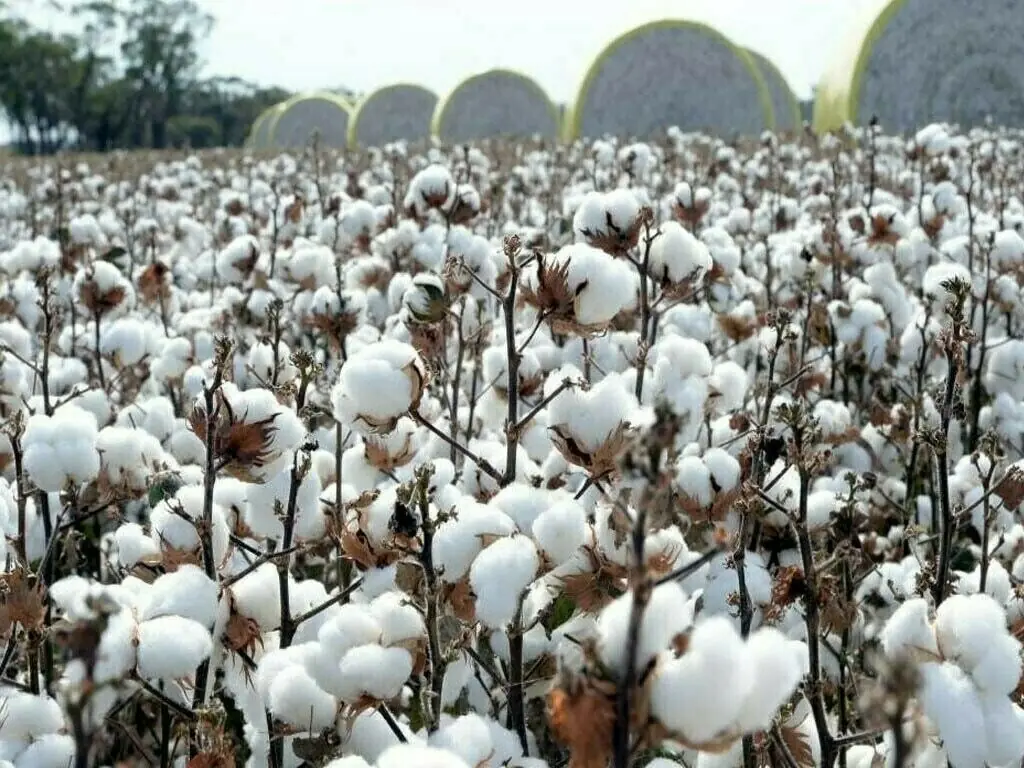

Pakistan possesses a comprehensive textile value chain, spanning from raw cotton and synthetic fiber production to finished fashion; however, the country is currently grappling with a staggering raw material deficit.
Data from 2024-25 reveals a grim reality: domestic consumption stands at 10.5 to 11.5 million bales, while production has plummeted to a mere 5.52 million. This gap necessitates the import of 5.0 to 6.0 million bales, draining USD 3.13 billion in precious foreign exchange.
The climate toll
The crisis is exacerbated by a warming climate. Since 1991, maximum temperatures in Punjab have risen by 2.1°C and minimums by 2.3°C. Research indicates that for every 1°C rise in average temperature, cotton yields decline by approximately 7 percent. Night-time warming is particularly detrimental, as it increases dark respiration rates and reduces the carbohydrate availability necessary for boll development.
The ‘metabolic double tax’
To understand the failure of current “Triple Gene” varieties, one must look at the “biological switch” known as a promoter. These varieties utilize the Cauliflower Mosaic Virus (CaMV) 35S Promoter, a viral switch that never turns off. It forces the plant to continuously synthesize Bacillus thuringiensis (Bt) and Glyphosate Tolerant (GT) proteins from germination until harvest, regardless of environmental conditions.
In contrast, non-Bt plants regulate protein synthesis according to their actual biological needs. This constant, forced production acts as a “metabolic double tax”. From day one, the plant is coerced into producing toxins instead of focusing on critical root development, leading to weak establishment and poor germination.
The crisis peaks during heat waves. At temperatures exceeding 45°C, a plant typically stops almost all protein synthesis to produce essential Heat Shock Proteins (HSPs) for survival.
However, the viral promoter overrides this survival instinct, forcing the plant to keep manufacturing Bt and GT toxins. This “metabolic bankruptcy” results in stunted growth, small bolls, and the “Lal Patti” (red leaf) condition.
From taxing to investing
Instead of using old genetic technology that continuously drains a plant’s energy, research by Professor Hong Zhang at Texas Tech University focuses on an “investment” model using two special genes, AVP1 and OsSIZ1. These genes work together to push the plant to grow a much deeper, stronger root system right from the start, helping it naturally survive harsh weather.
While critics traditionally worried that keeping these protective genes turned on all the time would delay the plant’s normal growth, Professor Hong’s research proved this worry wrong; even when running continuously under standard biological switches the modified plants grew perfectly and actually outperformed regular crops.
However, to survive the brutal 45°C+ heatwaves typical of Pakistani summers, pairing these investment genes with a smart, stress-triggered switch called the RD29A promoter provides an essential secondary defense. This smart switch contains built-in sensors (called DRE and ABRE elements) that allow it to stay quiet during normal weather, but the exact moment intense heat and dry air hit the field, it kicks into gear to activate the genes and strictly conserve cellular energy. By stacking these specific genes and smart switches together, this biotechnology directly solves the two biggest agricultural headaches in Pakistan’s Indus Basin: it helps wheat crops tolerate high soil salinity and prevents heat-stressed cotton plants from dropping their bolls during severe heatwaves.
High inputs, low returns: the economic paradox of Pakistan’s Bt cotton
Currently, Pakistan’s average lint yield stands at 593 kg/ha, which is significantly lower than Turkey’s, a non-Bt country, which achieves an impressive 1873 kg/ha. Historically, Pakistan reached its own record peak of nearly 23-25 maunds per acre in 1991–92 using non-Bt varieties.
The yield divergence between these two nations proves that this technology is not a guaranteed certificate of higher yield. In fact, Pakistan’s current averages are lower than its own pre-Bt yields of 1991–92. The facts and figures demonstrate that this technology has failed to deliver in Pakistan’s specific environment, resulting in higher inputs for less output.
Evaluating the per-acre costs reveals a stark reality: Pakistani farmers are paying more to manage a failing system. While Turkish farmers spend USD 30-USD 45 on targeted pest management, Pakistani farmers must spend USD 65-USD 90 on 8 to 12 sprays per season just to combat resistant pests.
The path to sovereignty
Food security is as vital as border security. Implementing Bt and GT technologies designed for different climates in our 45°C plus heat has proven to be “technological suicide”.
Technology is like water—essential for survival; however, if one chooses to drown in it, the fault lies with the decision-maker, not the water. It is a tool that we must learn to use in our own favour. There are unlimited opportunities waiting to be explored according to our own benefits and circumstances, but we must realize that no one else will come to work for us.
Importing technology is like buying Rafale jets, and the ultimate control remains with the seller. We cannot import resilience; climate-smart varieties are always local because they are born from the local soil and environment.
Our public research institutes must lead this revolution to develop indigenous, “investment-based” biotechnology.
Developing indigenous technology is like the JF-17; you own every circuit. It is time for a comprehensive dialogue over this expired Bt technology in cotton. To safeguard our textile industry, which is our largest industrial sector, primary foreign exchange earner, and leading source of employment, we must eliminate the USD 4 billion raw cotton import bill. This is the only path out of the current economic catastrophe. We must remember the ICAC’s historical assessment: ‘Cotton is the lifeline of Pakistan’s economy.’
Copyright Business Recorder, 2026
The writer is a Senior Scientist at the Cotton Research Station, Ayub Agricultural Research Institute, Faisalabad.) She has worked exclusively in the public sector for nearly 20 years, contributing significantly to agriculture research through numerous impact factor publications and collaborations with research associations across Pakistan


























Comments