


Budget 2026-27: key terms every Pakistani should know
This guide explains key financial terms like GDP, fiscal deficit, and debt servicing, essential for understanding the government's annual budget and how public money is managed.
- Key financial terms for understanding government budgets.
- Government revenue sources and expenditure categories.
- Fiscal health indicators like debt-to-GDP ratio.
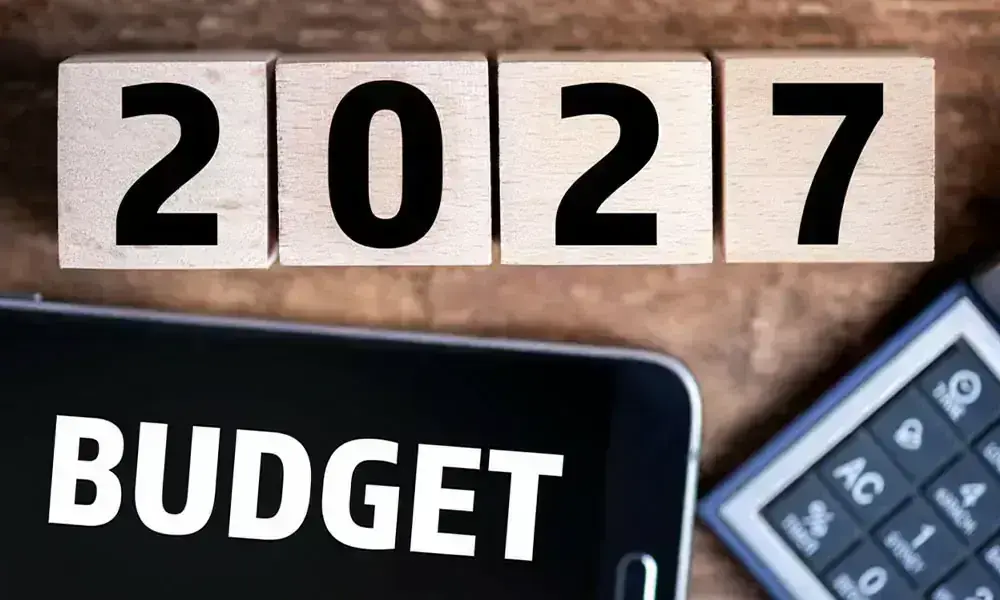

As the government unveils its fiscal roadmap for the coming year, terms such as GDP, primary surplus, PSDP, subsidies, and debt servicing take center stage. Understanding what these concepts mean is essential to grasping how public money is raised, spent and managed.
Finance Minister Muhammad Aurangzeb will table the budget for FY2026-27 in the National Assembly on Friday.
As the government prepares to unveil the budget today, here’s a handy guide to the key financial terms that will help you make sense of the finance bill:
Budget
The government’s annual financial plan outlining expected revenues and expenditures for a fiscal year.
Fiscal year (FY)
A 12-month accounting period used for budgeting and financial reporting. In Pakistan, it runs from July 1 to June 30.
Gross domestic product (GDP)
The total value of goods and services produced within a country during a specific period. Budget indicators are often expressed as a percentage of GDP.
Revenue
Money received by the government from taxes, fees, dividends, grants, and other sources.
Tax revenue
Income generated through direct and indirect taxes, such as income tax, sales tax, and customs duties.
Non-tax revenue
Government income from sources other than taxes, including profits from state-owned enterprises, fees, fines, and dividends.
Expenditure
Total spending by the government during a fiscal year.
Current expenditure
Spending on day-to-day government operations, including salaries, pensions, subsidies, and debt servicing.
Development expenditure
Spending on projects aimed at economic and social development, such as infrastructure, education, and healthcare.
Public sector development programme (PSDP)
A government-funded programme financing development projects and infrastructure schemes.
Fiscal deficit
The amount by which total government expenditure exceeds total revenue (excluding borrowing).
Primary deficit/surplus
Fiscal deficit or surplus excluding interest payments on public debt.
Budget deficit
A situation where government spending exceeds its total income during a fiscal year.
Budget surplus
A situation where government revenue exceeds expenditure.
Debt servicing
Payments made on government debt, including both interest and principal repayments.
Petroleum levy (PL)
A charge imposed by the government on petroleum products such as petrol and diesel. Unlike a tax, the levy is collected to generate revenue for the federal government and is often adjusted to help meet fiscal targets without directly affecting the tax structure.
Tax-to-GDP ratio
A measure of a country’s tax collection efficiency, calculated as total tax revenue divided by GDP. It shows the share of economic output collected by the government in taxes and is a key indicator of fiscal capacity.
Debt-to-GDP ratio
The ratio of a country’s total public debt to its GDP. It is used to assess the government’s ability to repay its debt relative to the size of the economy. A higher ratio generally indicates a greater debt burden, while a lower ratio suggests stronger debt sustainability.
Public debt
The total amount owed by the government to domestic and external creditors.
Subsidy
Financial assistance provided by the government to reduce costs for consumers or producers.
Grant
Funds provided by the government or donors that do not need to be repaid.
Current account balance
The difference between a country’s earnings from exports and remittances and its spending on imports and external payments.
Supplementary grant
Additional funds approved during the fiscal year for spending beyond the original budget allocation.
Revised estimates
Updated projections of revenues and expenditures during the fiscal year.
Budget estimates
Forecasts of government revenues and expenditures for the upcoming fiscal year.





















Comments