


Oil gains after Trump says US will hit Iran 'very hard tonight'
- Brent futures rose 46 cents, or 0.5%, to $93.56 a barrel
Oil prices climbed over $2 a barrel after Iran declared the Strait of Hormuz closed following new US strikes, escalating tensions and impacting global energy supplies.
- Iran's declaration to close the critical Strait of Hormuz.
- Escalating US strikes against Iran and military tensions.
- Impact on global oil shipments and US crude inventories.
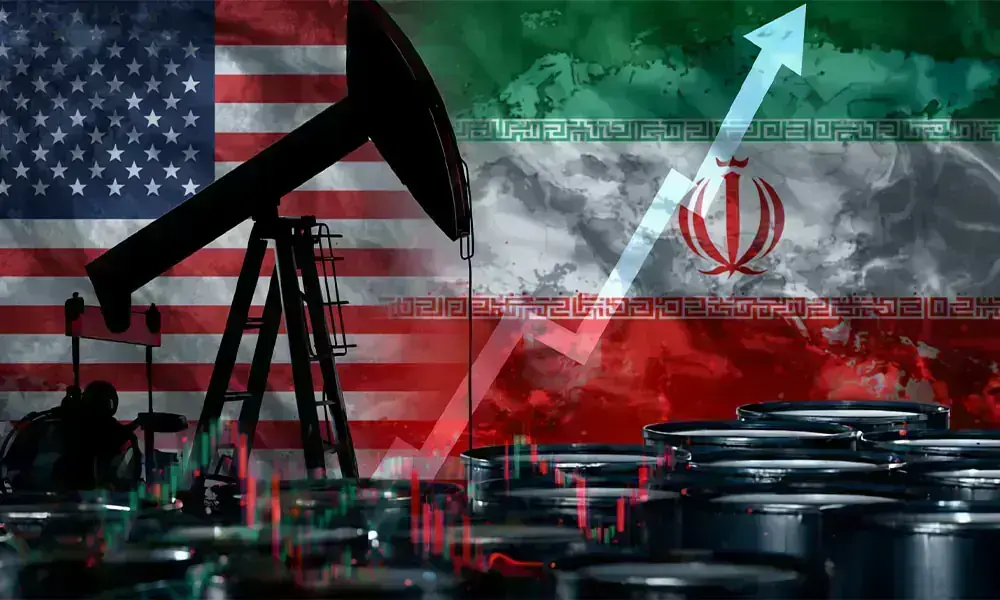
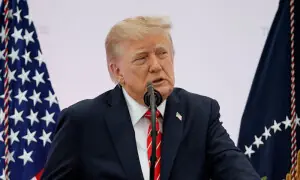
LONDON: Oil prices rose on Thursday after U.S. President Donald Trump said the United States will hit Iran “very hard tonight” and will soon take control of the Middle Eastern country’s oil and gas infrastructure and markets.
Hostilities between the U.S. and Iran have recently escalated. Tehran declared the Strait of Hormuz closed after the U.S. launched additional strikes against Iran and as Trump vowed more attacks if no peace deal is secured.
Brent futures rose 46 cents, or 0.5%, to $93.56 a barrel by 1237 GMT, while U.S. West Texas Intermediate (WTI) crude gained 65 cents, or 0.7%, to $90.68.
Still, three Iranian sources and a European official said the U.S. and Iran were exchanging messages on details of a memorandum after reaching a political understanding, but some issues still had to be discussed in detail, including a mechanism for the release of billions of dollars in frozen Iranian funds.
Weaker Chinese fuel demand is also helping to contain the Iran-driven oil rally, with falling gasoline and diesel use, as well as lower crude imports.
Iran’s joint military command announced the closure of the Strait, including for oil tankers and commercial ships, saying any vessel attempting passage will be shot at.
US says it disables third oil tanker in Gulf of Oman
“The latest escalation adds uncertainty to already fragile ceasefire negotiations and risks prolonged supply disruptions that have constrained global crude, fuel, and LNG exports since the conflict began,” MUFG analyst Soojin Kim said.
Commercial ships continue to transit
On Wednesday, the U.S. military said on X that commercial ships continued to transit in and out of the Strait. It also said no U.S. warships have been struck in the Strait, after Iran’s state media reported U.S. ships near the waterway were targeted by missiles and drones.
Three more LNG tankers have slipped out of the Strait of Hormuz with transponders off, heading to Asia, though the timing is unclear, LSEG and Kpler data show.
While India reported an incident involving a vessel off Shinas port in Oman earlier Thursday, the third of its kind this week, Indian refiners told Reuters on Thursday they had secured enough crude to meet their needs through at least August.
Abu Dhabi National Oil Co (ADNOC) and some other sellers managed to export some crude and offered some to buyers in Asia.
Meanwhile, U.S. crude inventories fell by 7.2 million barrels to 426.5 million in the week ended June 5, the EIA said on Wednesday, compared with analysts’ expectations in a Reuters poll for a 4 million-barrel draw.
Underscoring the squeeze, OPEC output in May slid to its lowest level in over two decades, a Reuters survey showed, as a U.S. naval blockade curbed Iran’s exports and Tehran’s effective closure of the strategic waterway slashed shipments from other Gulf producers.

















Comments