


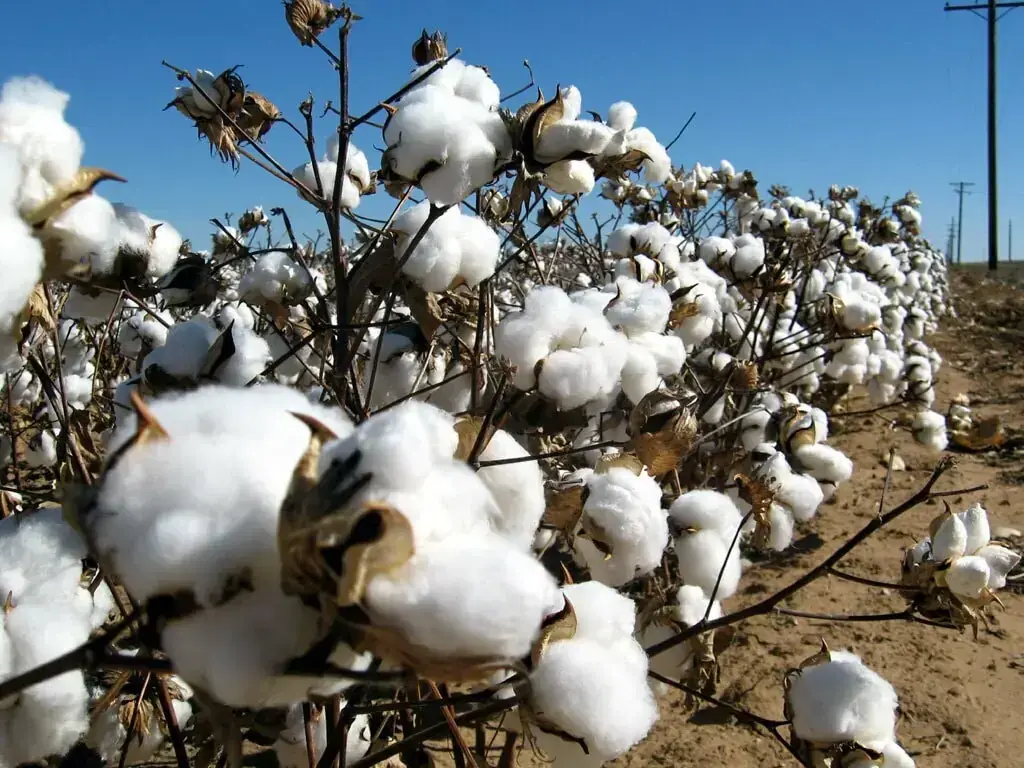

LAHORE: Speakers at an international cotton conference stressed the need for an immediate and coordinated national strategy to address the issue of falling cotton crop production in Pakistan.
They were of the consensus that revival of Pakistan’s cotton sector is only possible through immediate, practical, and science-based interventions.
They emphasized that Pakistan can modernize its agricultural system by learning from the experiences of countries such as China, the United States, and Australia; otherwise, the cotton crisis may continue to intensify.
The conference was held at Muhammad Nawaz Sharif University of Agriculture, Multan, where experts from abroad and the country deliberated on the subject.
Secretary Agriculture Punjab, Iftikhar Ali Sahoo, hoped that the conference will help in developing a better understanding of the challenges about cotton sector and facilitate the identification of effective solutions.
He added the practical recommendations presented by national and international scientists will be incorporated into cotton management advisories for the benefit of cotton growers.
He urged experts to formulate a comprehensive calendar-based activities for improving cotton productivity. He also stressed the need for scientists to develop climate-smart cotton varieties suitable for mechanical harvesting which is need of the time.
A major development announced during the conference was the inauguration of Pakistan’s first online cotton germplasm database by Muhammad Nawaz Sharif University of Agriculture, Multan. Experts described the initiative as a revolutionary step for cotton genetics research, crop improvement, and the development of new cotton varieties.
On this occasion, Vice Chancellor Professor Dr. Asif Ali stated that the most significant agricultural challenge facing Pakistan this year is the sharp decline in cotton production. He emphasized the need for an immediate and coordinated national strategy to address the issue. He further proposed the establishment of a unified framework under which all relevant institutions would jointly formulate and implement a comprehensive roadmap for cotton improvement.
Director General Green Pakistan Initiative, Major General (retd), Shahid Nazir, highlighted the need to adopt technology-driven agriculture for the revival of the cotton sector. He stressed the practical implementation of drones, smart machinery, precision seeders, and digital monitoring systems to increase productivity and ensure the efficient use of resources.
Dr. Cutter Davis emphasized the urgent establishment of a National Cotton Health Surveillance Network to continuously monitor diseases, insect pests, and resistance trends affecting cotton crops.
Dr. Albert Santos stated that fiber quality is the most critical factor in global cotton competitiveness and stressed the need for Pakistan to establish modern High Volume Instrument (HVI) laboratories without delay.
Dr. Iqbal Bandesha identified climate change, increasing disease incidence, and growing pest pressure as major causes of declining cotton production. He called for an integrated strategy to combat pink bollworm, whitefly, and cotton viral diseases.
Copyright Business Recorder, 2026




















Comments