


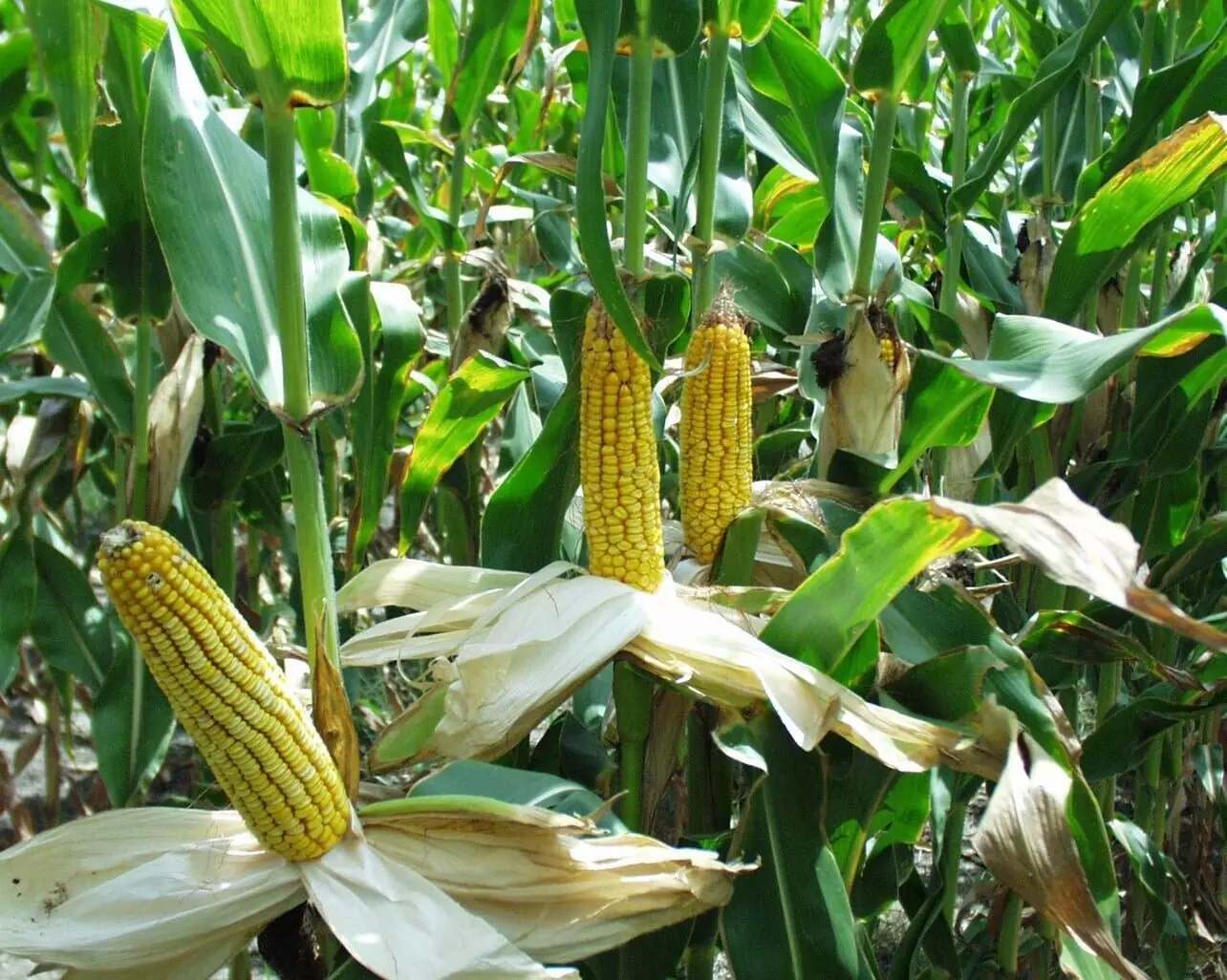

LAHORE: Amid growing concerns among maize growers over the performance of certain hybrid seed varieties, agricultural policy advocate and Co-founder Agriculture Republic, Aamer Hayat Bhandara, has called for the establishment of a formal “farmer compensation and accountability framework.”
He argued that Pakistan’s agricultural governance system lacks an effective mechanism to determine responsibility and compensate farmers when agricultural inputs fail to deliver the results promised by suppliers.
Bhandara said while policymakers frequently discuss support prices, subsidies, climate change, water shortages and access to technology, insufficient attention is paid to who bears responsibility when agricultural inputs fail to perform as advertised.
The issue has gained prominence this season as farmers across Pakistan shared photographs, videos and field observations on social media questioning whether some maize hybrids delivered the productivity claimed during marketing campaigns.
Bhandara told Business Recorder that Pakistan’s agriculture sector increasingly relies on hybrid seeds, fertilizers, pesticides and crop protection products. While these innovations have improved productivity, they have also increased farmers’ financial risks.
“The farmer carries nearly all the risk,” Bhandara said, adding that growers invest heavily in production but are often left alone to absorb losses when crops fail.
According to him, one of the biggest weaknesses in Pakistan’s agricultural governance system is the absence of an independent mechanism to determine responsibility when disputes arise between farmers and input providers.
He noted that poor crop performance is often attributed to management practices, irrigation decisions or weather conditions, but there is rarely an impartial process to assess whether the product itself performed according to claims made at the time of sale.
Farmers seeking compensation for losses linked to seeds, fertilizers or pesticides often face lengthy and costly procedures that are beyond the reach of small and medium-scale growers, he added.
“To my knowledge, very few farmers have ever received meaningful compensation for losses linked to agricultural inputs,” he said.
Referring to the current maize seed controversy, Bhandara said the growing number of complaints demonstrates the need for a structured review process. However, he stressed that accountability should not be viewed as opposition to private-sector participation in agriculture.
“This is not about targeting companies. It is about creating a fair system. If an independent investigation finds that the farmer was responsible, that conclusion should be accepted. But if a company failed to deliver what was promised, then the farmer should be compensated.”
Bhandara proposed a provincial agricultural accountability and compensation framework, under which specialized bodies would investigate complaints related to agricultural inputs and issue decisions within a defined timeframe.
He said such a framework would improve transparency, strengthen trust between farmers and suppliers, and encourage adoption of modern agricultural technologies.
Bhandara further noted that Pakistan’s agriculture sector is already under pressure from climate change, water scarcity, rising production costs, shrinking profit margins and market uncertainty, making stronger institutional protections essential for farmers.
“Agriculture cannot progress without accountability. The future of farming depends not only on better technologies and higher yields, but also on institutions that ensure fairness, transparency and protection for the people who take the greatest risks to feed the country,” he concluded.
Copyright Business Recorder, 2026




















Comments