


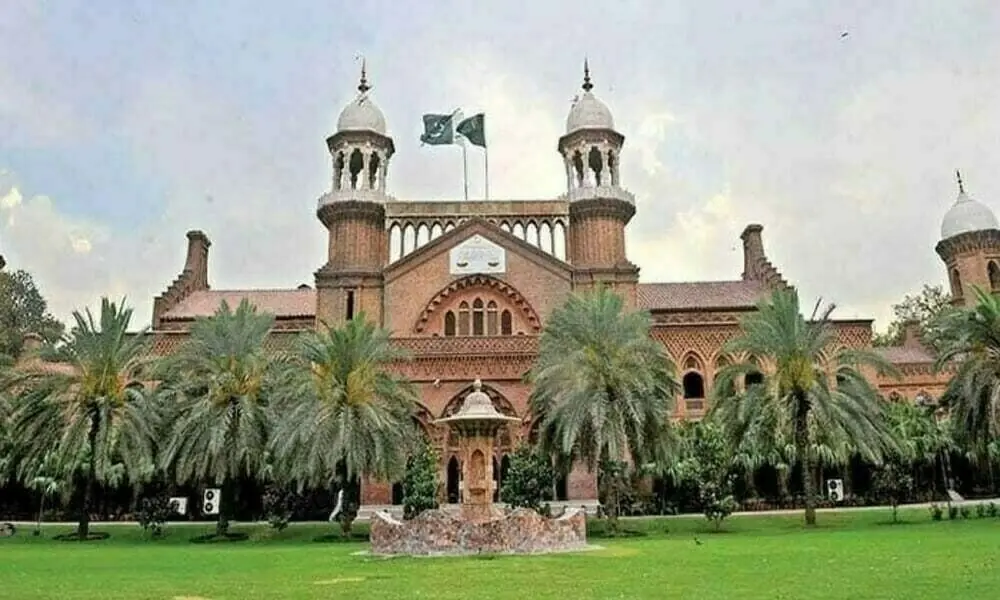

LAHORE: The Lahore High Court (LHC) has dismissed a constitutional petition challenging the capacity payment mechanism for Independent Power Producers (IPPs), ruling that it cannot function as an appellate forum for economic, financial or regulatory policy decisions made by competent authorities.
In a detailed judgment, the court declared the petition filed by Ashba Kamran non-maintainable, observing that mere disagreement with government policy does not constitute valid grounds for invoking constitutional jurisdiction. The court further held that the petitioner failed to demonstrate any violation of fundamental rights.
The court ruled that directing recovery of payments made to IPPs falls outside judicial jurisdiction, adding that courts cannot dictate policy formulation under the guise of public interest litigation. It emphasized that matters relating to capacity charges, tariff structures, and energy sector economics fall within the domain of policymakers and regulators.
“The court cannot assume the role of a policy maker, regulator, auditor, economist or energy-sector administrator,” the judgment stated, warning that acceptance of such arguments would amount to judicial encroachment into constitutionally assigned roles of other state institutions.
Citing the doctrine of separation of powers, the court underscored that constitutional courts must exercise restraint in matters of governance and public policy. It observed that judicial review is limited to examining the legality of decision-making processes, not the merits of the decisions themselves.
The LHC further noted that courts are not expected to interfere in administrative or executive decisions merely because an alternative approach may appear more desirable or efficient. It added that intervention is justified only where an action is without lawful authority, tainted by mala fide intent, or in clear violation of statutory or constitutional provisions.
Reaffirming the principle of judicial restraint, the court concluded that overreach into policy domains reserved for the executive or legislature would disturb the constitutional balance among state institutions.
Copyright Business Recorder, 2026




















Comments