


Malnutrition costs country nearly USD17bn in lost productivity
Pakistan faces an escalating nutrition crisis, with widespread child stunting, anemia, and obesity. Experts highlight significant financial gaps and call for urgent policy reforms and increased investment in nutrition.
- Widespread child stunting, anemia, and obesity in Pakistan.
- Significant financial gaps and neglect of nutrition in the federal budget.
- Recommendations for policy reforms and early prevention strategies.
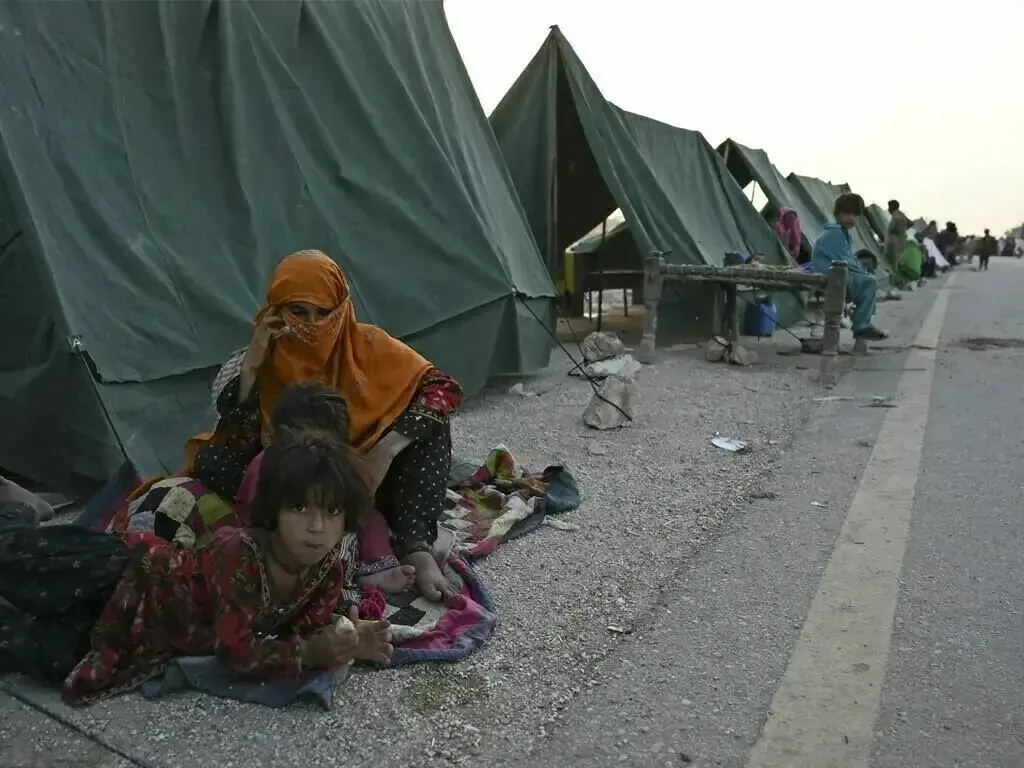
KARACHI: Speakers at a seminar discussed the escalating nutrition crisis in the country and presented recommendations to cope with the lurking challenges ahead of the federal budget.
The discussion revealed that 40 percent of children under five in Pakistan suffered from stunting growth while more than half of women and children had been affected by anaemia.
Billed “Nutrition Crisis — Challenges and Pathways to Reform” was organised by the Pakistan Nutrition and Dietetic Society (PNDS) in collaboration with the Karachi Press Club (KPC), bringing together experts in nutrition and public health to discuss sustainable reforms and policy integration.
Nutrition remains neglected in the federal budget, with up to 75 percent financing gaps at provincial levels, costing Pakistan nearly 17 billion dollars annually in lost productivity, healthcare expenses, and human capital losses.
Dr. Asim Bashir Khan, a health economist and public finance expert, highlighted major gaps in nutrition financing and accountability, emphasizing that Pakistan’s nutrition investments remain below recommended levels and were often not linked to measurable outcomes.
He called for a shift from incremental to performance-based budgeting, stronger monitoring and evaluation systems, greater transparency in public spending, and clear accountability mechanisms to ensure nutrition policies translate into meaningful improvements in population health.
Professor Dr. Abdul Basit, director of the Indus Hospital’s Diabetes and Endocrinology Department, noted that obesity was rapidly becoming a major driver of diabetes in Pakistan, yet current prevention efforts targeting adults aged 30-40 start too late since risk factors were already established by the school age, with over 10 million children overweight or obese.
“Risk begins before birth, as maternal health, low breastfeeding rates, and both underweight and overweight newborns all influence future obesity and diabetes risk,” he said, calling for adoption of a comprehensive prevention strategy that spanned pregnancy, childhood, and adulthood.
Fayza Khan, president of the PNDS, statedin her opening remarks that nutrition must be recognized as a cornerstone of the country’s health system.
“We need to integrate nutritionists into primary healthcare, appoint dietitians in hospitals and research institutions, and empower them in policymaking,” she said, adding that the PNDS would continue to advocate for multisectoral nutrition financing, inclusion of experts, and establishment of nutrition positions in research and policy.
Copyright Business Recorder, 2026






















Comments