


Australia, NZ dollars suffer Gulf setback, await RBA outlook
- The kiwi dollar edged up to $0.5872, having fallen 1.1% overnight
The Australian and New Zealand dollars steadied as investors awaited an RBA interest rate outlook, amid signs of an economic slowdown and market expectations of a rate hold.
- Australian economic slowdown and potential GDP contraction.
- RBA's cautious stance on interest rates amid economic downturn.
- Market expectations for future Australian interest rate changes.
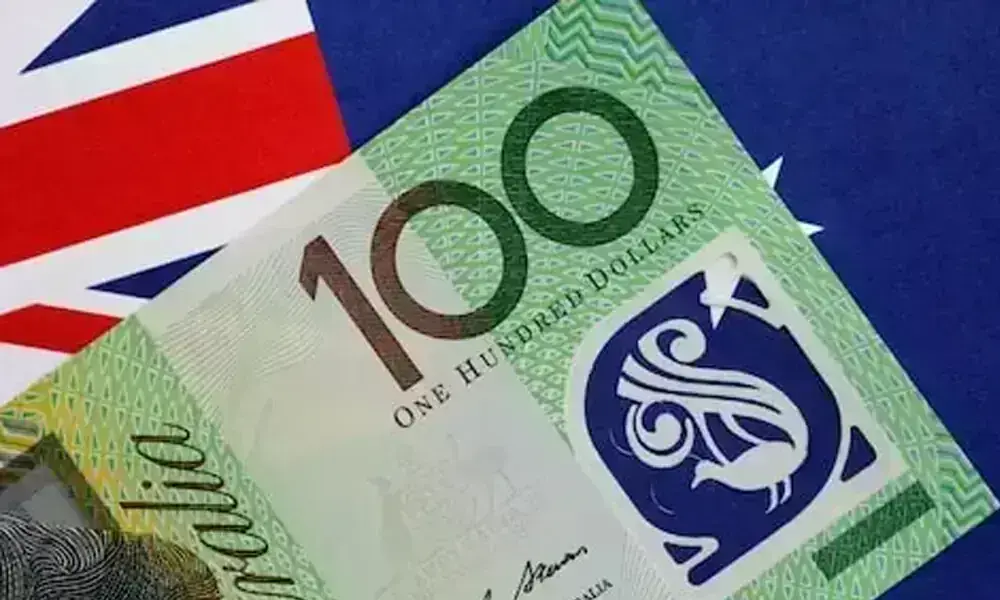

SYDNEY: The Australian and New Zealand dollars steadied on Thursday after renewed fighting in the Gulf knocked risk assets in general, while investors awaited an update on the outlook for Australian interest rates later in the session.
The Aussie held at $0.7132, after slipping 0.7% the previous session and continuing the see-saw pattern of recent weeks. Support comes in at $0.7098 and $0.7080, with resistance around $0.7200.
The kiwi dollar edged up to $0.5872, having fallen 1.1% overnight.
Support lies at $0.5816, with resistance at $0.5993.
The Aussie was still smarting from data showing the economy was slowing early this year as the Reserve Bank of Australia started a series of three rate hikes, while a surge in petrol prices ate into consumer spending power.
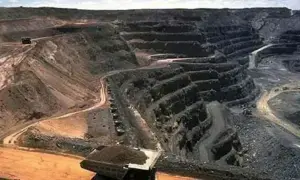
There was better news on trade as Australia’s goods balance swung back into surplus in April thanks to a rebound in iron ore and coal exports.
Imports stayed high as a surge in fuel shipments offset a pullback in equipment for data centres. Other recent data has shown unemployment rising and household spending sliding in April, while house prices turned lower in May as higher mortgage costs hit demand.
“Our view is that GDP is likely to contract in Q2, and the risk is rising that there may be two consecutive quarters of falling GDP,” said Paul Bloxham, chief economist Australia at HSBC.
“For the RBA, while inflation is still too high, and set to rise a bit further yet, we expect them to be on hold, rather than to hike further, given the economic downturn that is, in our view, already happening,” he said.
RBA Governor Michelle Bullock will appear before a Senate economics committee on Thursday afternoon and is likely to be questioned on what the economic slowdown means for interest rates going forward.
She has indicated the board felt it had space now to assess the impact of rate hikes and higher energy costs on demand in the economy.
Markets imply almost no chance of a hike in the 4.35% cash rate at the next RBA meeting on June 16, and around a 50% probability of a move to 4.60% in August.‑Reuters

















Comments