


Cotton crop conditions: APTMA urges Punjab to share weekly reports

ISLAMABAD: All Pakistan Textile Mills Association (APTMA) has urged the Punjab Agriculture Department to initiate and regularly share weekly reports on cotton crop conditions across all cotton-growing districts of the province.
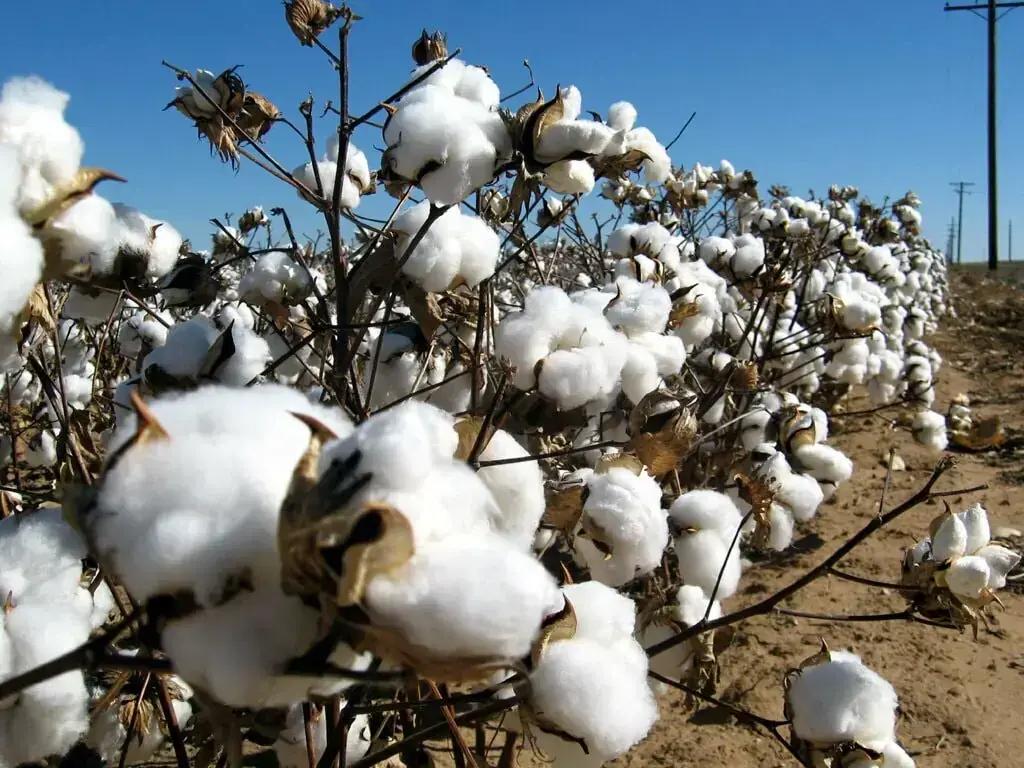
In a letter addressed to Secretary Agriculture Punjab Iftikhar Ali Sahoo, APTMA Chairman Kamran Arshad stated that despite lower-than-expected acreage in several regions, crop conditions in many early and timely sown areas remain encouraging. Favorable weather, supportive temperatures, and good fruit setting are being observed in several fields, offering the potential for improved productivity if the crop is properly managed during the upcoming critical growth stages.
However, he warned that field observations have revealed a serious infestation of thrips in a large number of cotton fields across Punjab. In several cases, delayed pest management has already begun to adversely affect vegetative growth, fruit retention, and overall crop vigor.
Given the crop’s sensitivity at this stage, APTMA has emphasised the need for the Agriculture Department to intensify pest surveillance and provide timely, practical, and area-specific advisory guidelines to farmers. These should include recommendations on pest scouting, economic threshold levels, and effective management strategies for thrips and other emerging pests.
APTMA has requested the department to: (i) initiate and share regular weekly crop condition reports across all cotton-growing districts; (ii) provide updated district-wise and tehsil-wise sowing data and acreage statistics; (iii) share farmer-wise or cluster-wise sowing information, where available, to facilitate better industry coordination; (iv) develop and circulate realistic, scientifically-based cotton production forecasts for the 2026–27 season; (v) strengthen field advisory services and awareness campaigns, particularly for timely pest control measures; and (vi) share periodic updates on crop health, pest pressure, weather impact, and expected yield trends with relevant stakeholders, including the textile industry.
Arshad noted that the textile sector is closely monitoring the cotton situation, as Pakistan’s reliance on imported cotton has increased in recent years due to a persistent decline in domestic production.
He stressed that timely availability of reliable field data, acreage updates, and production forecasts would significantly support national planning, market stability, and industry preparedness.
Copyright Business Recorder, 2026




















Comments