


China’s consent to revise IPP deals
Pakistan is urging Chinese CPEC power producers to renegotiate agreements, citing detrimental terms that have led to massive unpaid dues and economic strain, despite previous renegotiations with other IPPs.
- Pakistan's efforts to renegotiate CPEC power agreements.
- Chinese IPPs' resistance to new contract terms.
- The impact of circular debt on Pakistan's power sector.
- Government's offer to clear Chinese IPP dues.
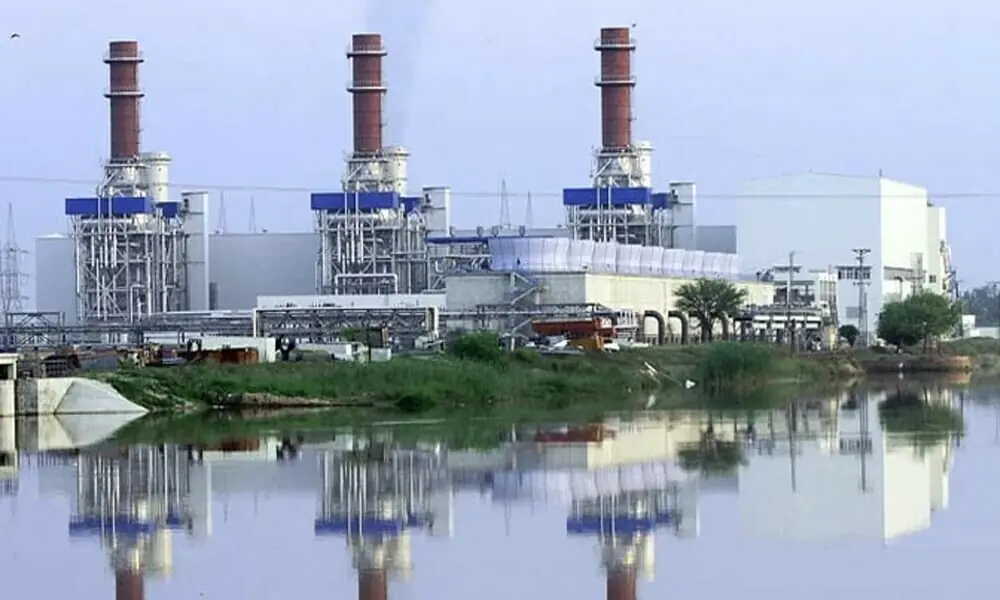
EDITORIAL: The Pakistan government is making efforts to persuade the Chinese Independent Power Producers (IPPs), established under the China Pakistan Economic Corridor (CPEC) post-2016 to renegotiate the terms of the agreements similar to those that were concluded with other IPPs under the 2002 and 2012 policies. All contracts awarded under the policies guaranteed capacity payments even if electricity was not despatched to the national grid due to lower seasonal demand and/or due to a decline in the Gross Domestic Product (GDP) growth rate; additionally, they were dollar-indexed, envisaging full repatriation of profits – policies that have worked to the detriment of not only the domestic consumers but also compromised the government’s capacity to release the funds due to the economy’s fragility at present. This, in turn, resulted in around 500 billion rupee unpaid dues to the companies as per the contracts.
The policies clearly favoured the IPPs but at the time the objective was to attract foreign direct investment to meet major power shortfalls that, it was argued, would fuel productivity, including higher export earnings, thereby easing repayments to the IPPs. These objectives remained unmet: today Pakistan’s trade deficit is 23.5 billion dollars (July 2025 to March 2026), credit to private sector is a low of 864.1 billion rupees (with the bulk of the borrowing by the government that has raised the annual debt servicing costs) but not included is the 1.25 trillion rupee borrowed by the power sector to retire the rising circular debt.
Previous administrations as well as the incumbent one successfully renegotiated the contracts signed under the 2022 and 2012 policies, with the government of a few foreign owned IPPs raising issues of contract violation with Pakistan; however, so far the CPEC IPPs have resisted efforts towards renegotiation on the premise that their shareholders expect the returns that were negotiated; and reportedly further maintained that contracts signed with other countries would then come up for reconsideration and suggested that they (the Chinese) were open to other concessions.
The irony is that the 1.25 trillion-rupee loan secured by the government after considerable pressure on the banks that were already over-exposed to the power sector to retire the circular debt. Part of that debt is owed to the Chinese IPPs amounting to around 500 billion rupees. The candy on offer, as per well-informed sources, is for the Chinese IPPs “to avail the opportunity to clear their receivables from the 1.225 trillion-rupee facility…for which they will have to sign agreements similar to those already concluded with other IPPs.” The Chinese IPPs have so far been rightly clamouring for clearing their dues.
Pending agreement with the Chinese IPPs bulk of the loan secured from the banks remains undisbursed though it is not yet clear whether the interest on the loan - lower due to the decline in the policy rate to 10.5 percent from the earlier nearly 20 percent, a rate that the International Monetary Fund (IMF) had refused to approve, is being paid by the consumers or whether the old higher rate is still being charged. Be that as it may, there are also questions as to whether the recent rise in the policy rate by 100 basis points would imply a rise in the tariffs as the IMF’s condition is to adjust the Debt Service Surcharge in that case.
To further complicate matters it is relevant to note that until the ongoing Middle East conflict is resolved, which is negatively impacting on the domestic inflation rate (like in other countries), the policy rate may rise further in weeks to come, which will further impact on the tariffs charged and consequently impact on productivity.
To conclude, there are major issues facing the power sector and so far the approach appears to be the same as before with the exception that the renewables are being encouraged that are reducing demand from the national grid and, thereby, raising capacity payments. There is an urgent need to formulate a holistic approach to the power sector, short, medium and long term, based on whether the Chinese IPPs agree to renegotiate or not.
Copyright Business Recorder, 2026














Comments