


Iran state TV says European countries in talks with Tehran for Hormuz transit
Iran reports European countries are negotiating transit through the Strait of Hormuz, which Tehran has largely controlled since a recent conflict, imposing tolls and new management protocols.
- Iran's new tolls and management protocols for the Strait of Hormuz.
- The impact of Iran's control on global oil and gas shipments.
- Exclusion of "freedom project" operators from the vital waterway.
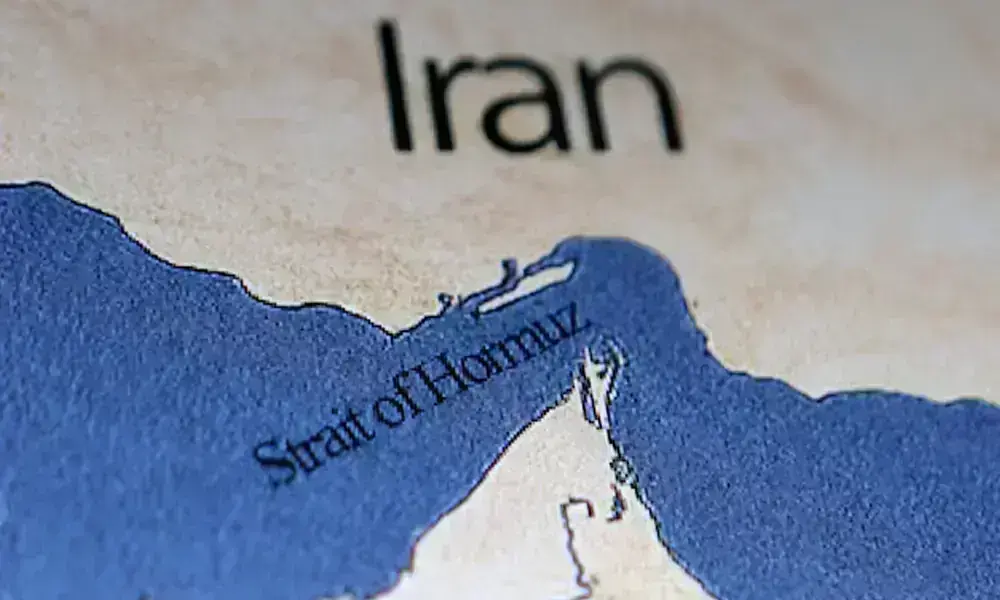
TEHRAN: Iranian state television said on Saturday that European countries were in talks with Tehran over transit for ships through the Strait of Hormuz.
“Following the passage of ships from East Asian countries, notably China, Japan and Pakistan, we received information today indicating that Europeans have also begun negotiations with the Revolutionary Guards navy” to get permission to pass, state television reported, without specifying which countries.
Iran has largely blocked shipping through the vital strait since the outbreak of war with the United States and Israel on February 28. A fragile ceasefire has been in place since April 8.
Its grip over the waterway has rattled global markets and given Tehran significant leverage, while the United States has imposed its own naval blockade on Iranian ports.
In peacetime, the route accounts for roughly a fifth of global oil and liquefied natural gas shipments, along with other key commodities.
Iran has in recent days allowed passage for dozens of ships including from China “after an agreement on Iran’s strait management protocols,” the Guards, the ideological arm of Iran’s military, said in a statement.
Since the war broke out, Iran has repeatedly said that maritime traffic through the strait would “not return to its pre-war status” and last month said it has received the first revenue from tolls it imposed on the waterway.
On Saturday, Ebrahim Azizi, head of the Iranian parliament’s national security commission, said Iran “has prepared a professional mechanism to manage traffic” through the strait, adding that it will be “unveiled soon”.
“In this process, only commercial vessels and parties cooperating with Iran will benefit from it,” he noted, adding that “the necessary fees will be collected for specialized services”.
“This route will remain closed to the operators of the so-called ‘freedom project’,” he said, referring to a temporary US military operation to guide stranded commercial ships through the strait.

















Comments