


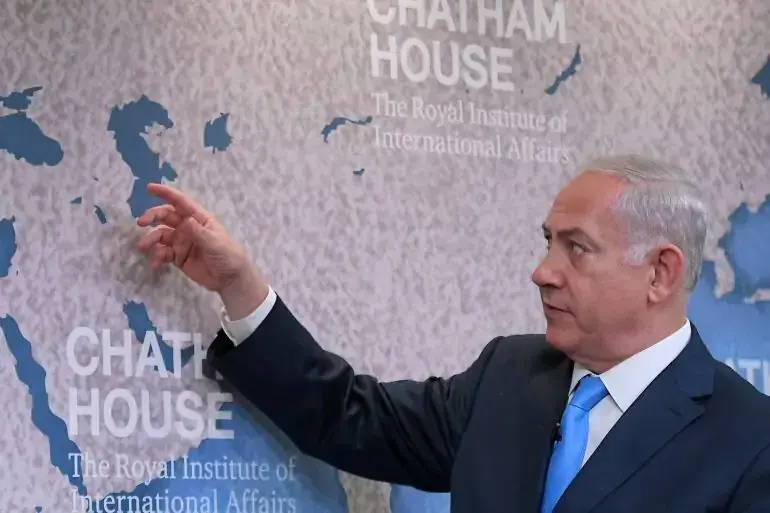

At the beginning of the Iran war, many observers believed that the greatest beneficiary would ultimately be Israel. The war was projected as the final chapter in a long strategic campaign to neutralize Iran, dismantle its regional influence, and reshape the Middle East under a new geopolitical order favorable to Tel Aviv and Washington.
Israeli intelligence circles, supported by Prime Minister Benjamin Netanyahu and their allies in Washington, appeared convinced that the Iranian state was fragile, internally collapsing, economically exhausted, and politically isolated. According to that narrative, all that Iran needed was one decisive kinetic push from the United States and Israel for the entire regime to collapse like a house of cards.
The assumption was that once Tehran fell, a pro-Western puppet regime would emerge, Iranian resources would come under indirect American-Israeli influence, and the strategic dream of uncontested Israeli dominance in the Middle East would finally become reality. This was not merely about defeating Iran militarily; it was about transforming the entire political map of the region.
Copyright Business Recorder, 2026
The writer is a former Press Secretary to the President, An ex-Press Minister at Embassy of Pakistan to France, a former MD, SRBC Macomb, Detroit, Michigan




















Comments