


India plans to bolster key export scheme as Iran war sours trade outlook
- Talks to bolster the scheme follow a series of challenges faced by exporters in the Asian nation
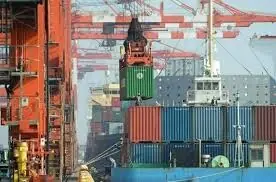
NEW DELHI: India is planning to raise spending on its key scheme designed to refund local taxes paid on export goods and extend the programme’s tenure by five years, two government officials said, as the Middle East war clouds the county’s trade outlook.
The scheme, currently valid until September 30 with a budget of a little over $1 billion, reimburses exporters for taxes and levies paid to federal, state and local authorities that are not refunded under other programmes, to make export goods more competitive.
But India’s annual budget released in February nearly halved financial allocation for the scheme for the fiscal year 2026/27.
Talks to bolster the scheme follow a series of challenges faced by exporters in the Asian nation which are facing cash-flow strains due to prohibitively high freight rates around risk-fraught Gulf routes, after braving U.S. President Donald Trump’s steep tariffs for months.
The Middle East conflict weakened trade in March, with India’s merchandise exports falling 7.4% year-on-year and 24 of 30 major export categories declining. Shipments to key trading partners in the region, including United Arab Emirates and Saudi Arabia, fell sharply.
The share of exports in India’s GDP has been increasingly steadily to nearly a fifth.
The nation’s finance ministry and commerce ministry are discussing reinforcing the Remission of Duties and Taxes on Export Products (RoDTEP) scheme, the officials said.
Both officials, who have direct knowledge of the matter, did not wish to be identified as discussions between the two government departments are private. India’s finance ministry and commerce ministry did not respond to e-mailed requests for comment.
The scheme covers more than 10,000 products, ranging from agriculture and textiles to engineering goods, and offers incentives worth 1%-4% of product value in lieu of taxes paid by exporters.
Incentive rates under the scheme were halved in February after the national budget but were restored in March as the Middle East conflict ensued.
The present incentive rates under the scheme do not adequately represent the cost challenges that exporters suffer, said Pankaj Chadha, chairman of Engineering Exports Promotion Council.
New Delhi plans to extend the scheme for another five years with improved financial outlays, the first official said, adding a final decision on the exact allocation for the scheme is yet to be made.
“The government first needs to revise incentive rates under the program. That is being discussed,” the second government official said.
Earlier this week, India approved a new emergency credit guarantee programme worth $1.9 billion to support businesses facing short-term liquidity stress due to the Middle East crisis.
In March, India also offered insurance cover for shipments moving through the affected corridors to stabilise costs and prevent order cancellations.












Comments