


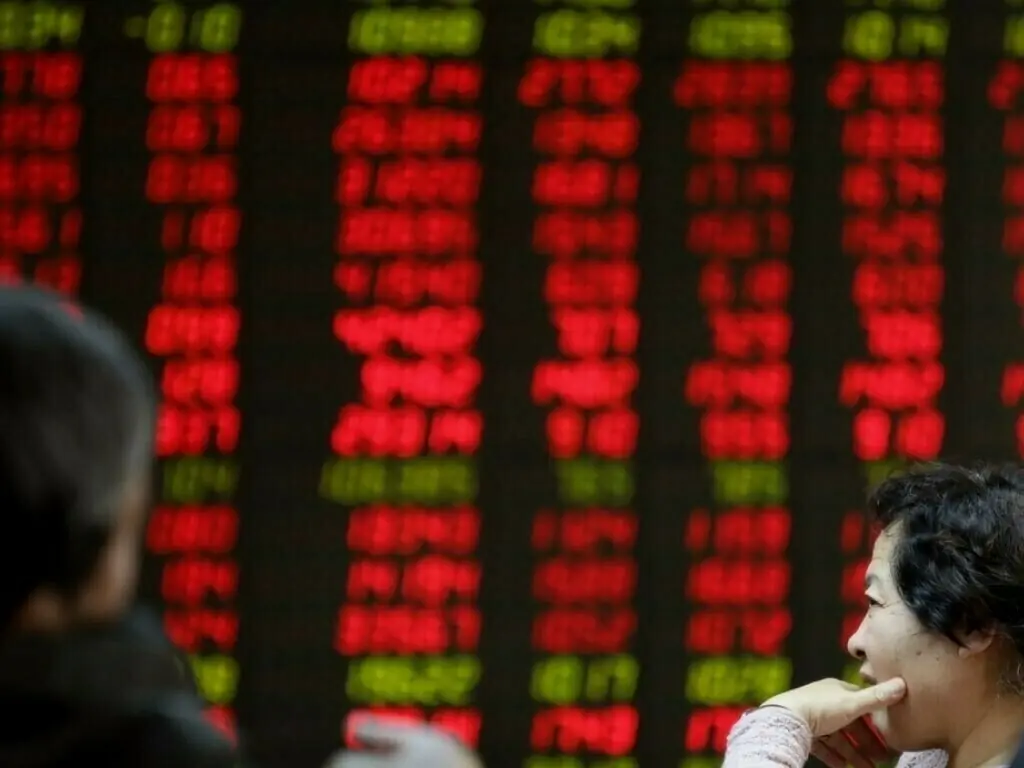

BENGALURU: Indexes tracking emerging market stocks and currencies inched up in holiday-thinned trade on Friday with attention on the Iran war and the prospect of more intervention to support the Japanese yen.
MSCI’s gauge tracking global EM currencies was up 0.2 percent, set for its biggest monthly gain since November 2023 in April.
The stocks equivalent was also up 0.2 percent, on track for its sharpest monthly advance since May 2009 last month. Both indexes were set for marginal weekly gains as uncertainty over the Iran conflict largely offset any optimism around corporate earnings.
On Friday, the Japanese yen suddenly jumped against the dollar, a day after official buying lifted the fragile currency.
“The bigger issue is whether intervention can do more than briefly stabilise markets. Japan faces structural pressures: it is a major energy importer amid elevated oil prices, and its central bank is cautiously pursuing policy normalisation after years of ultra-loose settings,” Elwin de Groot, head of macro strategy at Rabobank, said.
“Authorities can resist market forces for a time, but they cannot fundamentally change them.”
The dollar index, which measures the greenback against a basket of currencies, dipped 0.1 percent.
South Africa’s rand weakened 0.3 percent, partly due to a 1 percent fall in gold prices, while most currencies in emerging Europe slipped against the euro.
Romania’s leu fell to a record low versus the euro on Thursday due to worries about the future of Ilie Bolojan’s minority government which faces a no confidence vote in early May.
Trading volumes were thin on Friday as Poland, Hungary, Romania, Turkey, South Africa and many developed European markets were shut for public holidays.
Meanwhile, progress in the Middle East conflict was stalled as concerns of renewed military escalation between the US and Iran led investors to price in continued disruption to shipping through the crucial Strait of Hormuz.
Since its outset, the conflict has battered global markets and clouded prospects of global economic growth as countries scrambled to tackle the impact of energy-driven inflation pressures.
This week, the US Federal Reserve’s board was the most divided since 1992, as some policymakers thought an “easing bias” in the policy statement was not appropriate amid the conflict.
European Central Bank President Christine Lagarde said on Thursday the option of an interest rate hike was already on the table, while the Bank of England said the worst economic impacts could entail “forceful” rate rises.
More economic data and interest rate decisions next week will provide further clarity on the war’s impact on emerging economies.





















Comments