


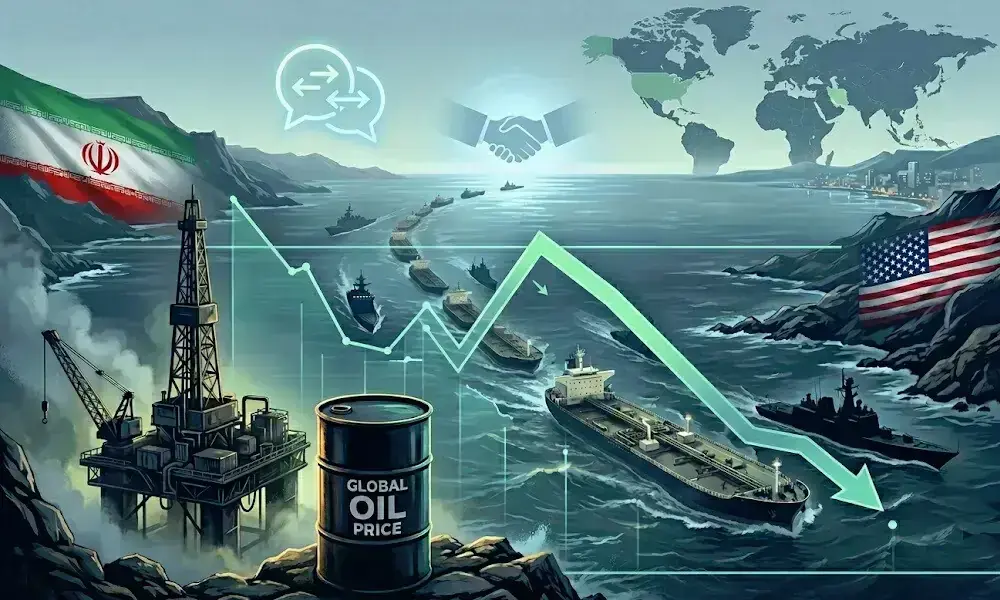
EDITORIAL: The unfolding crisis surrounding US President Donald Trump’s confrontation with Iran is fast becoming a stark reminder of how geopolitical brinkmanship can spiral into global economic and humanitarian distress. What began as a show of naked power – coordinated with Israel – is now evolving into a costly miscalculation with consequences far beyond the battlefield.
Far from securing a decisive or even face-saving outcome, Washington finds itself entangled in a conflict where strategic leverage is slipping, and domestic as well as international pressures are mounting.
At the heart of the crisis lies the Strait of Hormuz, a narrow but vital artery through which roughly one-fifth of the world’s oil supply flows. Iran’s effective control over this chokepoint has transformed the conflict into a global economic shock. Energy markets have reacted sharply, and ordinary consumers, even in the United States, are already feeling the strain through rising fuel prices. This comes at a politically sensitive moment, with congressional elections looming and dissent growing even within Trump’s traditional support base.
Rather than de-escalate, his decision to impose a naval blockade has further complicated matters. Intended as a pressure tactic to force Iran into making concessions during talks hosted by Pakistan, the move has hardened Iran’s stance. Officials in Tehran have made it clear that negotiations cannot proceed under coercion, making the blockade not only ineffective but potentially counterproductive. It reflects a broader pattern in which optics and displays of strength are prioritised over pragmatic diplomacy.
The repercussions, however, extend far beyond political calculations in Washington. According to United Nations Development Programme chief Alexander De Croo, the war’s economic fallout could push more than 30 million people back into poverty. Disruptions in fuel and fertiliser supplies – both heavily dependent on Middle Eastern production and transit routes – are already undermining agricultural productivity. As farmers struggle with shortages during critical planting periods, the world is likely to face reduced crop yields and escalating food insecurity in the months ahead.
Warnings from other global institutions such as the World Bank, International Monetary Fund, and the World Food Programme also underscore the gravity of the situation. Rising food prices, energy shortages, and declining remittances are converging into a perfect storm that will disproportionately affect the world’s most vulnerable populations. These impacts are not easily reversible; even an immediate cessation of hostilities would not undo the damage already inflicted on global supply chains and livelihoods.
What makes this crisis particularly troubling is the perception that it is driven less by necessity and more by President Trump’s personal political calculus. His leadership style overly concerned with projecting strength while neglecting long-term consequences, risks turning a regional conflict into a global humanitarian disaster. The world can ill afford such misadventures at a time when economic fragility and food insecurity are already pressing concerns.
Copyright Business Recorder, 2026




















Comments