


Limits of Pakistan’s diplomacy efforts exposed as peace talks stall: report
- Trump says Tehran 'offered a lot' but 'not enough' to warrant new phase of negotiations
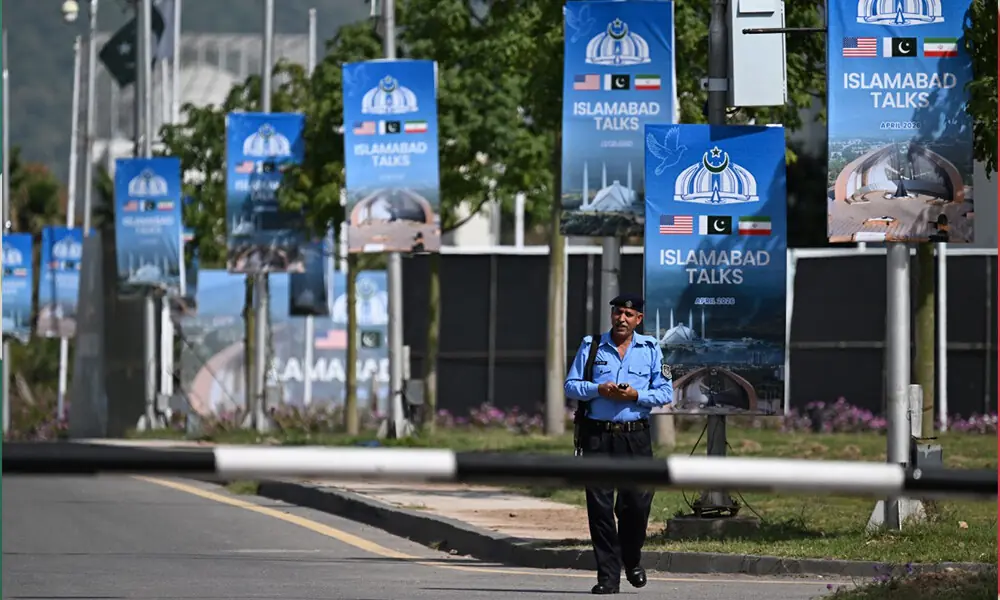

Regardless of Pakistan’s last-minute diplomatic effort, the second round of negotiations between the United States and Iran did not take place this weekend, marking a significant setback for Islamabad’s attempts to broker an end to the two-month-old conflict, Bloomberg reported on Monday.
Following days of anticipation, US President Donald Trump on Saturday cancelled a scheduled visit to Islamabad by special envoys Jared Kushner and Steve Witkoff. The president noted that while Tehran had “offered a lot,” the concessions were “not enough” to warrant a new phase of negotiations.
Despite the cancellation, Iranian Foreign Minister Abbas Araghchi made two separate visits to the Pakistani capital over the weekend. According to Axios, a fresh proposal from Iran was conveyed to Washington via Pakistani mediators during these sessions.
The inability to bring both sides back to the negotiating table underscores the inherent challenges facing Pakistan’s high-stakes mediation, spearheaded by Prime Minister Shehbaz Sharif and Chief of Defence Forces Field Marshal Asim Munir.
While a ceasefire established in early April continues to hold, the two nations remain deadlocked over the blockade of the Strait of Hormuz—a crisis that has severely disrupted global supplies of crude oil, fuel, and natural gas. Additionally, Iran continues to resist US demands for a total rollback of its nuclear programme.
Analysts suggest that a swift breakthrough was perhaps overly optimistic. Quincy Institute Deputy Director Adam Weinstein noted that under the Obama administration, nuclear negotiations with Iran spanned 20 months.
He suggested it is unrealistic to expect a comprehensive resolution to the current crisis within such a condensed.
“Pakistan can provide a venue and momentum, but it can’t force either side to compromise.
“Trump’s approach is to shoot first, bring a loaded gun to the negotiating table, and demand surrender. That may have worked briefly in places like Venezuela, but it is unlikely to work with a country like Iran,” he stated.
READ MORE: Iran minister Araghchi returns to Pakistan despite US talks cancellation
The current impasse in negotiations follows weeks of intensive shuttle diplomacy orchestrated by Pakistan. Just a fortnight ago, Islamabad hosted marathon sessions between US Vice President JD Vance and an Iranian delegation; however, those talks concluded without a peace deal. In a subsequent effort to mediate, Field Marshal Munir visited Tehran days later, shortly before President Trump announced a ceasefire between Israel and Lebanon.
Expectations remained high that Pakistan would facilitate a second round of negotiations this past weekend to lay the groundwork for a broader end to the conflict. Yet, leading up to the weekend, prospects dimmed as both sides issued conflicting signals.
“A mediator that could end this conflict on terms Washington deemed acceptable would be viewed globally as a miracle worker,” said Associate Professor of Political Science at the University at Albany Christopher Clary. “A mediator that failed would merely be a normal country. The problem is Pakistan wanted to be viewed as a miracle worker.”
The likelihood of imminent talks faded further on Sunday as Islamabad began dismantling weeks-long security restrictions. Police checkpoints were removed, universities announced a return to in-person classes, and hiking trails on the city’s periphery were reopened to the public.





















Comments