



BENGALURU: Emerging Asian stock markets were mixed in thin holiday trading on Monday as investors digested a wave of conflicting headlines around the war in the Middle East that has clouded inflation and economic outlooks.
The MSCI gauge of EM Asia equities edged higher, largely driven by a gain of more than 1 percent for South Korea’s benchmark KOSPI index.
Investor sentiment continues to be whipsawed by US President Donald Trump’s threats to rain “hell” on Tehran if it does not make a deal and reopen the Strait of Hormuz by a Tuesday deadline, even as an Axios report suggested that discussions on terms of a potential 45-day ceasefire were underway.
“I would think that after Trump’s weekend rhetoric, markets seem reluctant to price much more than cautious hope until there is something concrete,” said Charu Chanana, chief investment strategist at Saxo in Singapore.
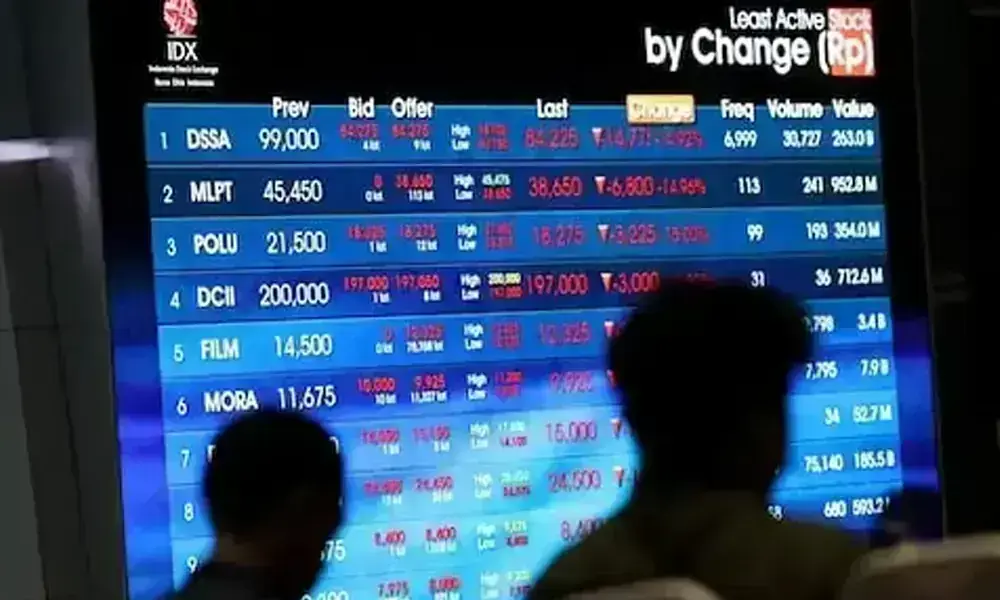
“Investors have seen a lot of headline swings in this conflict and this still looks more like a last-ditch diplomatic effort than a deal. It may cap some of the immediate panic, but it is probably not enough on its own to unwind the broader risk premium.” In Indonesia, the Jakarta Composite Index slipped as much as 1.3 percent to its lowest level in three weeks, while the currency sank to an all-time low of 17,045 per US dollar.
Indonesia was already grappling with investor concerns over its fiscal deficit, central bank autonomy, and a weak currency, before rising oil prices posed fresh problems for the import-dependent country.
While commodity prices may boost revenue, a limited fiscal space raises the risk of spending cuts or fuel price adjustments that could hurt growth, MUFG analysts said in a note.
“While BI’s (Bank Indonesia) proactive FX measures should help contain USD-IDR (pair) upside, a severe external shock, such as a sharp repricing in US yields or a deeper global risk-off episode, could still trigger further rupiah weakness,” they said.
Indonesia’s budget deficit widened to 0.93 percent of gross domestic product in the first quarter of 2026, yet the finance minister insisted subsidised fuel prices can be maintained. With the Iran war now in its sixth week, Asian investors are turning to this week’s inflation numbers to gauge how badly prices have been shaken.




















Comments