


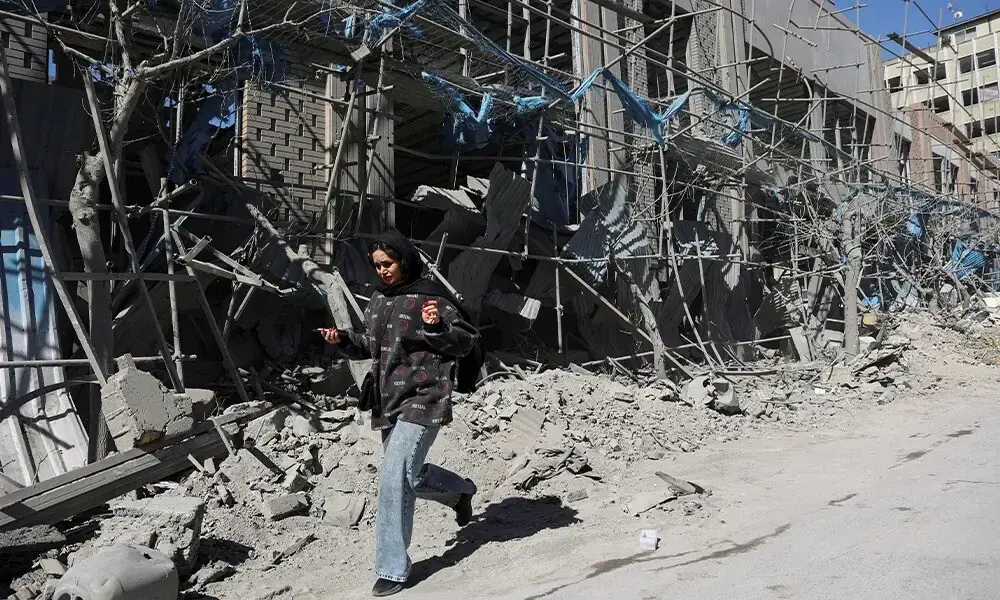
This is apropos a letter to Editor headlined ‘Iran War exposes fault lines in Trump’s team’ carried by the newspaper on Tuesday and yesterday.
This unintended consequence may prove to be one of the most critical strategic miscalculations of the war. By removing seasoned figures capable of measured responses, the conflict risks escalating under leaders driven by urgency, anger, and a desire for retaliation. What was once a controlled confrontation is increasingly becoming volatile and unpredictable. Meanwhile, the human and economic costs continue to mount. Beyond these numbers lies a broader humanitarian crisis: civilians in multiple countries are bearing the consequences of a conflict they neither initiated nor control.
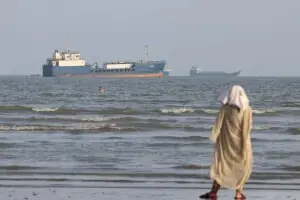
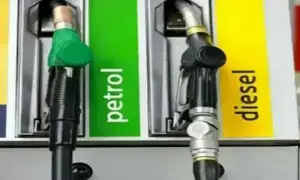
Economically, the impact is being felt worldwide. Oil prices have surged due to disruptions in Gulf production and shipping routes. Insurance costs for tankers have spiked, and global supply chains are under strain. Even in the United States—despite its status as a major energy producer—fuel prices have risen, placing additional pressure on consumers and businesses. Diesel prices, in particular, are affecting transportation costs, which ripple through the entire economy.
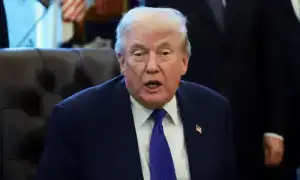
One of the most striking elements of this conflict is the growing perception that the United States entered the war without fully anticipating its broader consequences. President Trump’s own remarks—expressing frustration, surprise at allies’ refusal, and shifting rhetoric—suggest a gap between initial expectations and unfolding reality. The assumption that allies would automatically align, that Iran’s response would be limited, and that control over strategic waterways could be quickly secured has not held true.
Copyright Business Recorder, 2026
The writer is a former Press Secretary to the President, An ex-Press Minister at Embassy of Pakistan to France, a former MD, SRBC Macomb, Detroit, Michigan













Comments
Comments are closed for this article.