



When the US and Israeli forces launched joint strikes on Iran on February 28, 2026, global energy markets were jolted into what quickly became one of the most turbulent periods in recent history. The head of the International Energy Agency called it the “greatest global energy security challenge in history,” as Brent crude jumped 10 to 13 percent to around $80 to $82 per barrel within the first few days of the conflict. But worrying as those initial spikes were, they turned out to be only the opening shock.
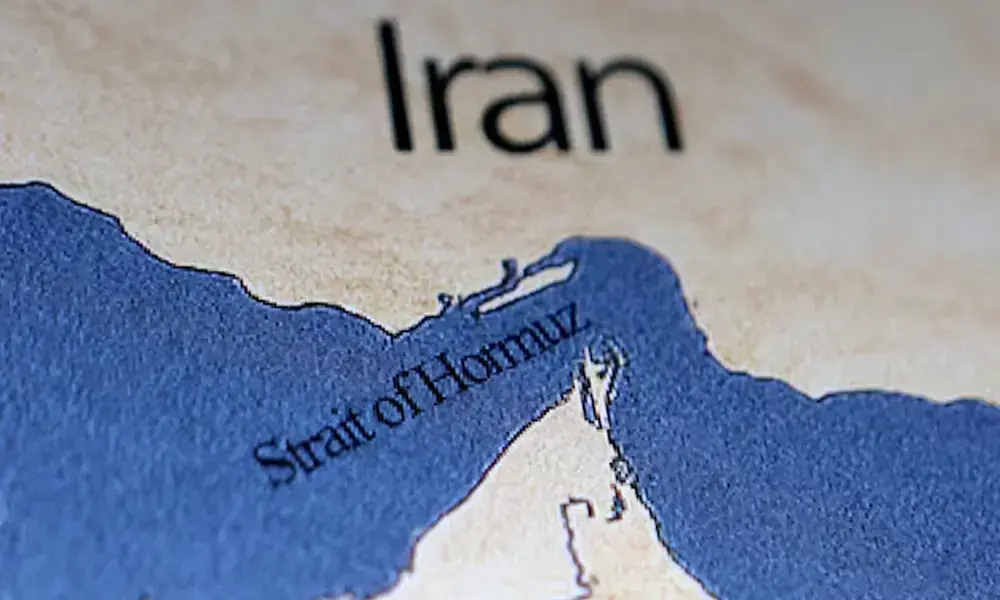
The most important turning point was the closure of the Strait of Hormuz. The IEA assessed this episode as the largest supply disruption in the history of the global oil market, with flows through Hormuz collapsing from around 20 million barrels per day to a trickle, and Gulf production cut by at least 10 million barrels per day.
As the conflict deepened, roughly one-fifth of global crude oil and natural gas supply was disrupted. Tehran targeted ships moving through the Strait of Hormuz and struck energy infrastructure across the region. With the Strait of Hormuz nearly shut, major Gulf producers including Saudi Arabia, the UAE, Iraq, and Kuwait were forced to halt shipments to global refiners.
READ MORE: Front-month Brent oil futures extend gains after record monthly rise in March
The price response since the war began has been extraordinary. Brent crude climbed to nearly $120 per barrel, moving close to its all-time high of $147 reached in July 2008. In March alone, Brent rose about 55 percent, the largest monthly gain since it began trading in 1988. The previous record was a 46 percent rise in September 1990 during the first Gulf War.
Still, the rise has not been smooth. Oil prices have been highly volatile, with sharp swings in both directions. One reason prices have not moved even higher is political messaging from Washington. Markets have eased whenever President Trump suggested the conflict might cool down, a pattern trader often describe as “jawboning.”
Despite temporary stabilisation efforts, analysts warn the worst may still lie ahead. Global oil supply losses could deepen further, potentially becoming one of the largest disruptions on record, especially as strategic reserves are drawn down and alternative supplies begin to run out.
Brent crude settled over $105 per barrel on Friday, up from about $70 before the war began. Economists warn that oil shocks of this scale have often pushed the global economy toward recession. This time, fears of stagflation — higher inflation paired with weaker growth — are becoming central to the global outlook.
Unlike the Russia-Ukraine war, where some of the energy shock could be managed, this conflict has exposed a deeper problem: the world still depends heavily on a few critical oil and gas routes, and when they are disrupted, there are limited alternatives.
So, the oil market is not just reacting to the war itself. It is also reacting to the risk that the global energy system may be changing in a more lasting way.






















Comments