


Rooftop solar adoption saves Pakistan $12bn in LNG imports, says study
- Demand for other fossil fuels has also been reduced by at least 37%
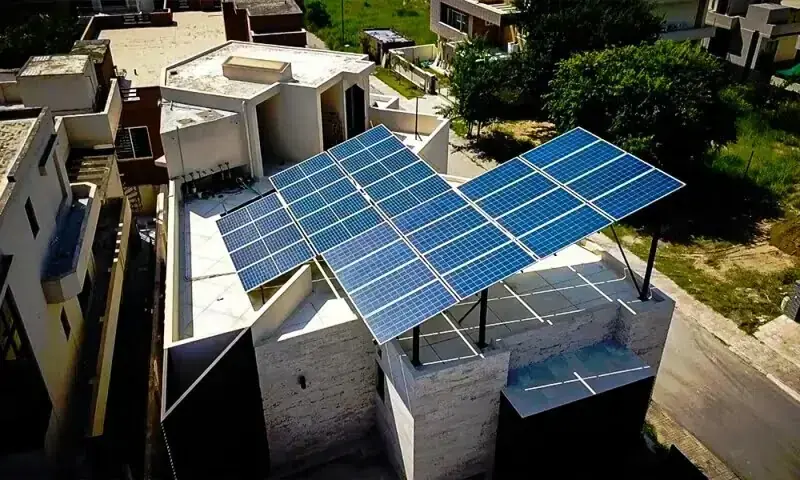

Pakistan’s rapid adoption of solar technology has yielded a major economic dividend, allowing the cash-strapped country to save an estimated $12 billion in liquefied natural gas (LNG) imports in recent years, according to a report by Ember, an energy think tank in the UK.
Solar generation in Pakistan has increased dramatically, rising from 7.7 TWh in 2022 to 36.6 TWh in 2025, equivalent to an average annual growth rate of about 68%, said Ember.
The think tank shared that Pakistan’s solar generation now sits with hydropower and gas, the largest sources of generation in the country.
“As a result, gas generation fell by roughly 9% over the same period, with coal stable,” it said.
Moreover, the demand for other fossil fuels has also been reduced by at least 37%.
From crisis to clean energy: Pakistan emerges as top solar market in 2024
“In reality, it could have fallen further; behind-the-meter diesel generation is not measured, but is likely to have fallen,” it said.
The report noted that had fossil fuels instead met the solar increase, “gas could have risen by 15%, meaning that solar deployment saved an estimated $12 billion in LNG imports”.
Ember shared that Pakistan’s rapid adoption of rooftop solar came against the backdrop of deeper power sector and financial challenges since 2020.
“When IMF-linked reforms pushed electricity tariffs higher, many consumers turned to rooftop solar,” it said.
Meanwhile, net metering regulations and the availability of low-cost Chinese solar panels further accelerated rooftop installations.
“This shift has reduced imported fuel dependence at a time when global gas and oil prices remain volatile.
“However, declining grid demand could also push grid tariffs higher, as fixed system costs are spread across fewer consumers,” it said.
The report urged power sector authorities to maintain a financially healthy grid to sustain further rooftop solar growth, particularly in the absence of battery storage.
Leghari says govt fully supports solarisation only in just manner
Earlier, Pakistan’s power minister Awais Leghari shared that about 55% of electricity generation at present comes from clean sources, which the government aims to raise above 90% by 2034.
“Pakistan has been steadily increasing its reliance on indigenous energy resources, and about 74% of our electricity generation now comes from local sources,” Leghari told Reuters, adding the government aims to raise that above 96% by 2034.



















Comments