


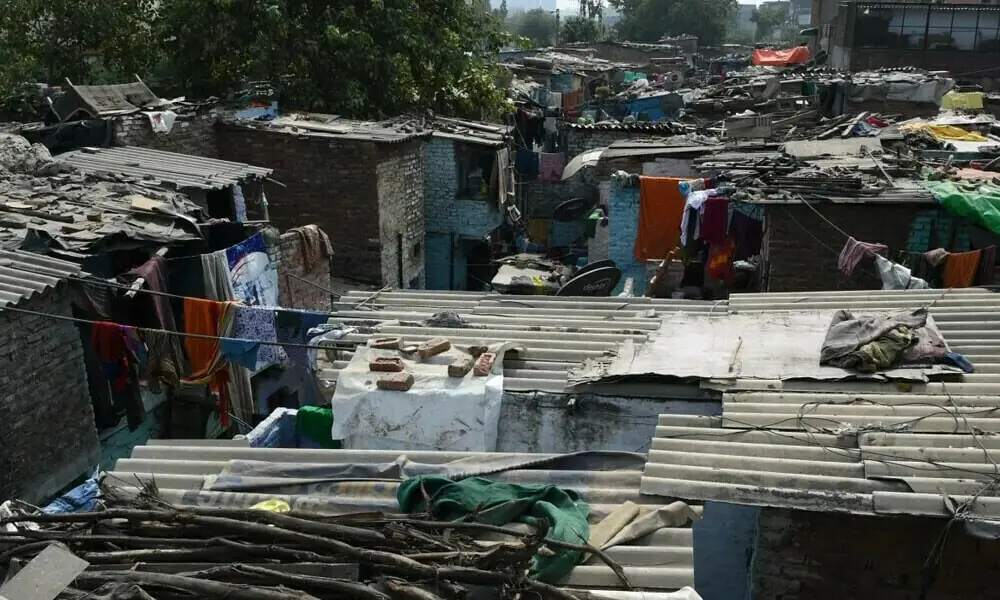

KARACHI: The slum areas of the megacity, Karachi, face acute shortage of water, heaps of uncollected garbage and overflowing gutters as the authorities concerned have turned their blind eye to these hapless localities, said Pasban Democratic Party (PDP) Chairman Altaf Shakoor here Sunday.
He said in the sprawling megacity of Karachi, home to over 20 million people, a stark reality defines daily life: the city works for some—and fails millions. Nowhere is this failure more visible than in its vast slum settlements, where millions live without reliable water, sanitation, or basic municipal services. What should be routine civic provision has turned into a daily struggle for survival.
He said across all slums, Goths and katchi abadis, access to clean drinking water is not just irregular—it is uncertain and, for many, unaffordable. Residents receive piped water once every few days, if at all. In numerous localities, infrastructure exists only on paper, crippled by decades of neglect, leakages, and illegal connections. The result is a cruel paradox: in a coastal city, the poorest go thirsty. He said into this vacuum steps the tanker mafia, operating openly in the absence of meaningful regulation.
Water, a basic human necessity, is commoditized and sold at prices that strain already fragile household budgets. Families are forced to choose between essential needs—food, medicine, or water. For many, the idea of safe, affordable water has become a distant promise rather than a basic right.
He said if thirst defines one part of the crisis, filth defines the other. Garbage collection in these settlements is sporadic at best and nonexistent at worst. Entire streets have turned into open dumping grounds, with waste piling up unchecked for days and weeks. He said this crisis is further complicated by structural issues in waste management. The government had outsourced solid waste management to private contractors with the promise of improved performance. Yet, in large parts of Karachi, that promise remains unfulfilled, with visible gaps in service despite substantial expenditure of public funds. Residents in many low-income areas say garbage collection remains irregular or entirely absent; raising serious concerns about oversight and accountability.
He said the breakdown of waste management feeds directly into a collapsing drainage system. Choked drains and overflowing sewer lines are a routine sight. When it rains even modestly these areas are among the first to flood. Streets turn into stagnant pools of sewage, entering homes and contaminating living spaces.
Copyright Business Recorder, 2026


























Comments
Comments are closed for this article.