


Weekly Cotton Review: Prices surge by Rs1000/maund, likely to soar to Rs20,000
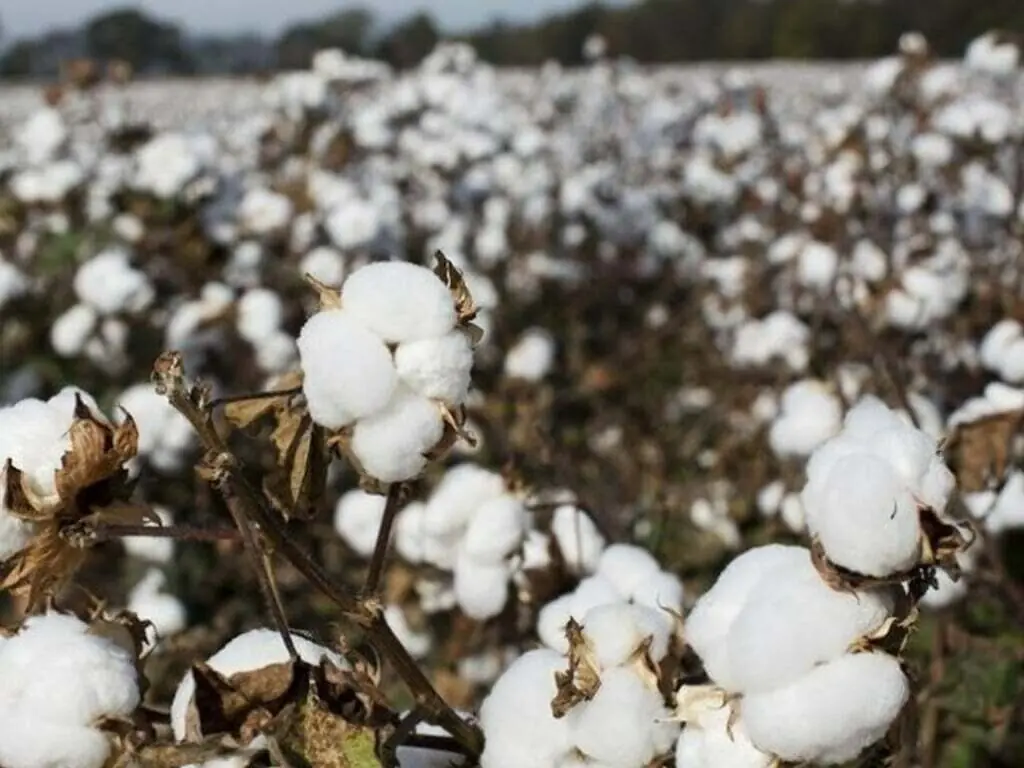

KARACHI: Cotton prices in Pakistan have recorded an increase of one thousand rupees per maund, with ginners expressing expectations that rates may soon reach twenty thousand rupees per maund. Despite the price movement, trading volumes remained limited and market activity has yet to fully recover. Polyester fibre prices have also witnessed a significant rise, adding further pressure on the textile industry’s cost structure.
The ongoing delay in the merger of the Pakistan Central Cotton Committee and the Pakistan Agricultural Research Council continues to cause serious concern within the cotton industry. Stakeholders warn that the prolonged delay is adversely affecting research and development in the cotton sector. The textile industry has also raised alarm over the alleged misuse of the Export Financing Scheme, demanding immediate investigation by relevant authorities. Experts have emphasized that emergency measures must be taken on a war footing to enhance cotton production across the country.
In a significant development concerning the Karachi Cotton Association, affected parties have raised grievances even before the honourable Sindh High Court has issued its ruling. It is alleged that the Evacuee Trust Property Board and the Federal Investigation Agency have issued a notice to the KCA demanding payment of a sixteen billion rupee penalty. Additionally, three hundred and twenty registered brokers have individually been served notices requiring them to pay crores of rupees in relation to their office premises. The honourable Sindh High Court has, for the time being, restrained the FIA from entering the KCA building. The building has remained sealed since the twelfth of December 2025, when the Evacuee Trust Property Board sealed it with the assistance of the FIA, a development that has prevented the critically important Daily Cotton Spot Rate from being published.
On the agricultural front, approximately 3.5 million acres in Punjab are planned to be brought under cotton cultivation during the current season, a development being viewed as a positive step toward reviving and boosting the country’s cotton output.
Trading in the local cotton market resumed after the Eid-ul-Fitr holidays with a sharp rise in cotton prices. The price of quality cotton reached the highest level of the season, ranging between Rs 18,000 and Rs 19,000 per maund depending on quality and payment conditions, while ginners expect prices to surpass Rs. 20,000 per maund in the near term.
The significant price surge has been attributed to a combination of factors, including a shortage of quality cotton in the domestic market, a notable rise in New York cotton prices on international exchanges, and an increase in polyester fibre yarn prices. Cotton yarn demand and prices have also shown a relatively upward trend in recent trading sessions.
Adding to market concerns, the ongoing tensions between Iran, Israel, and the United States are raising fears of potential delays in imported cotton shipments, which could further tighten supply. Market participants have also raised complaints about a prevailing financial liquidity crunch that continues to weigh on trading activity.
On the agricultural front, the early sowing of cotton in the lower regions of Sindh province has been severely affected by recent heavy storm rains. Newly germinated plants suffered considerable damage, and farmers in several areas will be required to undertake re-sowing, casting uncertainty over the early crop outlook for the upcoming season.
In a separate but related development, the All Pakistan Textile Mills Association (APTMA) has expressed grave concern over the alleged widespread misuse of the government’s Export Facilitation Scheme (EFS). The association has warned that the situation is causing substantial revenue losses to the national exchequer and poses a serious threat to the domestic textile industry. APTMA has urged the government to take immediate corrective measures to prevent further damage to both public finances and the industrial sector.
Pakistan’s cotton industry is grappling with a deepening crisis on two fronts — a alarming multi-year decline in cotton production and an ongoing legal and administrative dispute surrounding the Karachi Cotton Association — prompting industry stakeholders to call for urgent government intervention.
Industry experts and stakeholders have stressed that the government must take emergency, war-footing measures to reverse the steep decline in cotton production that has persisted for several years. They warn that unless serious efforts are made to boost cotton cultivation in the upcoming season, Pakistan will continue to rely heavily on cotton imports, draining the country’s precious foreign exchange reserves.
Observers have noted with concern that the government appears to be prioritizing sugarcane over cotton, as sugar mills are being established in several regions that were traditionally known for cotton cultivation. This shift in agricultural priorities, they argue, is further undermining the prospects of reviving cotton output. Stakeholders believe that if the government intensifies its efforts to increase cotton production in the coming season, import dependence can be meaningfully reduced in the years ahead, resulting in significant savings of foreign exchange.
In a separate but equally serious development, affected parties linked to the Karachi Cotton Association (KCA) have raised alarm over what they describe as systematic harassment by federal agencies. Despite a judgment by the Sindh High Court being reserved in the matter, the Evacuee Trust Property Board (ETPB) and the Federal Investigation Agency (FIA) have reportedly served notices on the KCA demanding payment of a penalty amounting to approximately 1,594,317,000 rupees — nearly 16 billion rupees.
Furthermore, notices demanding payments running into crores of rupees have been individually dispatched to 320 registered cotton brokers, requiring them to settle dues against their respective offices. In addition, all directors of the Karachi Cotton Exchange have been directed to submit detailed information regarding their bank accounts, a move that affected parties say amounts to deliberate intimidation by the FIA.
The Sindh High Court has already directed the FIA to vacate and relinquish possession of the Karachi Cotton Exchange building. However, the Evacuee Trust Property Board sealed the FIA’s building on December 12, 2025, and it has remained sealed ever since. As a direct consequence of this prolonged closure, the daily cotton spot rate — a critical benchmark for the entire cotton trade — has been unable to be issued, causing significant disruption to market operations and further deepening uncertainty across Pakistan’s cotton sector.
Cotton prices in the provinces of Sindh and Punjab are currently ranging between Rs 17,500 and Rs 19,000 per maund, varying according to quality and payment conditions. The prices of cottonseed cake and cottonseed oil have remained stable.
Naseem Usman, Chairman of the Karachi Cotton Brokers Forum, stated that bullish sentiment continues to dominate international cotton markets. New York cotton futures are currently trading between 69.50 and 74.26 US cents per pound.
According to the USDA weekly export and sales report, a total of 202,400 bales were sold for the 2025–26 marketing year. Vietnam led all buyers by purchasing 91,400 bales, followed by Pakistan in second place with 24,000 bales, while Turkey ranked third with purchases of 17,400 bales.
For the 2026–27 marketing year, total sales stood at 27,000 bales. Peru topped the list of buyers with 12,800 bales, Honduras came in second with 10,000 bales, and Thailand ranked third with 2,600 bales.
An important meeting regarding wheat and cotton was held in Multan under the chairmanship of Punjab Agriculture Secretary Iftikhar Ali Sahoo. The session brought together agricultural officials to review ongoing crop strategies and outline targets for the upcoming season.
According to the decisions taken in the meeting, cotton will be cultivated on approximately 3.5 million acres across Punjab. The early sowing process for cotton has entered its final stage, and the target for early cotton cultivation is set to be achieved by March 31.
Officials emphasized that the best strategy devised for seasonal cultivation must be adopted and that timely guidance should be provided to farmers regarding the phased care and maintenance of the cotton crop throughout its growth cycle.
A project worth approximately two billion rupees has already been launched to transform Bahawalpur Division into a Cotton Valley. Under this initiative, a subsidy of Rs 120,000 per unit is being provided on chisel ploughs, while financial assistance of Rs 50,000 per farm is being extended to farmers establishing Cotton Model Farms. Additionally, a subsidy of Rs 25,000 per unit is being offered for power sprayers to support mechanized crop management.
On the international front, the outlook for cotton prices remains promising, with strong indications of stability and a potential rise in global cotton prices in the near future.
Copyright Business Recorder, 2026




















Comments
Comments are closed for this article.