


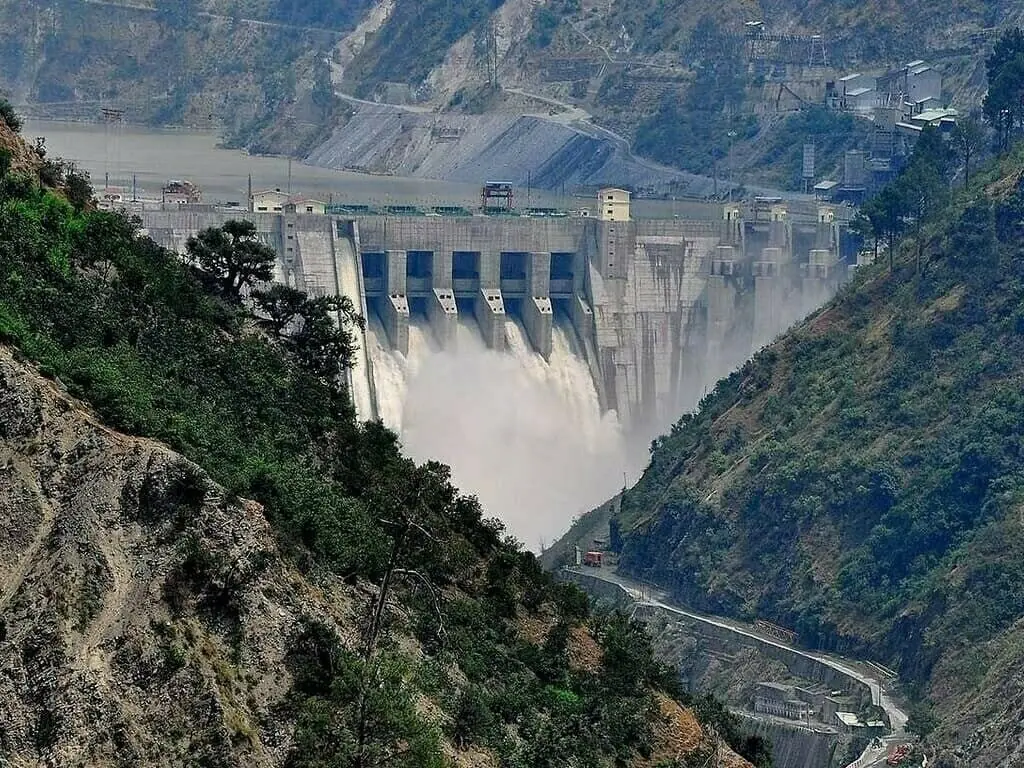

BEIJING: This year’s World Water Day, themed “Water and Gender Equality”, was meant to unite the whole world in upholding water as an inalienable human right. Instead, India’s blatant disregard for international law has turned the UN event into a stage for the India-Pakistan dispute over the Indus Waters Treaty, laying bare the catastrophic risks of India weaponising water for its narrow geopolitical gains.
These views were expressed by Prof Cheng Xizhong, Senior Research Fellow at the Charhar Institute, a non-governmental Chinese think-tank on diplomacy and international studies based in Beijing.
He said that for agrarian Pakistan, water is the lifeblood of its civilization, livelihoods and economy. With agriculture accounting for 25-30 percent of its GDP, nearly half its workforce and 61 percent of women’s employment tied to the sector, India’s unilateral and unjustified suspension of the 1960 pact strikes at the core of Pakistan’s food security, gender equality and national prosperity. Global warnings against the politicization of water serve as a stark reminder of the harm it inflicts on vulnerable communities, and Pakistan’s suffering is compounded by this injustice. Some 6,000 lives have been lost and 40 million people displaced in recent climate-fuelled floods, with India’s reckless geopolitical posturing exacerbating such water insecurity and inflicting the gravest harm on women and children.
India’s hollow justification—linking the treaty’s suspension to baseless cross-border terrorism claims—is a transparent ploy to shirk its legal and moral obligations. The 2024 Court of Arbitration ruling has reaffirmed the treaty’s full validity, with no clause allowing unilateral abeyance. India’s act is a flagrant violation of international law and a sabotage of decades of hard-won water cooperation in South Asia, he added.
Prof Cheng remarked that this crisis underscores that water, a universal human right, must never be held hostage to India’s political vendettas. For Pakistan, water governance is an existential imperative, reflected in its Green Revolution and NDC III commitments to gender-inclusive climate action, including 50 percent female participation rate in water-related ventures. For the world, India’s lawlessness is a defining test: unchallenged water weaponisation will unravel global water security, endangering millions in water-stressed regions across the globe.
World Water Day’s message of justice and gender equality rings hollow as India brazenly flouts cross-border water treaties. India must immediately revoke the unlawful suspension, abandon its tactics of water weaponisation and return unconditionally to the negotiating table, abiding by international law. Until then, water-driven tension looms over South Asia, threatening the survival of millions of Pakistanis who depend on this life-sustaining resource, he concluded.




















Comments
Comments are closed for this article.