


Iran war spotlights India rupee’s vulnerability, banks pitch cross-currency trades
- India is among the economies most sensitive to rising oil prices. Brent crude is up nearly 40% since the conflict in the Middle East began
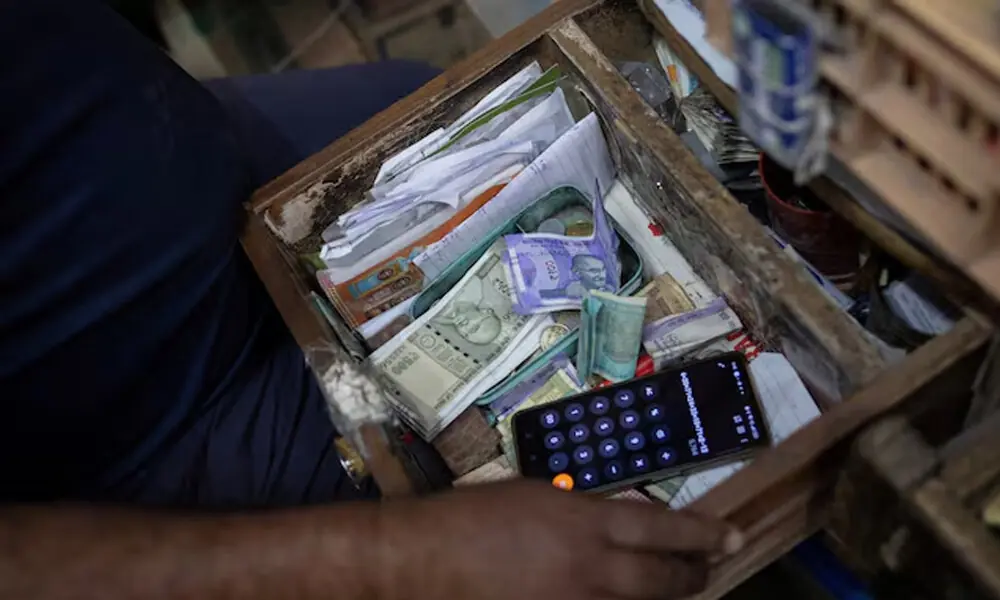

MUMBAI: Dark clouds over the rupee’s outlook are prompting banks to pitch cross-currency trades targeting its underperformance against certain Asian peers, highlighting how the Iran war-sparked oil surge may create uneven outcomes.
Barclays Bank is recommending positioning for rupee weakness against the Chinese yuan, while HSBC is backing the Singapore dollar.
India is among the economies most sensitive to rising oil prices. Brent crude is up nearly 40% since the conflict in the Middle East began, threatening India’s external balances and weighing on its inflation-growth balance.
The rupee is down about 1.5% since the war began, hitting a record low of 92.4750 versus the U.S. dollar last week. In that time, the yuan has slipped 0.2% and the Singapore dollar dipped 0.8%.
“The escalation in the Middle East will likely exacerbate the divergent external picture for India and China, with the former facing relatively more pain,” Mitul Kotecha, head of Barclays’ FX & EM macro strategy Asia, said in a note.
Barclays pointed to China’s resilient exports and large buffers against the oil shock.
China is estimated to have strategic and commercial crude reserves of around 1.2 billion barrels. Barclays’ economists expect it to log a record trade surplus above $1.3 trillion this year.
The yuan has rallied nearly 15% against the rupee since May 2025, and Kotecha believes there is further room to run, recommending a long yuan/rupee position via a six-month non-deliverable forward.
Also read: Indian rupee counts on RBI backstop before Fed decision; oil looms large over outlook
HSBC, meanwhile, expects the Singapore dollar to remain well-supported regardless of how the conflict evolves.
The firm sees heightened chances of the Singaporean central bank steepening the SGD nominal effective exchange rate policy slope in April to manage imported inflation, supporting the currency.
The bank noted that the rupee was already under pressure from a large non-oil trade deficit, sluggish IT exports, and weak portfolio flows.
Treading cautiously
Macro-focused hedge funds, meanwhile, have trimmed exposures as volatility rises, three traders at such funds said, requesting anonymity as they aren’t allowed to speak to the media.
Two among them explained that while relative value trades between energy winners and losers make intuitive sense, most participants are focused on avoiding excessive risk, which would mean positions on such trades are likely to remain contained in the near-term.




















Comments
Comments are closed for this article.