



LAHORE: The Agriculture Republic, a think tank working to reflect on issues faced by the agricultural economy and propose remedies, appreciated the Punjab’s cotton cultivation campaign as a positive step and called that it must be complemented by the decisive federal action.
“It is imperative that the government urgently complete the PCCC-PARC merger, restore institutional clarity, and strengthen research and development systems. Simultaneously, policy reforms should prioritize local cotton through tax rationalization and targeted incentives to encourage increased production,” said Co-founder of the platform Aamer Hayat Bhandara while talking to Business Recorder on Tuesday.
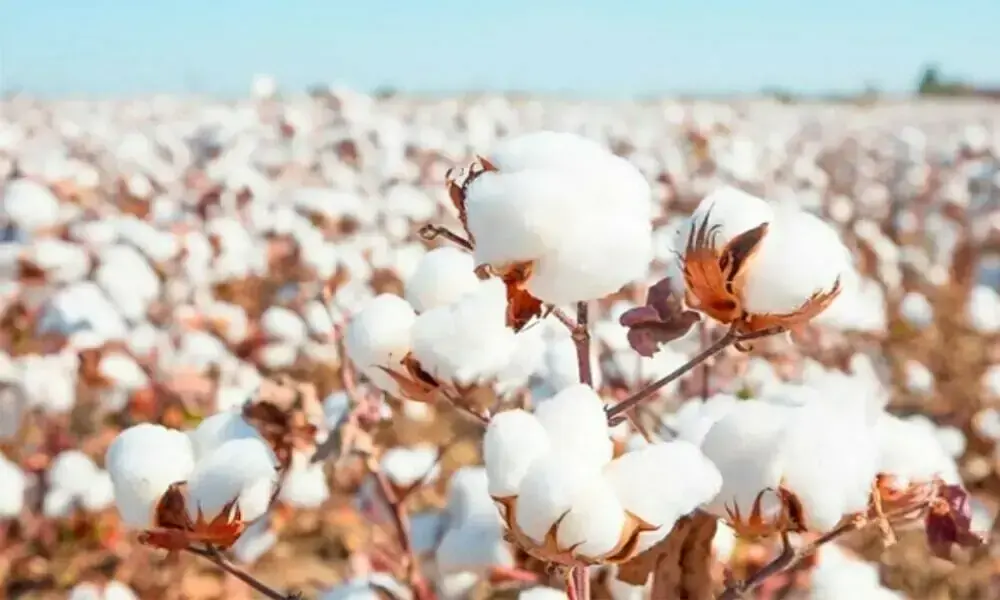
Cotton has always held a central place in Pakistan’s agricultural economy and is widely referred to as the “White Gold” of the country. It is not only a major cash crop but also the backbone of the textile industry, contributing billions of dollars to national exports and foreign exchange earnings. In the current global environment, cotton must be viewed not merely as an agricultural commodity but as a strategic asset directly linked to economic stability, industrial continuity, and national resilience.
However, over the past seven to eight years, the cotton sector has faced multiple challenges, including institutional delays, lack of policy continuity, and instability in research and development systems. As a result, cotton production has declined significantly, from approximately 14–15 million bales to only 5–6 million bales, forcing the country to import raw cotton and causing a substantial outflow of foreign exchange, Aamer added.
A major institutional issue remains the pending merger of the Pakistan Central Cotton Committee (PCCC) with the Pakistan Agricultural Research Council (PARC), approved by the Federal Cabinet under the government’s rightsizing policy. Despite the passage of one and a half years, the process remains incomplete.
Notably, the PCCC had already implemented rightsizing before the merger, reducing its workforce to 27%, well beyond the government’s 50% reduction target. Despite this, delays in completing the merger reflect inefficiency in decision-making.
At the policy level, a significant imbalance persists: imported cotton enjoys relative tax relief, while locally produced cotton faces higher taxes and costs. This disparity discourages domestic production and weakens the entire cotton value chain, affecting farmers, ginners, and the broader economy.
Aamer Bhandara further said global supply chain disruptions and evolving geopolitical dynamics have increased the risk of volatility in cotton availability and pricing.
In the event of constrained or expensive imports, Pakistan could face serious raw material shortages. Countries with strong domestic production capacity will be better positioned, making cotton self-reliance not just an economic priority but a strategic necessity.
Pakistan’s textile sector is already under pressure from rising input costs, energy challenges, and intense global competition. Any further decline in local cotton availability will directly impact exports, reduce foreign exchange inflows, and place additional strain on the national economy.
Failure to act decisively at this stage could deepen the cotton crisis, with far-reaching consequences for agriculture, industry, exports, and Pakistan’s broader economic and strategic stability.
The time has come to place cotton at the top of the national agenda and address it through a coordinated, long-term policy framework, Aamer concluded.
Copyright Business Recorder, 2026




















Comments
Comments are closed for this article.