


In-hand cash inflows dropped by nearly 50pc due to air travel disruptions: Bostan
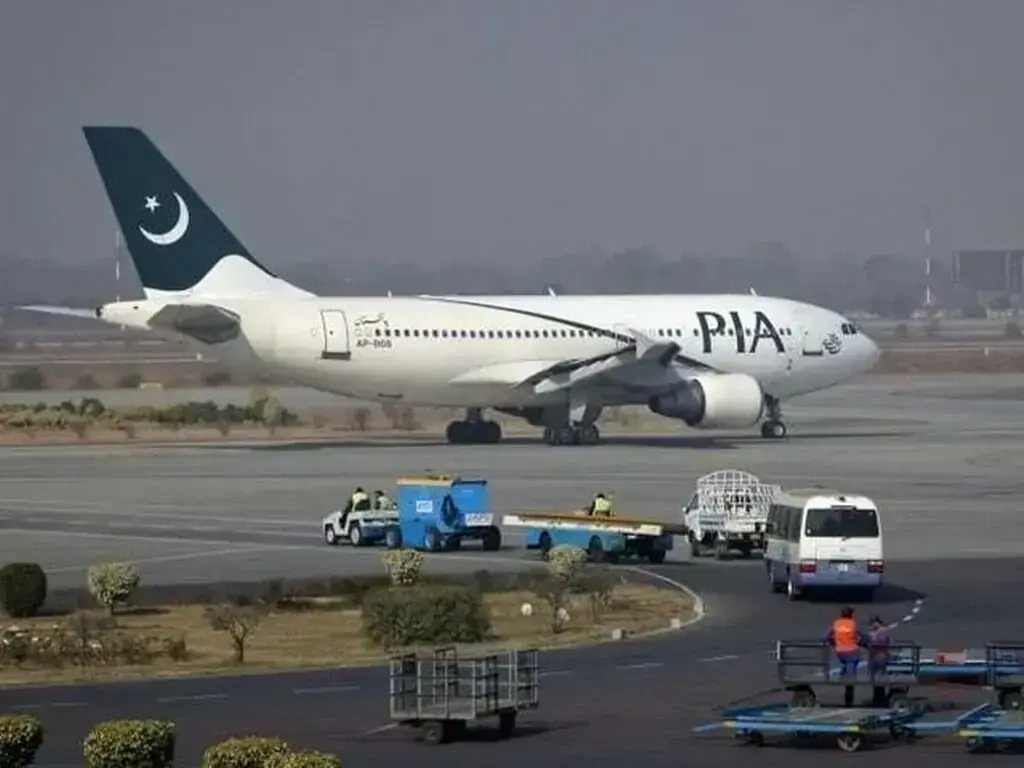

ISLAMABAD: Pakistan’s in-hand cash inflows have dropped by nearly 50 percent due to air travel disruptions linked to ongoing Middle East conflicts, a shift that could temporarily boost formal banking remittances but could hurt overall inflows if the situation persists. This was stated Chairman Pakistan Exchange Companies Association Malik Bostan, while talking to Business Recorder.
Bostan said that during the holy month of Ramazan, Pakistan typically witnesses a surge in cash carried by overseas Pakistanis returning home for Eid. On average, an amount equivalent to USD 15-20 million is brought into the country in hand during the period, as travellers often carry cash as typically exchange companies offer around one percent better rates than banks. However, this year the inflow has sharply declined as many travellers are stranded in Middle Eastern countries due to flight disruptions and a steep rise in air ticket prices.
READ ALSO: CCP market assessment: ‘Civil aviation sector facing mounting economic pressures’
“Cash inflows in hand have fallen by nearly 50 percent to around USD7 million,” he said, adding that the situation has reduced the usual seasonal spike seen during Ramazan. Bostan further noted that on average remittances and in-hand cash inflows generally increase by 15–20 percent every year during Ramazan due to higher transfers from overseas Pakistanis. While the decline in physical cash inflows is evident, he said it could possibly reflect a temporary spike in formal remittances through banking channels, which may push total remittances close to USD4 billion in the current month.
However, he warned that if the conflict in the Middle East is prolonged, it could start affecting employment opportunities for Pakistani workers in the region. “About 60 percent of Pakistan’s remittances come from Middle Eastern countries particularly the United Arab Emirates and Saudi Arabia. If the situation persists and jobs are affected, it will ultimately hit remittance inflows,” he cautioned.
Finance Minister Muhammad Aurangzeb last week informed the Senate Standing Committee on Finance and Revenue that Pakistan is not directly involved in the regional conflict. However, he acknowledged that prolonged instability in the region could impact inflation, external financing, remittances and the current account balance.
According to the State Bank of Pakistan (SBP) remittances stood at USD 26.5 billion, including USD 14.136 billion from Middle East during July-February fiscal year 2026 compared to USD 23.97 billion received during the same period last year.
The country received USD 6.168 billion from Saudi Arabia and USD 5.443 billion from UAE including USD 4.165 billion from Dubai, USD 1.076 billion from Abu Dhabi, USD 84.4 million from Sharjah, USD 117.4 million others. Further the country received USD 2.525 billion from other Gulf countries including USD 839.2 million from Oman, USD 745.4 million from Qatar, USD 579 from Kuwait and USD 361.7 million from Bahrain.
Copyright Business Recorder, 2026


























Comments
Comments are closed for this article.