


Dollar set for steepest weekly gain in a year as Iran crisis boosts haven bid
- The euro was little changed at $1.1612, while the yen tacked on 0.06% to 157.5 per dollar
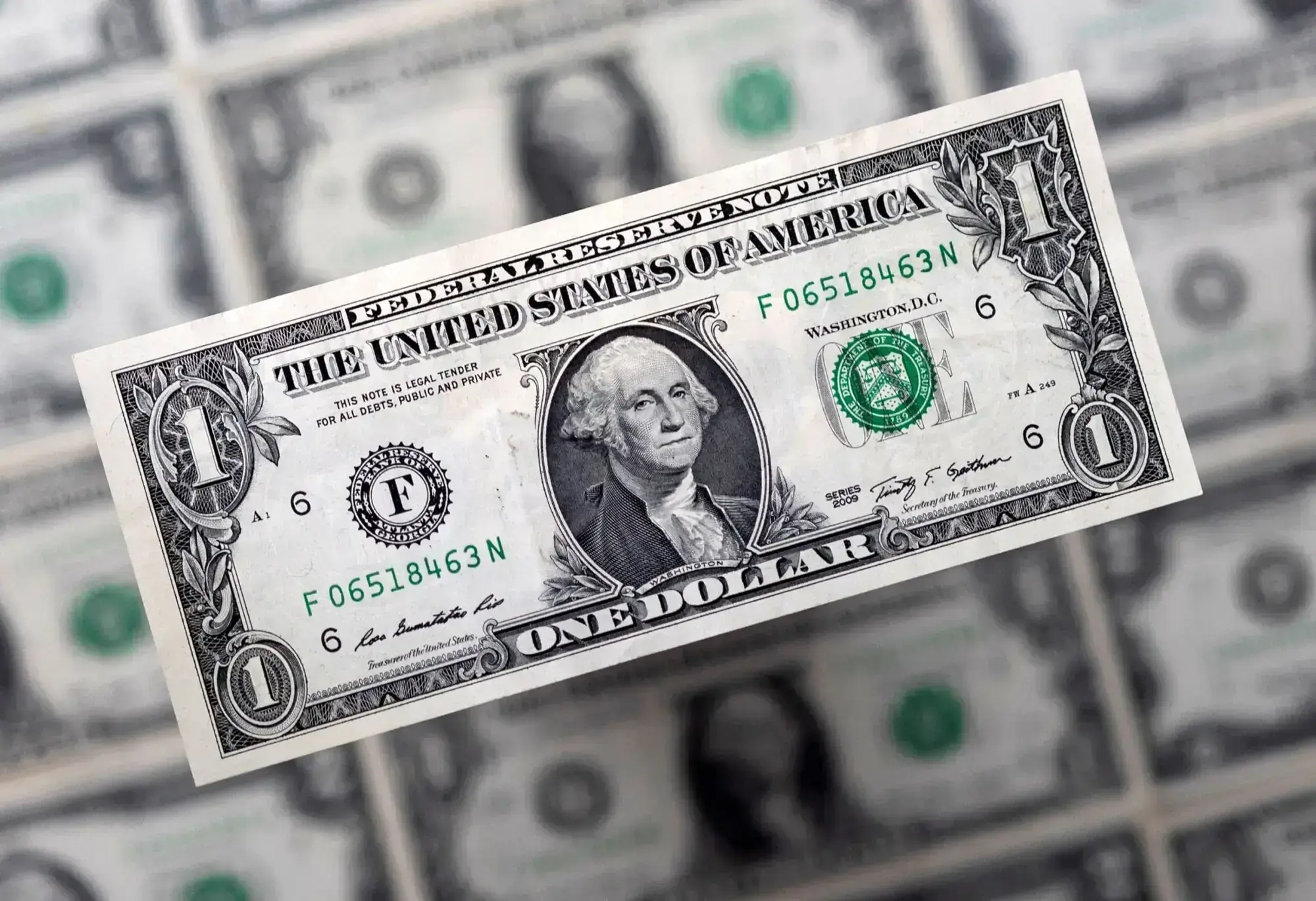

TOKYO: The US dollar held broadly steady in early Asian trade on Friday and was poised for its steepest weekly gain in more than a year as the escalating conflict in the Middle East drove demand for safe-haven assets.
The euro and yen remained on the back foot as the crisis drove oil prices ever higher, spurring inflation risks in economies dependent on energy imports and upending expectations for policy by the Federal Reserve and other central banks.
Earlier hopes of a de-escalation gave way to fresh uncertainty, with Iran warning that Washington would “bitterly regret” the sinking of an Iranian warship.
US President Donald Trump said he wanted to be involved in choosing Iran’s next head of state after US and Israeli air strikes killed Supreme Leader Ali Khamenei in the early moments of the war.
“If the Middle Eastern conflict continues at its current intensity, it’s likely to bring sustained higher inflation, a stronger US dollar, and a vastly reduced chance of Fed rate cuts,” IG market analyst Tony Sycamore wrote in a note.
The dollar index, which measures the greenback against a basket of currencies, was trading a touch lower by 0.06% at 99.00, still on course for a 1.4% gain this week that would be the most since November 2024.
The euro was little changed at $1.1612, while the yen tacked on 0.06% to 157.5 per dollar.
Sterling was almost steady, up just 0.04% at $1.3361.
The war escalated on Thursday, with US and Israeli jets hitting areas across Iran and Gulf cities coming under renewed bombardment.
In a phone interview with Reuters, Trump said Mojtaba Khamenei, a son of the late supreme leader who has been considered a favorite to succeed his father, was an unlikely choice.
The greenback was one of a handful of winners in a volatile few sessions that have dragged stocks, bonds and, at times, even safe-haven precious metals lower.
The spike in energy prices from the Middle East war has stoked fears of a resurgence in inflation, with overnight index swaps (OIS) showing shifts in rate outlooks for major central banks.
Traders have pushed back the time frame for the next easing by the Fed to either September or October, according to LSEG estimates.
Rate-easing expectations from the Bank of England have also been pared back, while money markets increased bets on European Central Bank rate hikes as early as this year.
“The fears of what happened to inflation when the Russia-Ukraine war began and what we saw post-pandemic with supply shocks, that’s still sort of front of mind,” Skye Masters, head of markets research at National Australia Bank, said on a podcast.
“You see that repricing in OIS curves, and you are seeing some meaningful repricing in bond markets as well.”
With the war in focus, currency investors shrugged off Thursday’s economic data.
The number of Americans filing new applications for unemployment benefits was unchanged last week, while layoffs dropped sharply in February, consistent with stable labor market conditions.
The market is now focused on Friday’s employment report. Nonfarm payrolls likely increased by 59,000 jobs last month after accelerating by 130,000 in January, a Reuters survey of economists predicted.
The unemployment rate is expected to have held steady at 4.3%.
TD Securities head of FX strategy Jayati Bharadwaj said she sees room for short-term adjustment in long dollar positioning given the current risk-off tone.
But she expects the Iran conflict to remain contained, especially in a US midterm election year.
“(The) US dollar upside should persist only while risk premia remain elevated in crude oil, potentially echoing the price action seen in June 2025 until a regime shift happens in Iran with US backing,” Bharadwaj said in a note.
The Australian dollar strengthened 0.16% versus the greenback to $0.7017.
The kiwi rose 0.15% to $0.5903.
In cryptocurrencies, bitcoin fell 0.26% to $70,956.52, and ether declined 0.27% to $2,074.84.





















Comments
Comments are closed for this article.