


Govt may introduce separate HS code for used footwear in upcoming budget
- Industry representatives noted that Pakistan possesses substantial manufacturing capacity and skilled labour
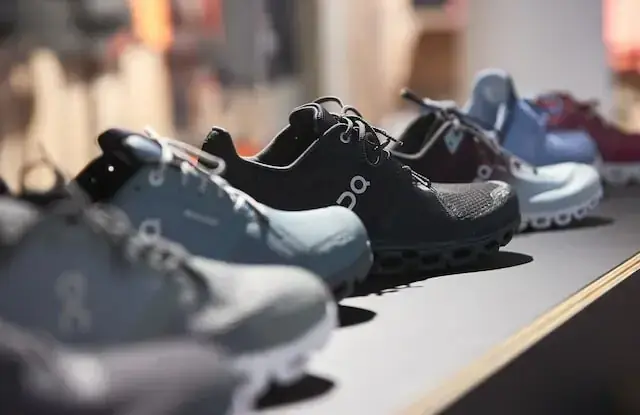

The government is considering introducing a separate Harmonised System (HS) code for used footwear imports, a proposal that may be incorporated into the upcoming federal budget, as industry stakeholders raise concerns over market distortions affecting local manufacturers.
The development came during a meeting between a delegation representing Pakistan’s leather and footwear industry and Federal Minister for Commerce Jam Kamal Khan, read a statement on Thursday.
During the meeting, the delegation highlighted the strong potential of Pakistan’s footwear industry to expand exports and contribute more significantly to the country’s export basket.
Industry representatives noted that Pakistan possesses substantial manufacturing capacity and skilled labour, which can support increased production for both domestic consumption and international markets.
The delegation emphasised that Pakistan’s annual footwear consumption is estimated at around 550 million pairs, while the country has an installed production capacity of nearly 700 million pairs annually, indicating significant potential for both domestic supply and export expansion. However, they noted that a considerable portion of this capacity remains underutilised due to market distortions created by the growing influx of used footwear imports.
Industry representatives informed Jam Kamal that approximately 30–40% of the domestic market is currently being met through imports of used footwear. Many of these imports, they explained, include branded shoes entering the market at extremely low declared values under the category of used clothing, which creates unfair competition for local manufacturers.
In this context, the delegation proposed the introduction of a separate HS code for used footwear, which is currently classified under the broader category of used clothing and accessories.
The delegation explained that the existing classification makes it difficult for regulators to properly track footwear imports, assess accurate valuation, and implement sector-specific regulatory measures.
During the discussion, the Joint Secretary (Tariff) of the Ministry of Commerce apprised the minister that the proposal to create a separate HS code for used footwear has been placed on the agenda of the upcoming meeting of the Tariff Policy Board.
It was further shared that, following consultations and approvals, the proposal may ultimately become part of the upcoming federal budget.
Meanwhile, responding to the delegation’s concerns, Jam Kamal acknowledged the importance of the leather and footwear sector as a high-potential export industry and reiterated the government’s commitment to supporting local manufacturing while promoting export-led growth.
The minister encouraged industry stakeholders to enhance export performance and strengthen Pakistan’s presence in international footwear markets, while also emphasising the need for locally produced footwear to remain reasonably priced and accessible in the domestic market.
The meeting also discussed broader measures to improve customs valuation practices, address regulatory challenges associated with used imports, and encourage investment in export-oriented footwear manufacturing.

















Comments