


China’s yuan slips on escalating Middle East tensions, rising corporate dollar demand
- The onshore yuan eased to a trough of 6.9630 per dollar at one point
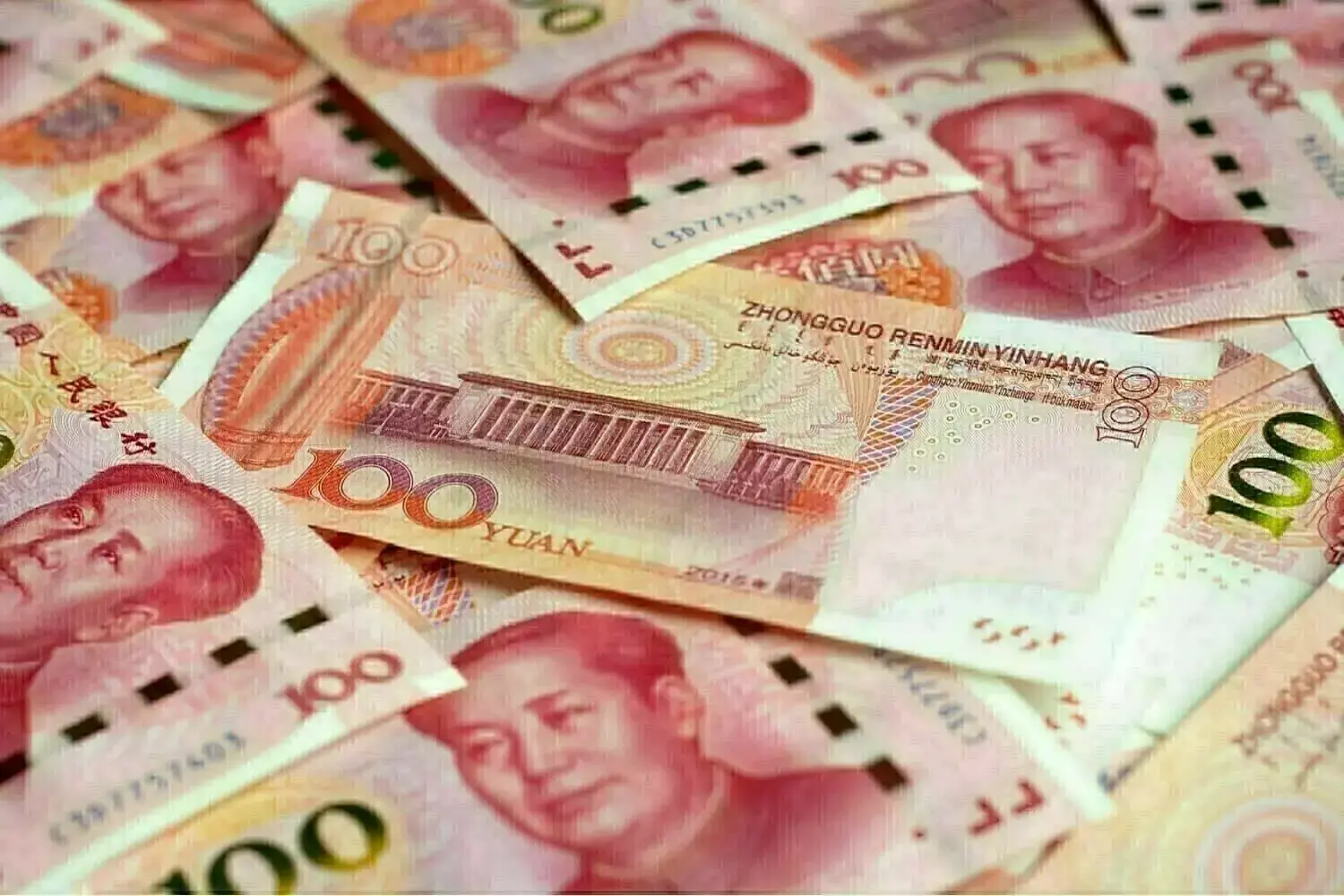
SHANGHAI: China’s yuan slipped against the dollar on Monday, extending losses from the previous session, as escalating Middle East tensions dented risk appetite and lifted the greenback in global markets.
Oil prices surged, the dollar gained, and US Treasury yields fell after the US and Israel launched major strikes on Iran over the weekend, killing its Supreme Leader Ayatollah Ali Khamenei, escalating geopolitical tensions and deepening global economic uncertainty.
Meanwhile, corporate demand for the US currency also picked up after the central bank’s decision last week to encourage dollar buying in the derivatives market, currency traders said.
The onshore yuan eased to a trough of 6.9630 per dollar at one point, the softest level since January 23, before changing hands at 6.8700 as of 0335 GMT.
Its offshore counterpart followed the weakening trend to trade about 0.07% weaker in Asian trade at 6.8688 per dollar.
Prior to market opening, the People’s Bank of China (PBOC) set the midpoint rate at 6.9236 per dollar, 543 pips weaker than a Reuters’ estimate of 6.8693. The spot yuan is allowed to trade 2% either side of the fixed midpoint each day.
Despite the geopolitical tensions and the latest PBOC policy measure to lower the cost of shorting the Chinese currency, some analysts still expect the recent yuan strength to continue.
“We do not think this will change the overall broad direction of yuan appreciation nor has it changed the PBOC’s acceptance of somewhat more yuan strength,” analysts at Goldman Sachs said in a note, referring to the central bank’s decision to scrap the foreign exchange risk reserves requirements for forwards buying.
“The measure is more around pace management, in our view … A gradual appreciation bias for the yuan – if it is maintained in the wake of the Iran conflict - should also provide an anchor for other EM Asia FX low-yielders ahead.”
The yuan has gained about 6% against the dollar since last April.
While the Iran conflict escalated, some market attention shifted to the upcoming annual meeting of China’s parliament later this week, where major economic targets and the year’s agenda will be mapped out.
“China is likely to set a GDP growth target of 4.5-5.0% at the upcoming National People’s Congress, a modest step down from around 5% in 2025 and broadly aligned with the long-term objective of reaching mid-level developed-economy income by 2035,” economists at Standard Chartered said in a note.
“Boosting consumption and fostering innovation are likely to remain the policy priorities,” they said, adding that they expect the government to pursue reflation mainly through measures such as strengthening labour protection, curbing disorderly competition, and tightening oversight of government subsidies.






















Comments
Comments are closed for this article.