


Farmers protest over US-India trade framework, government defends pact
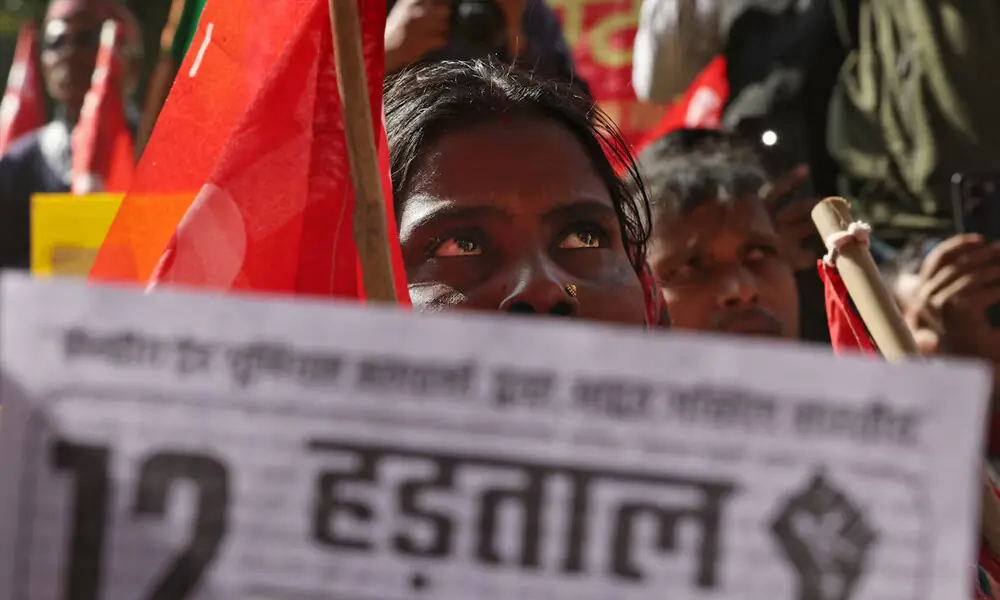

NEW DELHI: Thousands of Indian farmers protested across the country on Thursday, alleging the government had compromised their interests in the US-India interim trade framework, while the trade minister said safeguards were in place.
Farmers burned symbolic copies of the India-US trade pact in their fields and at protest meetings, saying the government moved ahead without consulting them.
Opposition parties led by Congress lawmakers also staged protests outside the parliament complex, holding placards with slogans such as “Trap Deal” and “US deal will destroy farmers”, and accusing the government of “surrendering” farmers’ and domestic industries’ interest.
The agreement has revived memories of protests in 2020-21 which forced the government to back down and repeal three laws aimed at deregulating agricultural markets.
Trade Minister Piyush Goyal said most of India’s farm products were kept out of the trade arrangement with the United States and that farmers’ interests had been protected.
Goyal accused opposition parties of misleading farmers and said key items such as dairy, poultry, rice, wheat and several fruits and vegetables were outside the deal.
Rakesh Tikait, a prominent farm leader, said: “Protests were held in states including Bihar, Haryana, Odisha, Karnataka and Tamil Nadu, where farmers asserted their rights over their land and pledged not to cede their fields to market forces.”
The Samyukt Kisan Morcha (SKM), a coalition of more than 100 farm groups, along with some trade unions affiliated with opposition parties, had called for nationwide protests, saying the deal could allow imports of subsidised US farm products that may depress domestic prices and hurt rural incomes.
The deal would hurt India’s farmers and the poor because of lower tariff barriers, said Purushottam Sharma, another farmer leader protesting in Delhi.
Workers also joined demonstrations in industrial towns against the US deal and the government’s labour policies, said Amarjeet Kaur, general secretary of All India Trade Union Congress, one of the leading trade unions.
Local media reported that economic activity largely remained normal.
Goyal also said Indian textile and apparel exporters could get zero-tariff benefits on using US cotton once the bilateral trade deal is signed.




















Comments
Comments are closed for this article.