


Tanveer warns of USD2bn export risks amid EU-India trade deal
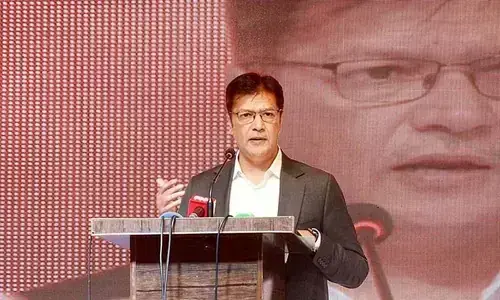

LAHORE: While appreciating urgent government Interventions, S.M. Tanveer, the FPCCI leader and Patron-in-Chief UBG, has warned of USD2 billion export risks amid EU-India trade deal.
As the EU-India trade agreement progresses, Tanveer cautioned that Pakistan risks a potential loss of $2 billion from its current USD9bn–USD10bn annual export revenue to the EU. He emphasized that generic appeals for industrial revival are no longer sufficient; the current landscape demands “precise, targeted interventions.“He said the EU remains Pakistan’s largest export market, accounting for approximately 40% of total exports, dominated primarily by the textile sector. Tanveer highlighted that the impending reduction of tariffs on Indian goods represents a direct and severe shock to Pakistan’s market share.
“The erosion of trade preferences will be gradual but persistent,” Tanveer stated. “Without a competitive tariff advantage relative to India, Pakistan’s exports are increasingly vulnerable. India already exports nearly as much textile and apparel to the EU as we do, even without duty-free access. With a significant overlap in product lines, buyer substitution is inevitable.”
According to his assessment, the shifting trade dynamics present several immediate dangers, including price disadvantage, strategic displacement, and economic consequences.
According to him, as tariffs decrease, Indian exports could become 10% to 12% cheaper than current levels, pricing Pakistani products out of the market.
Also, India is aggressively working to recapture export volumes lost to US tariffs, making the EU their primary growth target. Any further deterioration in Pakistan’s cost structures, quality, or delivery timelines will lead to immediate loss of international orders, increased idle industrial capacity and severe pressure on national employment and foreign exchange reserves.
Tanveer urged the government and stakeholders to move beyond rhetoric and implement a strategic roadmap to protect the nation’s economic interests. He stressed that maintaining a foothold in Europe is not just a matter of trade, but of national economic security.
Copyright Business Recorder, 2026




















Comments
Comments are closed for this article.