


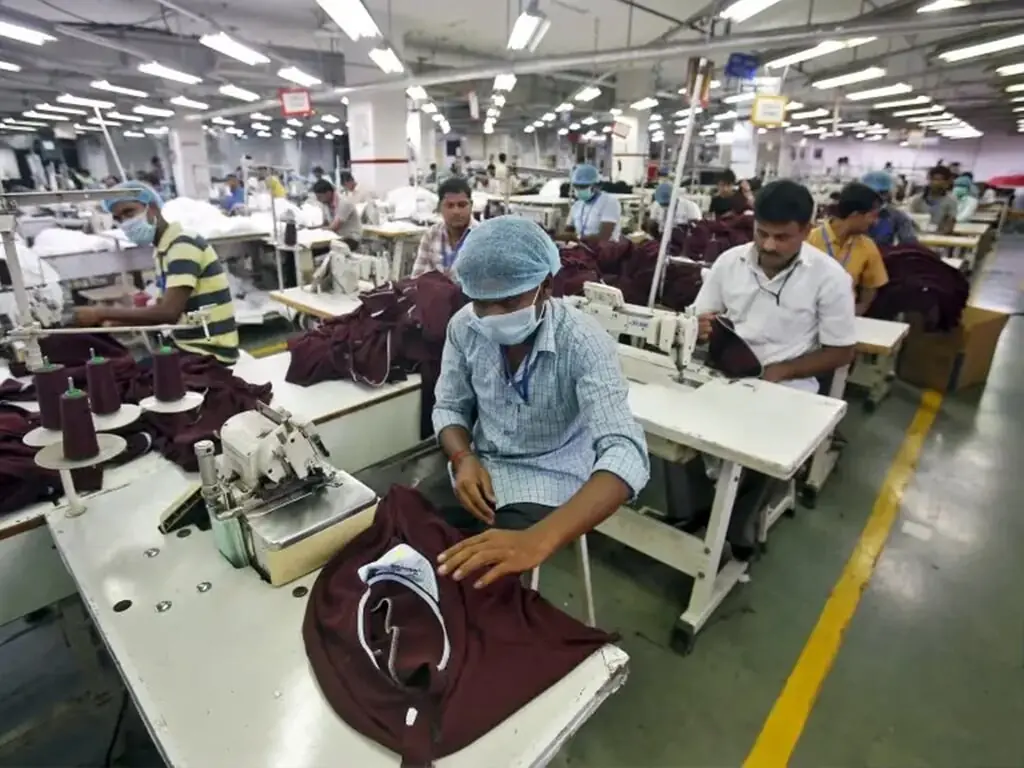

LAHORE: German Ambassador Ina Lepel has expressed Germany’s strong commitment to supporting Pakistan’s apparel industry, stressing the need to deepen Pakistan–Germany collaboration to unlock the sector’s full export potential, as apparel exports have remained largely stagnant for more than a decade.
The Ambassador noted that Pakistan’s export figures have shown little progress over the last ten years, observing that the export volume today is nearly the same as when she last visited the country a decade ago. This stagnation, she said, underscores the urgent need for Pakistan to diversify its export portfolio, move up the value chain and embrace innovation to enhance competitiveness in global markets.
She was speaking at an interactive session with representatives of Pakistan’s value-added apparel export industry, currently valued at around $10 billion. The session focused on expanding bilateral trade, fostering private sector linkages, boosting women’s employment and addressing key challenges faced by the industry.
The session was attended by senior industry leaders including PRGMEA North Zone Chairman M Rizwan Zubair, PHMA North Zone Chairman Abdul Hameed and PRGMEA former Chairman Ijaz Khokhar. Participants highlighted the immense potential of Pakistan’s apparel sector, which plays a vital role in economic growth, employment generation—particularly for women—and export diversification. With more than 500 member firms and strong participation from small and medium enterprises, Pakistan’s garment and hosiery industry remains a major contributor to value-added exports aligned with international market demand.
Ambassador Lepel cautioned industry stakeholders against taking GSP Plus status for granted and urged strict compliance with international standards, particularly the implementation of International Labour Organization conventions. She emphasized that strong adherence to labour rights, human rights and environmental standards is essential to ensure continued access to the European Union market and to enhance the global credibility of Pakistan’s apparel industry.
The Ambassador also stressed the importance of diversifying exports beyond textiles and adopting innovative and sustainable manufacturing practices. She reaffirmed Germany’s support for Pakistan in these areas, especially through technical and vocational training programmes aimed at developing a skilled workforce capable of meeting international standards.
PRGMEA Acting Chairman M Rizwan Zubair, in his address, highlighted the significant contribution of Pakistan’s apparel industry to the national export economy.
He emphasized the role of SMEs in driving innovation and creating employment opportunities, particularly for women in urban and rural areas. He noted that Pakistan’s compliance with international labour standards, including ILO conventions, has played a key role in sustaining the sector’s growth and market access.
Copyright Business Recorder, 2026




















Comments
Comments are closed for this article.