


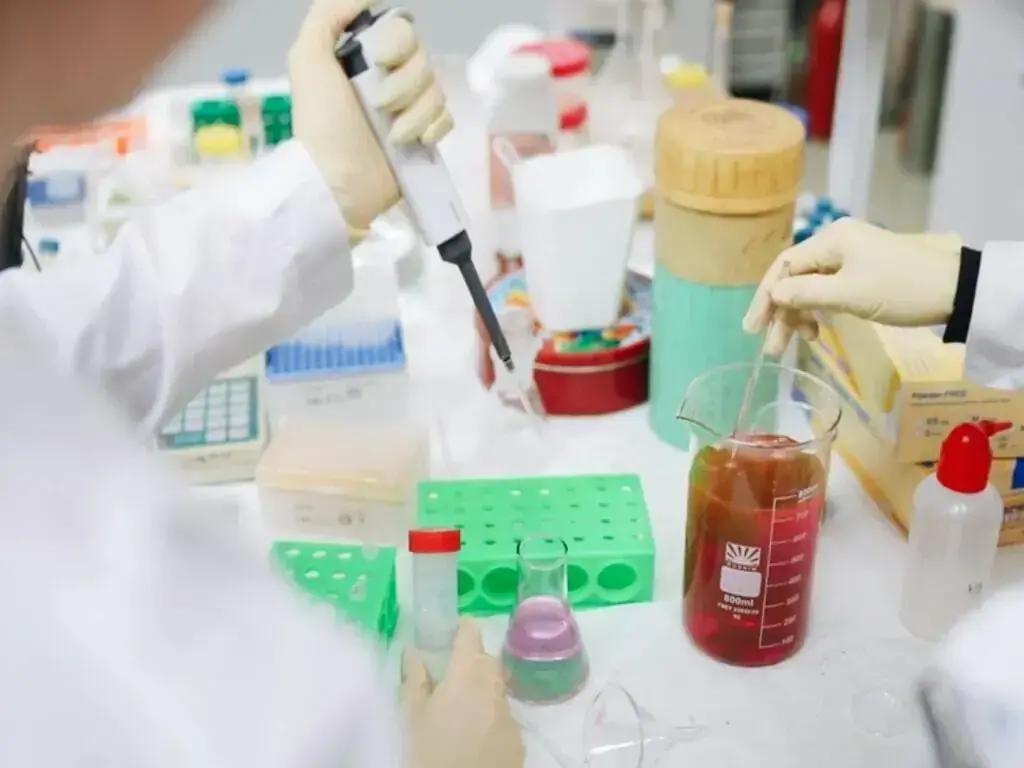
SARGODHA: In a major step towards reviving Punjab’s declining citrus sector, the Citrus Research Institute (CRI), Sargodha is set to operationalise Pakistan’s first state-of-the-art molecular diagnostic laboratory for citrus diseases very soon, officials said.
The facility, being established under the Revival of Citrus Sector in Punjab project, aims to scientifically identify the root causes of citrus decline and guide growers on precise fertilizer and pesticide application, a move expected to improve productivity, fruit quality and export potential.
The Lab is part of Rs 1 billion citrus revival project, with around Rs 30 million invested in physical infrastructure, including plans for a climate-controlled glasshouse to regulate light, humidity and airflow for research purposes.
Principal Scientist CRI Sargodha Akbar Hayat Saggu talking to a group of journalists during visit to the Institute said the lab would be fully computerized and capable of processing around 200 samples per day, including leaf, soil and plant material tests. “This PCR-based diagnostic lab, equipped with real-time PCR and ELISA technologies, will enable accurate detection of citrus diseases and help determine how much immunity can be developed through nutrients or medicines,” he said.
He added that the facility was the first of its kind in the country, with advanced equipment sourced from Japan and Germany, while core diagnostic technologies have been adapted from the United States and Spain.
Saggu also disclosed that another campus of CRI is also being established at Toba Tek Singh, another emerging hub of citrus production, at an area of 100 acres. He also threw light on different programmes being carried out at the institute including farmers training and awareness sessions. He disclosed that 100 agriculture graduates have also been hired as interns to work in different areas with the farmers to promote the citrus production.
According to project documents, a key objective is to address structural weaknesses in the citrus value chain, including poor disease diagnosis, substandard nursery plants and weak orchard management practices, which have collectively reduced yields and export quality over recent years.
Punjab, which accounts for the bulk of Pakistan’s citrus output, has witnessed a 14 percent decline in citrus area between 2018 and 2023, while only 30 percent of last year’s production met export standards, largely due to pests, diseases, climate stress and poor fruit quality. Pakistan currently ranks 16th globally in citrus production but continues to lose competitiveness in high-value export markets.
Officials noted that the project also focuses on developing Pakistan’s first container-grown citrus nursery system, designed to produce disease-free plants and reduce the fruit-bearing time of orchards. Several exotic citrus varieties are also planned to be introduced under the Annual Development Programme (ADP) component of the project
Saggu pointed out that citrus and potato growers are facing acute price volatility, underlining the need for productivity-led revival rather than reliance on market interventions alone.
Experts believe that strengthening diagnostic capacity and nursery regulation could significantly reduce pre- and post-harvest losses, improve compliance with quarantine standards and help Pakistan regain lost ground in citrus exports, provided implementation remains consistent and farmer outreach is strengthened.
Copyright Business Recorder, 2026





















Comments
Comments are closed for this article.