


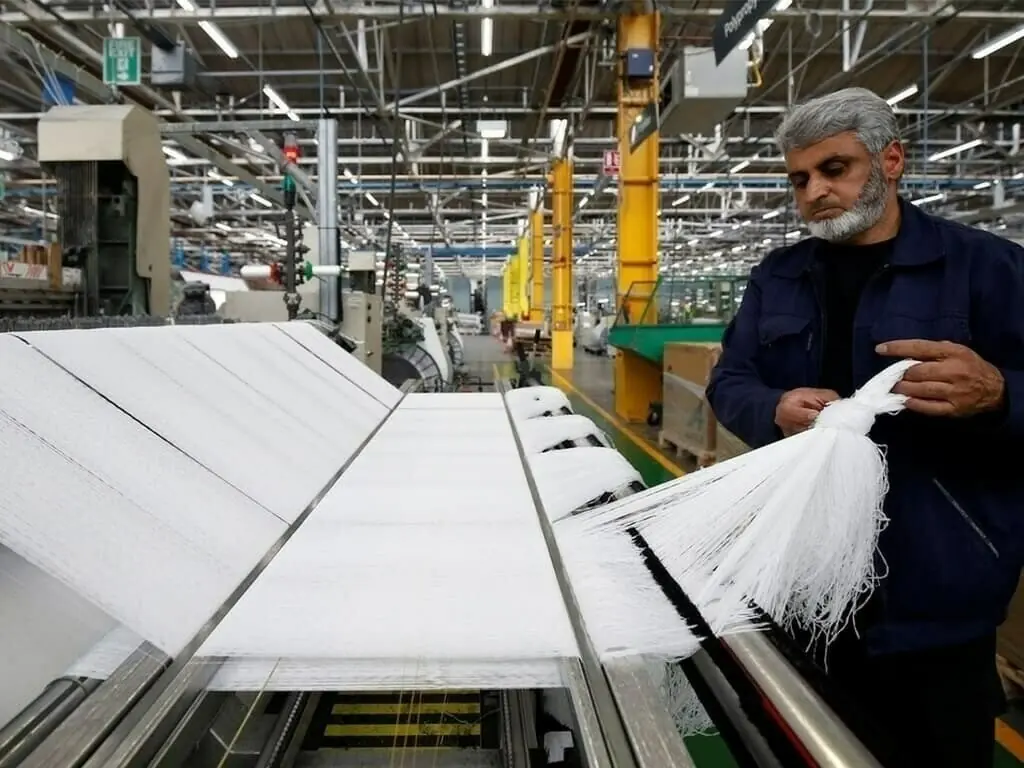

KARACHI: The Pakistan Hosiery Manufacturers & Exporters Association (PHMA) has appealed to Prime Minister Muhammad Shehbaz Sharif to declare an export emergency and convene an urgent consultative meeting to protect Pakistan’s value-added apparel and textile exports, warning that the sector is facing its gravest crisis in recent history.
In a formal appeal addressed to the prime minister, the PHMA said the industry was under severe pressure due to a combination of external trade shocks and internal cost-competitiveness issues. These include the proposed European Union–India Free Trade Agreement (EU–India FTA), additional tariffs imposed by the United States, and record-high domestic manufacturing costs.
The PHMA, established in 1960 and representing more than 1,200 exporters of hosiery and knitwear products, said the value-added apparel and textile sector generates approximately $5–6 billion annually in export earnings and provides large-scale urban employment, predominantly to women. It warned that continued erosion of competitiveness could push the industry into systemic distress.
Highlighting the EU market, the association said Pakistan currently enjoys zero-duty access under the GSP+ scheme, subject to compliance with 27 international conventions. However, it cautioned that once tariff parity is achieved under the proposed EU–India FTA, Pakistan would face a structural disadvantage, as India’s preferential access would not be linked to similar conditionalities.
The PHMA also expressed concern over recent developments in US–India trade relations. It noted that while the United States initially imposed punitive tariffs of up to 50 per cent on Indian exports, these were later reduced to around 18 per cent, significantly improving India’s competitiveness in the US market. In contrast, Pakistani exports historically faced reciprocal tariffs initially around 29 per cent, later moderated to about 19 per cent, raising landed costs in Pakistan’s largest single-country export destination. The association said India’s improved tariff position was enabling it to capture market share at Pakistan’s expense, particularly in textiles and apparel.
Against this backdrop, PHMA called for immediate government intervention to safeguard Pakistan’s USD 18 billion textile export industry. It urged the Ministry of Finance and the Federal Board of Revenue to restore the Export Facilitation Scheme (EFS) to its original 2021 framework, revert exporters from the Normal Tax Regime back to the Fixed Tax Regime, and reduce manufacturing costs through regionally competitive energy tariffs. It also sought immediate notification and implementation of the prime minister’s announced relief measures or, alternatively, a freeze on utility tariffs.
Copyright Business Recorder, 2026




















Comments
Comments are closed for this article.