


SMEs in Pakistan facing ‘unprecedented crisis’, experts warn
- Many units operating below capacity or close to shutdown as production costs no longer be absorbed or passed on to market, an expert says
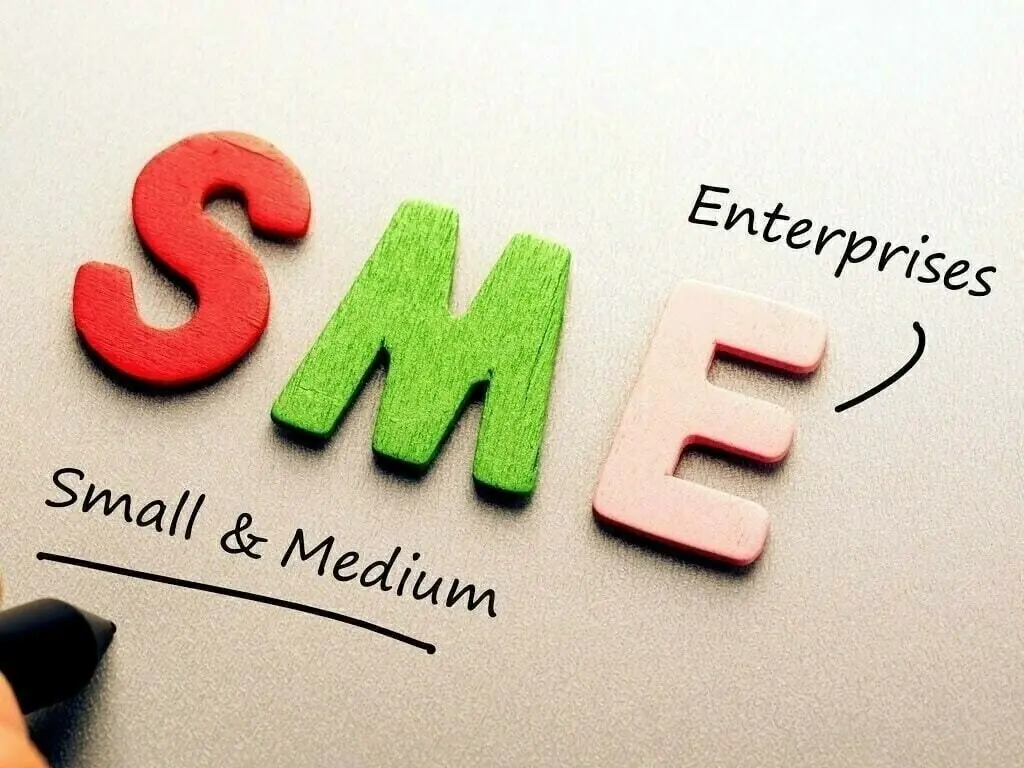

The small and medium enterprises (SMEs) in Pakistan are currently facing an “unprecedented crisis”, with high electricity and utility prices increasing the cost of doing business and making operations “unsustainable” for many SMEs, experts have warned.
“Many units are operating below capacity or are close to shutdown as production costs can no longer be absorbed or passed on to the market,” SME sector expert Syed Raza Hussain said while talking to Business Recorder.
Hussain said SMEs are suffering from a severe liquidity crunch.
“Limited access to affordable financing and working capital has restricted their ability to procure raw materials, upgrade machinery, and maintain operations.
“The State Bank of Pakistan must play a proactive role by introducing dedicated, subsidised SME financing packages with easy terms and long term tenures to support productivity and capacity enhancement,” he said.
Also read: Govt focusing on expanding SMEs’ access to credit
The sector expert was of the view that the current taxation policy has further intensified these challenges.
“Additional tax burdens, including taxation on incremental or notional profits in an already depressed business environment, have increased frustration and demoralisation among SME owners.
“Weak demand, low production, and rising costs combined with heavier taxation are discouraging investment rather than promoting growth.”
According to Hussain, “aggressive and complex” enforcement approach of the Federal Board of Revenue (FBR) has created “uncertainty and pressure” on the industrial and business community, undermining confidence and long term planning.
Meanwhile, Hyderabad Chamber of Small Traders and Small Industry (HCST&SI) former president Muhammad Farooq Shaikhani said Pakistan can promote the SME sector by ensuring easy access to finance, affordable energy, simplified taxation, and technical training.
“Small traders and small industries are the backbone of vehicle manufacturing and supply chains. The Hyderabad Chamber of Small Traders and Small Industry continuously supports its members through advocacy, policy dialogue, and business facilitation to strengthen this sector.
“Every vehicle assembled reflects the contribution of multiple small industries supplying parts and services. Small traders and small industries ensure economic circulation at the grassroots level,” he said.
Also read: No fresh registrations: SMEs forced to run businesses with unregistered title: KTBA
Commenting on sick units, he said many SMEs across Pakistan are currently sick due to high costs, policy instability, and lack of financial support.
“These enterprises can be revived through debt restructuring, interest free loans, tax relief, and capacity building,” Shaikhani maintained.













Comments