


Businessmen laud PM’s new incentives for export industry
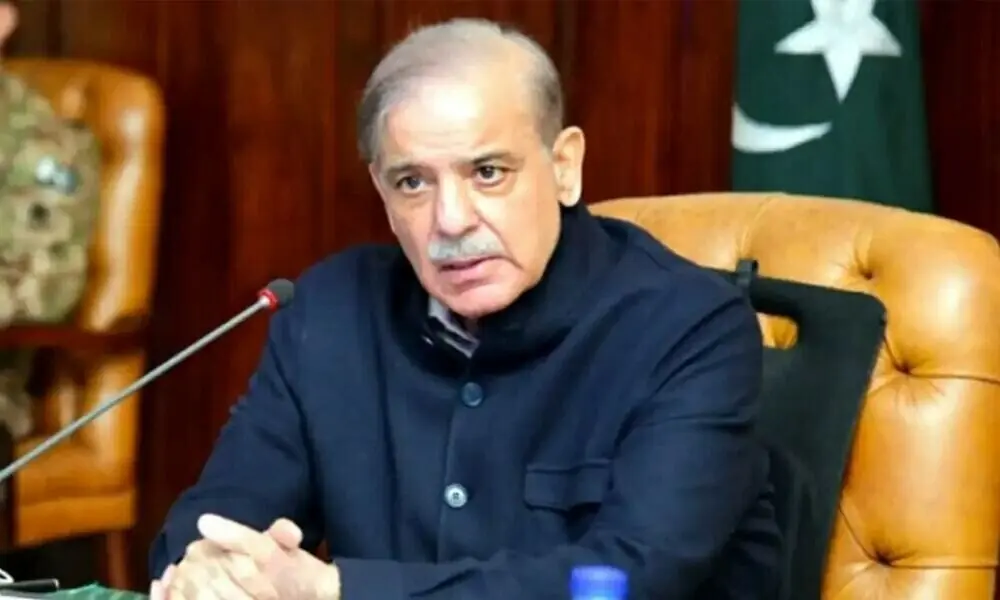

LAHORE: The business community has expressed appreciation for Prime Minister Shehbaz Sharif’s recent announcement of incentives for Pakistan’s export industry, according to former Chairman of the Pakistan Readymade Garments Manufacturers & Exporters Association (PRGMEA) North Zone, Adeeb Iqbal Sheikh, who spoke on Sunday. Industry leaders recognised this initiative as a crucial step toward revitalising the country’s manufacturing sector and enhancing its global competitiveness.
The timely announcement comes at a critical juncture when Pakistan’s export industry faces unprecedented challenges, particularly with India’s impending free trade agreement with the European Union. There are legitimate concerns among Pakistani exporters that international buyers may shift their sourcing to India once the FTA becomes operational, which could potentially devastate Pakistan’s market
share in key sectors including textiles, leather goods, and light engineering products.
While welcoming the prime minister’s commitment to supporting the export sector, industry stakeholders have emphasised the urgent need for comprehensive policy interventions to safeguard Pakistan’s export interests. They have called for the establishment of a dedicated Export Development Fund, which should be prioritised to provide financial cushioning and capacity building for
exporters who are navigating increasingly
competitive international markets.
Most critically, Pakistan must take decisive action to maintain its GSP Plus status with the European Union, which currently provides preferential tariff access to European markets. This trade preference has proven essential for Pakistani exporters to remain competitive in the global marketplace. However, the business community stresses that merely retaining GSP Plus status will be insufficient once India secures its comprehensive FTA with the EU, as Pakistani products would still face a competitive disadvantage.
Adeeb Sheikh stated that to level the playing field, Pakistan’s export industry requires a zero percent GST regime. The current taxation structure places an unnecessary burden on exporters, reducing their profit margins and making them less competitive internationally. According to industry leaders, eliminating GST for export-oriented industries would directly translate into better pricing, enhanced competitiveness, and increased market share in global markets.
He suggested that Pakistan must urgently reform its labour laws by following the Bangladesh model, which has proven highly successful in attracting foreign investment and facilitating rapid export growth. Bangladesh’s flexible yet fair labour framework has been instrumental in transforming the country into a manufacturing powerhouse, particularly in the ready-made garment sector. Industry experts believe that similar reforms in Pakistan would improve the ease of doing business, attract international buyers, and create millions of employment opportunities for Pakistani workers.
Adeeb Sheikh further emphasised that while the government’s recognition of the export sector’s importance is commendable, implementation will be the key to success.
The business community stands ready to collaborate with policymakers in developing and executing a robust export strategy that can protect Pakistan’s interests in an increasingly competitive global marketplace. He stressed that time is of the essence, warning that decisive action taken today will determine Pakistan’s economic trajectory for decades to come.
The export sector represents a vital component of Pakistan’s economy, and the challenges posed by regional competition require immediate and comprehensive responses. Industry leaders are hopeful that the government will move swiftly to implement the necessary reforms and support mechanisms that will enable Pakistani exporters to maintain their competitiveness and grow their presence in international markets despite mounting regional and global challenges.
Copyright Business Recorder, 2026





















Comments
Comments are closed for this article.