


US government starts likely brief shutdown as House fails to approve deal
- Senate passed the spending package by a bipartisan vote of 71 to 29
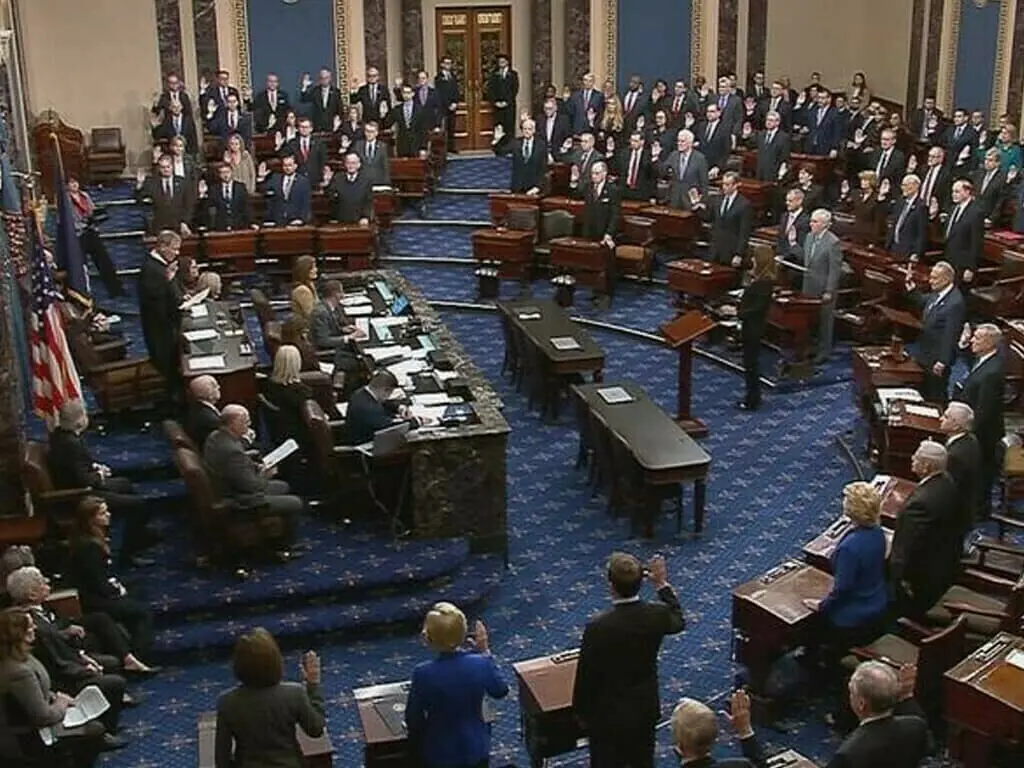

WASHINGTON: The U.S. government entered what is expected to be a brief shutdown on Saturday after Congress failed to approve a deal to keep a wide swath of operations funded ahead of a midnight deadline.
After hours of delay, the Senate passed the spending package by a bipartisan vote of 71 to 29. But the House of Representatives is out of town and not expected to take up the measure until Monday, according to a Republican leadership aide who spoke on condition of anonymity.
That partial shutdown took effect at 12:01 a.m. Eastern time (0501 GMT).
The shutdown is likely to be brief. Lawmakers from both parties have been working to ensure a debate over immigration enforcement does not disrupt other government operations. This is a marked contrast from last fall, when Republicans and Democrats dug into their positions in a dispute over healthcare, prompting a shutdown that lasted a record 43 days and cost the U.S. economy an estimated $11 billion.
Trump signs deal to end longest US government shutdown in history
Debate over immigration enforcement tactics
The government has endured 10 funding gaps of three days or fewer since 1977, most of which had little real-world effect, according to the Congressional Research Service.
The deal approved by the Senate would separate funding for the Department of Homeland Security from the broader funding package, allowing lawmakers to approve spending for agencies like the Pentagon and the Department of Labor while they consider new restrictions on federal immigration agents.
Senate Democrats, angered by the shooting of a second U.S. citizen by immigration agents in Minneapolis last weekend, had threatened to hold up the funding package in an effort to force Trump to rein in DHS, which oversees federal immigration enforcement.
Democrats want to end roving patrols, require agents to wear body cameras and prohibit them from wearing face masks. They also want to require immigration agents to get a search warrant from a judge, rather than from their own officials. Republicans say they are open to some of those ideas.
DHS funding would be extended for two weeks, giving negotiators time to reach an agreement on immigration tactics.
The shooting death of nurse Alex Pretti by federal agents on Saturday spurred widespread public outrage, prompting the Trump administration to de-escalate operations in the region. Pretti’s death was the second this month of a U.S. citizen with no criminal record involving immigration law enforcement agents.




















Comments
Comments are closed for this article.