


US rate check masks stiff hurdle to coordinated yen intervention
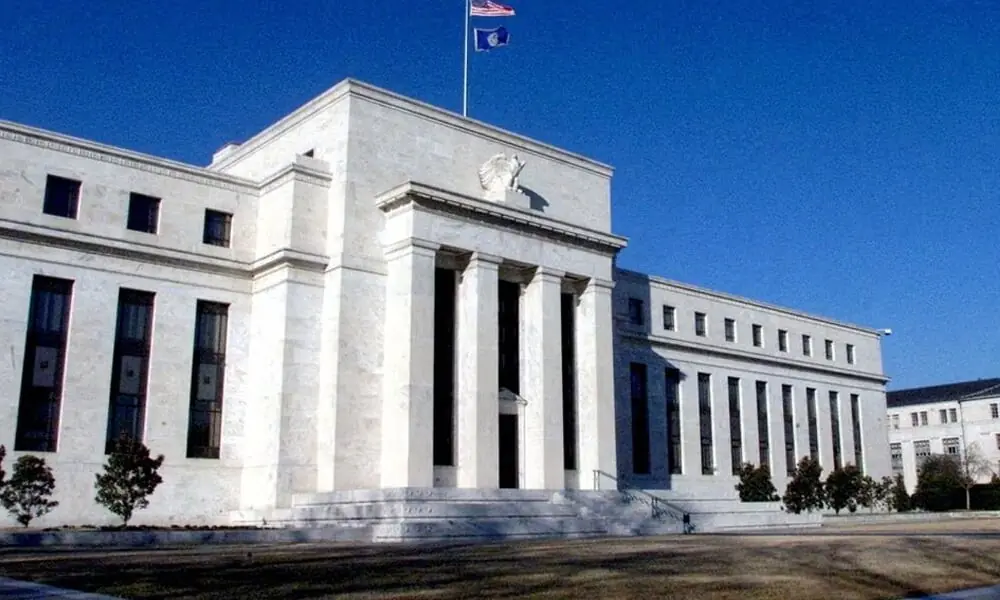

The unusual rate check by the New York Federal Reserve that triggered a spike in the stubbornly weak yen has lowered the threshold for intervention, but coordinated Japan-US selling of dollars still looks highly unlikely at this stage.
The Fed’s action late on Friday was the strongest signal to date that Japanese and US authorities were working closely together to stem the currency’s decline, keeping markets on high alert for intervention.
Yet, direct coordinated intervention may not happen as quickly as markets may be expecting, analysts say, partly due to domestic considerations in the US - suggesting Washington’s support for Japan’s concerns over an excessively weak yen is likely to extend only to rate checks for now.
“Past coordinated intervention came in very rare circumstances such as during a financial crisis or a big natural disaster,” said Junya Tanase, chief Japan currency strategist at JP Morgan. “We think the distance between joint rate checks to coordinated intervention is quite big.”
For now, fears of intervention alone have pushed the yen off 18-month lows, offering some relief to Japanese policymakers fretting about the inflationary impact of the currency’s declines.
To be sure, the Fed’s rate check didn’t happen in isolation.
It was a culmination of a five-year effort by Japan to persuade the US into signing last year a bilateral statement authorising use of currency intervention to combat excessive volatility, say officials involved in the negotiations.
Japanese Finance Minister Satsuki Katayama has repeatedly stressed that she was aligned with US Treasury Secretary Scott Bessent on currency issues.
Her warning against yen bears reached a peak on January 16, when she said Japan will take decisive action against speculative yen moves. When asked about the chance of joint Japan-US action, she said “no options are excluded.”
Washington also had reason to join Japan’s efforts to combat the market rout that pushed down not just the yen but Japanese government bonds with spillover into the US Treasury market.
Bessent signalled Washington’s displeasure over the repercussions from the rising Japanese yields, saying in Davos on January 20 that it was “very hard to disaggregate the market reaction from what’s going on endogenously in Japan.”
Days later, BOJ Governor Kazuo Ueda underscored the bank’s readiness to work closely with the government to contain sharp rises in yields, including via emergency bond-buying operations.
The tough talk seems to be working for now. The yen rose to a two-month high of 153.89 per dollar on Monday, well off the 160 level seen as authorities’ line-in-the-sand for intervention. The yield on the 10-year bond fell 1 basis point to 2.225%.
But the big question for markets is whether joint US-Japan intervention is imminent, and whether the US sees a compelling reason to engage in coordinated action.
“In reality, the US probably doesn’t want to buy a currency like the yen that has seen its value depreciate for five straight years,” said Shota Ryu, FX strategist at Mitsubishi UFJ Morgan Stanley Securities.
“Washington could possibly cooperate with one small intervention. But it won’t help in a way that could have a lasting effect in turning around the yen’s downtrend.”
Actual intervention is not without cost.
Japan would need to sell a portion of its US Treasury holdings if it were to conduct yen-buying intervention continuously, a move that may push up US yields - something Washington may not like happening with markets already volatile.




















Comments
Comments are closed for this article.