


Debt crisis rooted in spending, not taxation issues: Gohar
- Ejaz says Pakistan’s public debt trajectory over the past decade clearly shows that ballooning government spending has overwhelmed gains made through higher tax collection
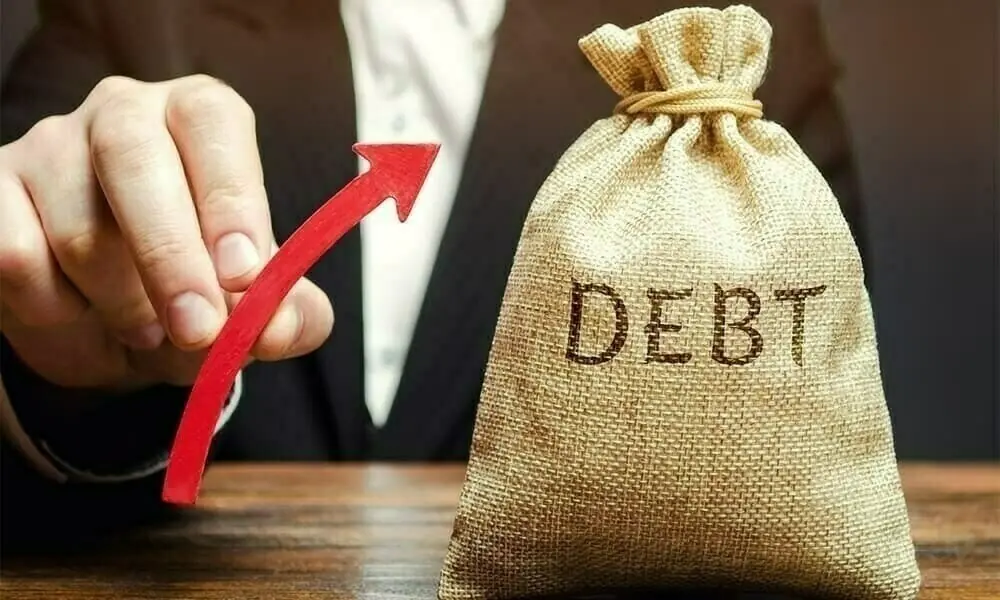

ISLAMABAD: Former caretaker federal minister and Economic Policy and Business Development (EPBD) think tank Chairman Gohar Ejaz has warned that Pakistan’s deepening debt crisis is fundamentally an expenditure problem rather than a taxation failure, challenging the long-held policy narrative that low tax collection is the primary cause of fiscal stress.
Citing analysis prepared under the Economic Policy & Business Development (EPBD), Ejaz said Pakistan’s public debt trajectory over the past decade clearly shows that ballooning government spending —particularly debt servicing — has overwhelmed gains made through higher tax collection.
“Pakistan’s public debt has become a major issue over the last 10 years. The data clearly shows it is driven not by inadequate tax collection from taxpayers, but by the government’s budgetary expenditures,” Ejaz said in a post accompanied by comparative fiscal charts.
Read More: Pakistan’s debt quagmire, IMF dependence, and Budget FY2025-26
According to EPBD data, tax revenues increased by 302 percent between FY15 and FY25, rising from Rs2.91 trillion to Rs11.7 trillion, reflecting repeated tax hikes, withdrawal of exemptions, and aggressive revenue measures imposed on documented sectors.
However, during the same period, public debt surged by 365 percent, jumping from Rs17.3 trillion to Rs80.5 trillion, far outpacing revenue growth.
The figures revealed a stark fiscal paradox: for every additional rupee collected in taxes, Pakistan added Rs7.2 to its debt, with total debt rising by Rs63.2 trillion over the decade despite a Rs8.79 trillion increase in tax revenue.
Ejaz stressed that during the last three years domestic debt servicing has emerged as the single largest contributor to expenditure growth, crowding out development spending and productive investment.
“The major portion of expenditure growth in recent years is debt servicing of domestic debt, which has created a vicious cycle—borrowing to pay interest, and paying interest by borrowing more,” he noted.
Ejaz warned that continued reliance on higher taxation without expenditure discipline is eroding competitiveness, shrinking the formal economy, and discouraging investment, particularly in export-oriented industries already burdened by high energy costs and financing constraints.
“Without controlling expenditure, especially debt servicing and inefficiencies in the public sector, no amount of taxation can put Pakistan on a sustainable fiscal path,” he said.
Copyright Business Recorder, 2026



















Comments
Comments are closed for this article.