


Telecom operators caution govt against ‘rushing’ for 5G auction
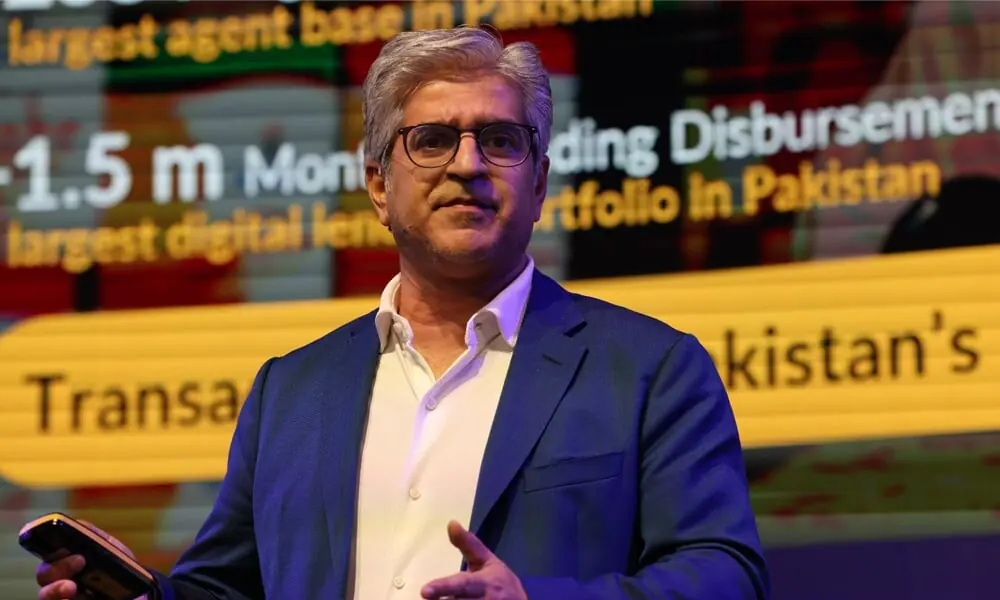
ISLAMABAD: As Pakistan prepares to auction 5G spectrum, Telecom Operators Association of Pakistan Chairman Aamir Ibrahim has cautioned against rushing into next-generation networks without affordable devices, warning that premature rollout could drain scarce foreign exchange and divert capital away from improving connectivity.
Aamir said Pakistan’s digital future will not be shaped by how quickly 5G networks are launched, but by whether ordinary citizens can afford the devices required to use them and find enough everyday value to stay connected. “Technology introduction by itself does not transform societies. Using that technology does,” he writes.
While public discourse around 5G has largely focused on global competitiveness and future readiness, Aamir argued that the debate has overlooked a more basic question: who will actually use 5G in Pakistan.
According to industry estimates, only about two percent of mobile users in Pakistan currently own a 5G-enabled handset. Entry-level 5G smartphones start at roughly PKR 90,000 while a top iPhone variant can cost up to PKR 700,000. With the majority of mobile users on prepaid connections and average incomes remaining low, Aamir said that device affordability alone excludes most Pakistanis from any meaningful 5G experience.
The local manufacturing data reinforces this point. Between 2019 and late 2025, Pakistan assembled approximately 152 million mobile devices domestically, nearly 60 percent of which were basic 2G feature phones. Even within the smartphone category, production has focused almost entirely on low-cost 4G devices, with virtually no 5G models assembled locally.
Aamir noted that adding 5G capability further raises handset manufacturing costs, largely due to more complex modems and radio components. In price-sensitive markets like Pakistan, even modest cost increases can push devices beyond mass-market reach. He also points out that retooling assembly lines to support 5G typically takes several months, meaning local production cannot shift quickly even if policy clarity improves.
Beyond device costs, the absence of widespread handset financing further constrains adoption. Unlike developed markets where operators bundle smartphones with service plans and offer installment options, Pakistan lacks a mature consumer credit ecosystem. As a result, consumers are typically required to pay the full price upfront, making high-end devices inaccessible to many.
Aamir warned that focusing policy efforts on rollout timelines and coverage obligations without addressing demand-side barriers risks creating underutilised networks. “An expensive and empty 5G network would not be a marginal shortcoming. It would be a national failure,” he argues.
He also highlighted a “usability gap” in Pakistan’s digital landscape. Even where network coverage exists, millions remain offline due to limited digital skills, lack of relevant local content, and low trust in digital services. More than a decade after Pakistan’s first 4G auction, roughly one in four mobile customers still does not use mobile broadband.
Without addressing these issues, Aamir cautioned that 5G could widen rather than narrow the digital divide, benefiting a small urban elite while leaving the majority behind. He called on regulators and government to adopt a more balanced approach, including reducing device taxation, enabling financing models, and aligning spectrum policy with consumer realities.
Ultimately, Aamir argued that the success of 5G should not be measured by auction revenues or coverage maps, but by how many Pakistanis can actually participate in the digital economy. “Pakistan does not need to win a race to launch 5G defined elsewhere,” he said. “It needs digital policy that prioritises affordability, usability, and long-term inclusion over speed and symbolism.”
Copyright Business Recorder, 2026

















Comments
Comments are closed for this article.