


EDITORIAL: India’s push to weaponise water shows no signs of abating
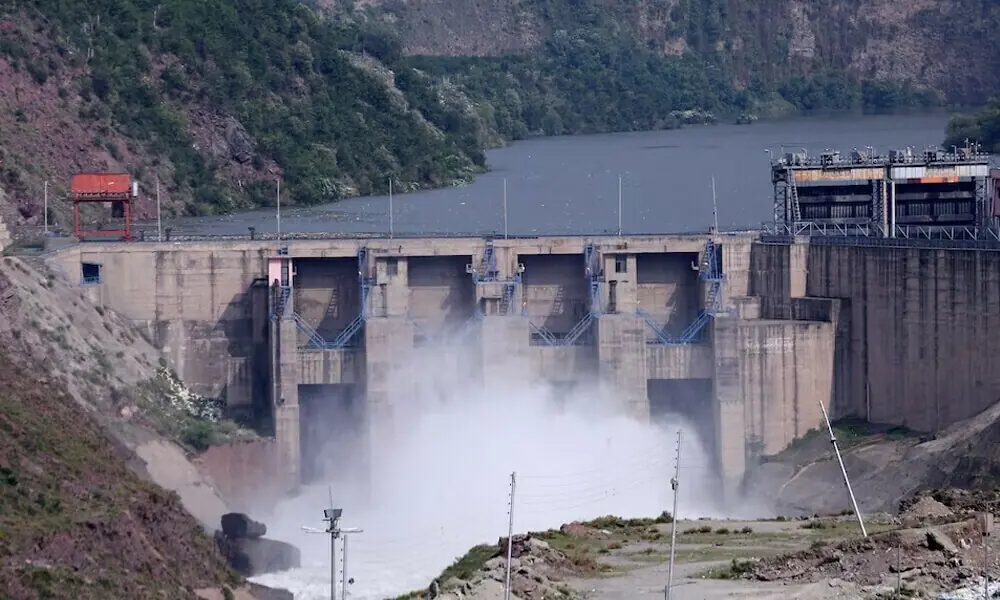
EDITORIAL: India’s push to weaponise water shows no signs of abating, with media reports emerging that its ministry of environment had last week approved the 258MW Dulhasti Stage-II hydropower project on the Chenab River in Illegally Indian-Occupied Jammu and Kashmir.
The move follows earlier reported approvals in October for the far larger 1,856MW Sawalkote project, long stalled amid serious environmental objections over forest loss, as well as constraints imposed by the Indus Waters Treaty (IWT), which New Delhi has put in abeyance ever since the Pahalgam incident last year.
As has been reported by The Hindu, the suspension of the treaty and hardening of relations with Pakistan have spurred India to consider accelerating hydropower construction across the Indus basin. Seven projects that had long been stalled now appear to be fast-tracked, along with Dulhasti Stage-II and Sawalkote.
The pattern is unmistakable and troubling: environmental safeguards and the spirit of the IWT are being pushed aside to assert control over western rivers allocated to Pakistan, where India is meant to have largely non-consumptive use only. Anxieties surrounding our eastern neighbour turning water into a strategic weapon are no longer theoretical.
Just last month, abrupt, unexplained fluctuations in the flow of the Chenab and Jhelum rivers had caused unease among Punjab’s farmers. Similar misgivings had also surfaced during the summer, when India’s upstream handling of water releases heightened concerns that shared rivers are increasingly being managed in ways that sidestep the treaty’s binding framework and established limits.
But the stakes would rise in a much more consequential manner with large-scale hydropower construction. Unlike episodic adjustments in water releases, mega projects embed control in concrete and steel, giving the upper riparian the ability to regulate timing and volume of flows on a more permanent basis.
Hydropower construction on the Chenab and Jhelum could create enduring leverage over downstream users, where regulation through storage and gated spillways would translate into sudden surpluses or shortages during critical agricultural periods. This could have devastating consequences for Pakistan’s agriculture — the backbone of our economy — putting millions of farmers at risk. The ripple effects, in fact, would extend far beyond the fields, disrupting agro-based industries, food processing, rural employment and national food security, while reduced crop yields could strain exports, drive up prices and destabilise the wider economy.
Islamabad’s framing of the suspension of the IWT as an act of war, then, is entirely justified. Yet what India ignores is that the fallout from any hydropower construction on the western rivers will not be limited to Pakistan.
The Chenab has already lost roughly a third of its glacial volume due to the impact of climate change, and with half its flow reliant on meltwater, large-scale projects on the river could compromise water availability and crop cycles within India itself, besides threatening the ecological balance of the wider Himalayan region – a textbook case of cutting off its nose to spite its face.
While the Pakistani commissioner for Indus Waters Treaty has sought clarification from his Indian counterpart on the reported projects, Islamabad must move beyond reactive inquiries.
It needs to strengthen its water security by closely monitoring river flows using advanced hydrological and satellite systems, improving irrigation efficiency and storage infrastructure to reduce its vulnerabilities and commissioning independent studies to assess the impact of upstream projects on agriculture, hydropower and overall water availability, with findings widely publicised to raise international awareness of India’s weaponisation of water.
Diplomatic efforts must expose New Delhi’s willingness to imperil millions of lives and an entire ecosystem. While responsibility for this current state of affairs lies squarely with India, Pakistan cannot remain passive and must act decisively to hold it accountable for flouting treaty obligations and regional stability.
Copyright Business Recorder, 2026




















Comments
Comments are closed for this article.