


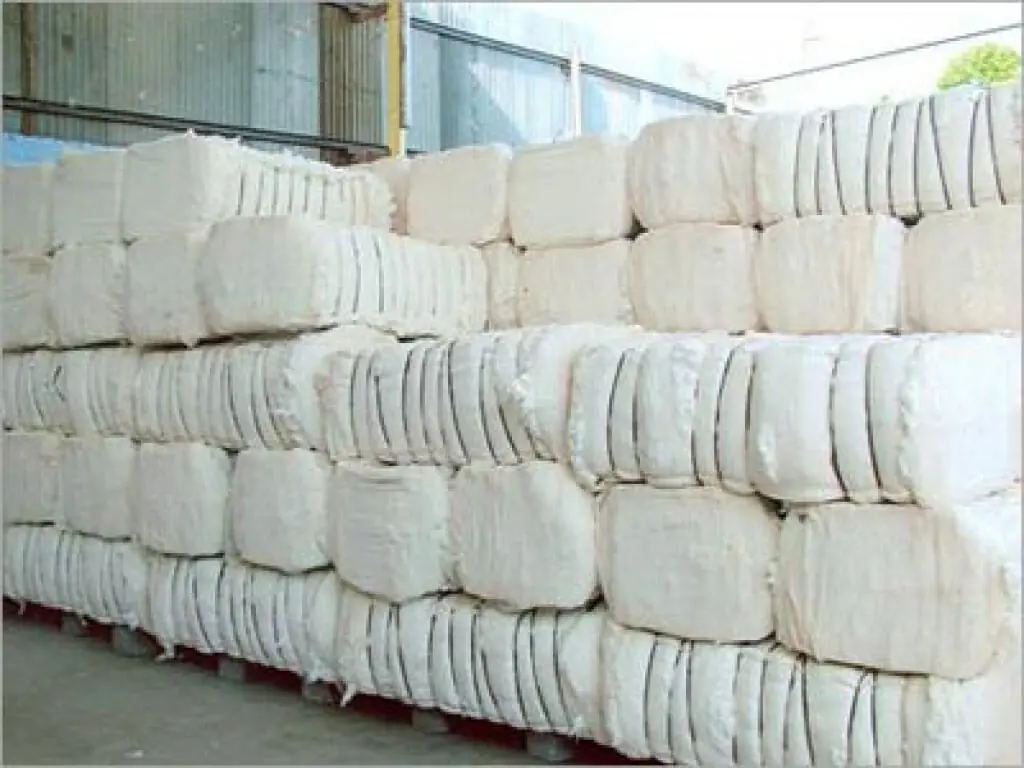

LAHORE: According to the data released by the Pakistan Cotton Ginners Association (PCGA) on January 3, 2026, a total of 5,434,044 bales of cotton had been recorded in Pakistan as of December 31, 2025. During the same period last year, the total cotton arrivals were 5,452,250 bales, indicating that no significant increase or decrease in arrivals was observed.
According to available data, textile mills consumed 4,708,380 bales this year, while exporters and market players received 176,000 bales. In comparison, textile mills had utilized 4,650,000 bales last year, and exporters and market players received 180,000 bales.
At present, the total cotton stock in the country stands at 549,664 bales, including 481,966 pressed bales and 67,698 loose bales. Last year at this time, the total stock was 588,531 bales, indicating a slightly lower stock level this season.
This year, cotton flow has been recorded at 132,636 bales, compared to 84,916 bales last year, reflecting a notable change in the movement of cotton. Currently, 223 ginning factories across the country are operational and utilizing available cotton.
The total annual cotton demand of Pakistan’s textile industry is approximately 16 million bales. However, for several years, available figures have remained limited to 11 to 12 million bales. To bridge this gap, around 5 million bales are imported annually, costing billions of dollars. This highlights the importance of enhancing domestic cotton production to strengthen the textile sector’s capacity and contribute positively to the national economy.
Sajid Mahmood Head Transfer of Technology Central Cotton Research Institute Multan while talking to Business Recorder said that investment in research and development is essential to improve cotton production, effectively addressing challenges related to climate change, crop diseases, seed quality and farmers’ production constraints. In addition, rigorous monitoring and the implementation of video surveillance at the ginning stage are crucial to accurately account for 2 to 3 million unregistered bales each year and to ensure alignment between PCGA and the Punjab Agriculture Department’s Crop Reporting Service data.
Sajid said APTMA’s position is fully valid and commendable, that video monitoring and strict oversight should be applied at the ginning level. This will ensure transparency, provide accurate estimates of cotton stocks, market transactions and production, and identify unregistered bales. Implementing APTMA’s recommendation will not only enhance domestic production but also strengthen the capacity of the textile sector and contribute to national economic stability.
Copyright Business Recorder, 2026




















Comments
Comments are closed for this article.