


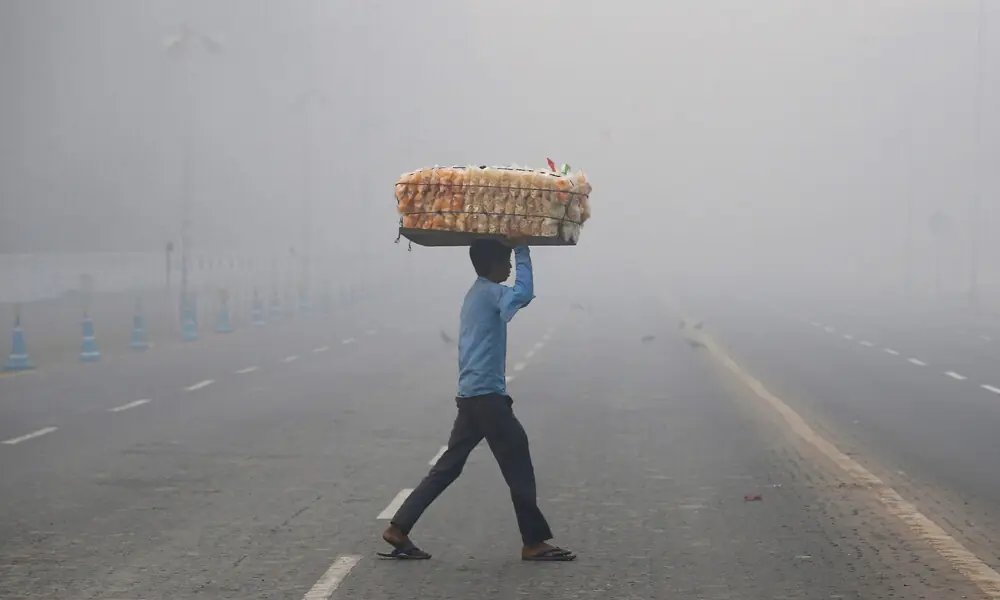

MUMBAI: India is set to see below-average maximum and minimum temperatures in January, the weather office said on Thursday, raising the prospect of higher yields for key winter-sown crops such as wheat, rapeseed and chickpeas.
The country is also likely to experience an above-average number of cold-wave days, particularly across central and eastern India, Mrutyunjay Mohapatra, director-general of the India Meteorological Department, told an online news conference.
“Over parts of Vidarbha and adjoining Marathwada, as well as parts of Madhya Pradesh, eastern Uttar Pradesh and Bihar, we expect one to three additional cold-wave days in January,” he said.
Punjab, Haryana, and Uttar Pradesh states in the north, along with Madhya Pradesh in central India, form the country’s top wheat-growing regions.
Winter-sown crops such as wheat, rapeseed, and chickpeas are planted from October to December and require cold weather conditions during their growth and maturity stages for optimal yields.
Read more: At least 18 dead as rains lash west India state
In recent years, maximum and minimum temperatures from January to March have been above normal, adversely affecting yields of winter crops.
This year, however, minimum temperatures across most parts of the country are likely to stay below average, except in some areas of the northwest and northeast, Mohapatra said.
Rainfall in northern and northwestern states is likely to remain below average during January–March, he said.
Farmers have so far planted winter-sown crops on 61.4 million hectares since sowing began on October 1, up 1.1% from a year ago, data from the farm ministry showed.
“Temperatures in wheat and rapeseed-growing states have been conducive to crop growth, and if they remain normal to below normal, we can certainly expect bumper yields this year,” said a Mumbai-based dealer with a global trade house.

























Comments
Comments are closed for this article.