


Why did govt decide to give cotton export approval to the SBP?
- Ensuring timely realisation of export proceeds requires proper monitoring, which falls under the SBP, explained one expert
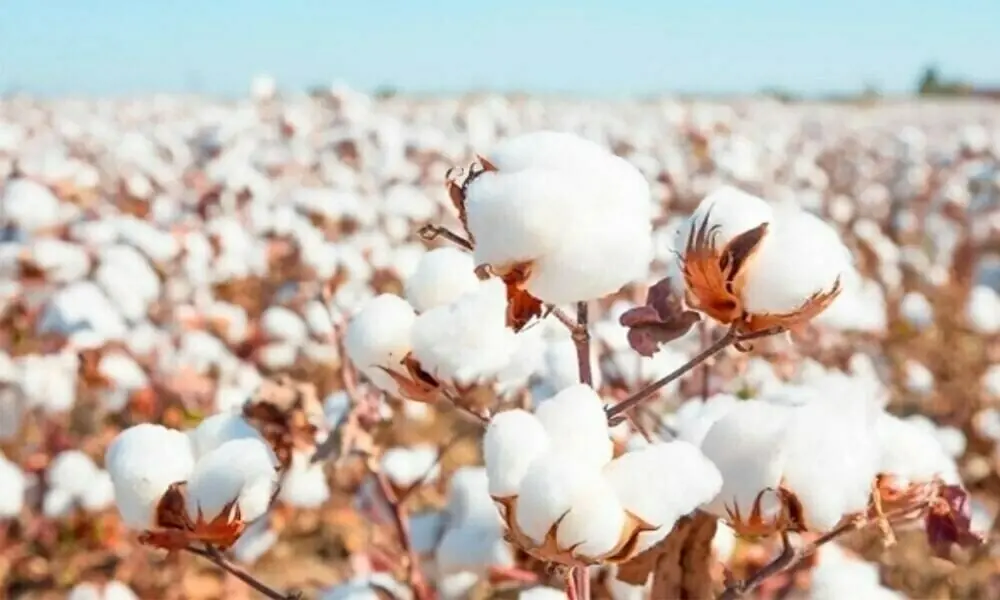
The government’s decision to shift cotton export approvals from the Trade Development Authority of Pakistan (TDAP) to the State Bank of Pakistan (SBP) was made to ensure timely realisation of foreign exchange, enforce contracts, and tackle pricing issues amid a shortfall of seven to eight million bales, experts said.
The TDAP was “unable to pursue foreign exchange proceeds from exports, as it does not manage FX operations,” Arif Habib Commodities CEO Ahsan Mehanti said while talking to Business Recorder.
Also read: Pakistan rice exports plunge as Indian supply returns to global markets, experts say
“Ensuring timely realisation of export proceeds requires proper monitoring, which falls under the SBP, as it maintains records of foreign exchange inflows and export refinance data,” Mehanti said.
Meanwhile, AKD Securities Research Director Muhammad Awais Ashraf said there was a pricing issue that was not handle by the TDAP. “That’s why the federal government decided to introduce SBP to tackle the situation.”
According to Ashraf, Pakistan is facing a shortfall of seven to eight million bales of cotton, and the country plans to meet this gap through imports. “To secure more competitive prices, the decision to switch suppliers has been taken.”
JS Global Head of Equity Research Waqas Ghani hailed the government decision, maintaining that the TDAP was not a financial regulator but a promotional body.
“By moving oversight to the SBP, the government ensures proper vetting of export contracts, enforcement of obligations and penalisation on non-performance via forfeiture of security deposit.
Pakistan’s cotton production has fallen sharply to 6.8 million bales in the 2025-26 season, 34% below the target of 10.18 million bales.
Earlier, Federal Committee of Agriculture (FCA) meeting held in April had fixed a production target of 10.18 million bales from 2.2 million hectares. This year, cotton was sown on 2.0 million hectares, 11.5% less than the target.
The shortfall was attributed to multiple challenges, including climate change, unexpected rains and floods, pest infestations like White Fly and Pink Bollworm, Chilli Leaf Curl Virus Disease (CLCVD), limited seed technology, and competition with other crops.

















Comments
Comments are closed for this article.