


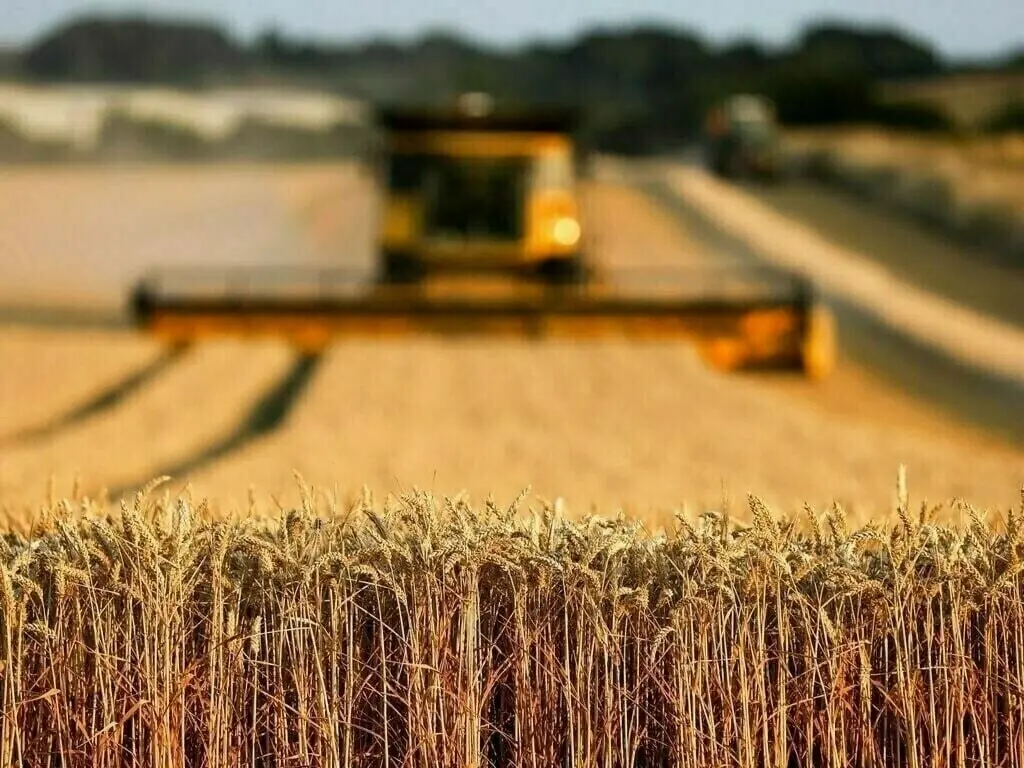

Pakistan’s agriculture sector is not underperforming by accident. It is failing by deliberate policy choice, entrenched political capture, and intellectual stagnation.
We romanticize the farmer while preserving a system that institutionalizes inefficiency, wastes our most precious resource—water—depletes our soil, and condemns rural communities to persistent poverty. This is not mismanagement; it is sabotage of our national future.
If Pakistan is serious about economic survival, let alone revival, this sector must grow at a minimum of 10 percent annually for the next decade. This is no lofty aspiration; it is an arithmetic necessity. Without it, overall GDP growth will remain stunted, food inflation will continue to erode household budgets, and rural despair will deepen, fueling social instability.
The tragedy—and the opportunity—is that the solutions are well-known, affordable, and within reach. What has been lacking is the will to implement them.
A national charter for agricultural revival
We must move beyond ad-hoc announcements and commit to a clear, non-negotiable five-year charter with measurable targets:
• Crop productivity: Increase by 25 percent.
• Water efficiency: Reduce water use per acre by 30 percent.
• Post-harvest losses: Slash from an estimated 35 percent to under 15 percent.
• Import bill: Save USD 5–7 billion annually through substitution.
• Sector growth: Sustain 10–12 percent growth.
• Employment: Generate 4–5 million direct and indirect jobs.
Anything less constitutes a deliberate policy failure.
- Productivity: Confront the yield gap
Our yields for staple crops like wheat, rice, and maize lag 30–60 percent behind global benchmarks. This is not a reflection of the farmer’s capability but of the state’s neglect. We must:
• Digitize and revitalize extension services, linking them to demonstrable results.
• Make soil-testing mandatory for access to subsidized inputs.
• Replace blanket subsidies with smart incentives that reward yield improvement per acre, not per acre owned.
A 25 percent productivity gain alone could add PKR 3-4 trillion annually to the agricultural GDP.
- Water: The crisis we can no longer ignore
Pakistan wastes water like a wealthy nation but farms like a poor one. Politicized ‘free’ water perpetuates destructive flood irrigation. The agenda is clear:
• Convert 25 percent of irrigated area to drip/sprinkler systems.
• Line 50 percent of high-loss canals.
• Register and meter all commercial tube-wells.
Such reforms could save enough water to bring 2-3 million new acres under cultivation, stabilize collapsing groundwater tables, and unlock an estimated 2 percentage points of sectoral growth.
- Mechanization: Access over ownership
The decades-old debate over land consolidation has been a costly distraction. The immediate need is access, not ownership.
• Establish a national network of 10,000 custom hiring centers.
• Ensure availability of planters, harvesters, and laser land levelers within 10 km of any farm.
This would cut losses, improve timeliness, boost yields by 15-20 percent, and create a new ecosystem of skilled rural jobs in machinery services and logistics.
- Seeds: End the fraud
Fake and substandard seeds are an act of “economic terrorism” against the farmer. A zero-tolerance policy requires:
• 100 percent certified seed traceability.
• Rapid scaling of climate-resilient and hybrid varieties.
• Pragmatic, controlled import of superior genetics where local R&D lags.
The potential? A 20-30 percent yield gain without using an extra drop of water or an extra inch of land.
- Cold chains: From waste to wealth
We throw away PKR 1.5-2 trillion worth of fruits and vegetables annually—a scandal of monumental proportions.
• Increase cold storage capacity to cover 50 percent of horticulture output.
• Build modern pack-houses in every major production cluster.
• Incentivize refrigerated transport.
This “low-hanging fruit” could directly add PKR 700-900 billion to GDP and create a million jobs in logistics and value addition.
- Strategic cropping & value addition: Earn, don’t beg
Growing water-guzzling sugarcane in arid zones is not tradition; it is economic and ecological malpractice. We must:
• Shift 20 percent of such area to oilseeds, pulses, and high-value crops.
• Enforce scientific crop zoning.
• Process 30 percent of our fruits and vegetables locally and target a doubling of agro-exports to USD 8–10 billion.
The result? Billions saved on edible oil and pulses imports, millions of industrial jobs created, and a stronger rupee buoyed by export earnings.
The bottom line: reform or irreversible decline
Taken together, this agenda is a blueprint for national renewal. It promises:
• An additional 2.5-3 percent to national GDP growth.
• PKR 6-8 trillion annually added to the economy.
• 4-5 million new jobs.
• Lower, stable food prices.
• Reduced external dependence.
• Prosperous rural communities.
Pakistan does not need more foreign loans or lectures. It needs the political courage to dismantle the vested interests that profit from the status quo. Our agriculture can once again be the engine of national growth, but only if we abandon the comforting delusion that incremental tweaks will suffice.
The clock is ticking. The water tables are falling. A generation of rural youth is losing hope.
The choice is no longer between reform and the status quo. It is between reform and irreversible decline.
(The writer is a former Chairman of Punjab Central Business District Development Authority (CBD), Punjab Board of Investment and Trade (PBIT), and Taskforce on Governance, Reforms & Monitoring (CM Office, Punjab). Former Head of Investor Facilitation Cell, Chief Minister’s Office, Punjab)
Copyright Business Recorder, 2025


























Comments
Comments are closed for this article.