


Global LNG: Asia spot LNG prices edge up on South Korean demand
- The average LNG price for February delivery into Northeast Asia was estimated at $9.60 per million British thermal units
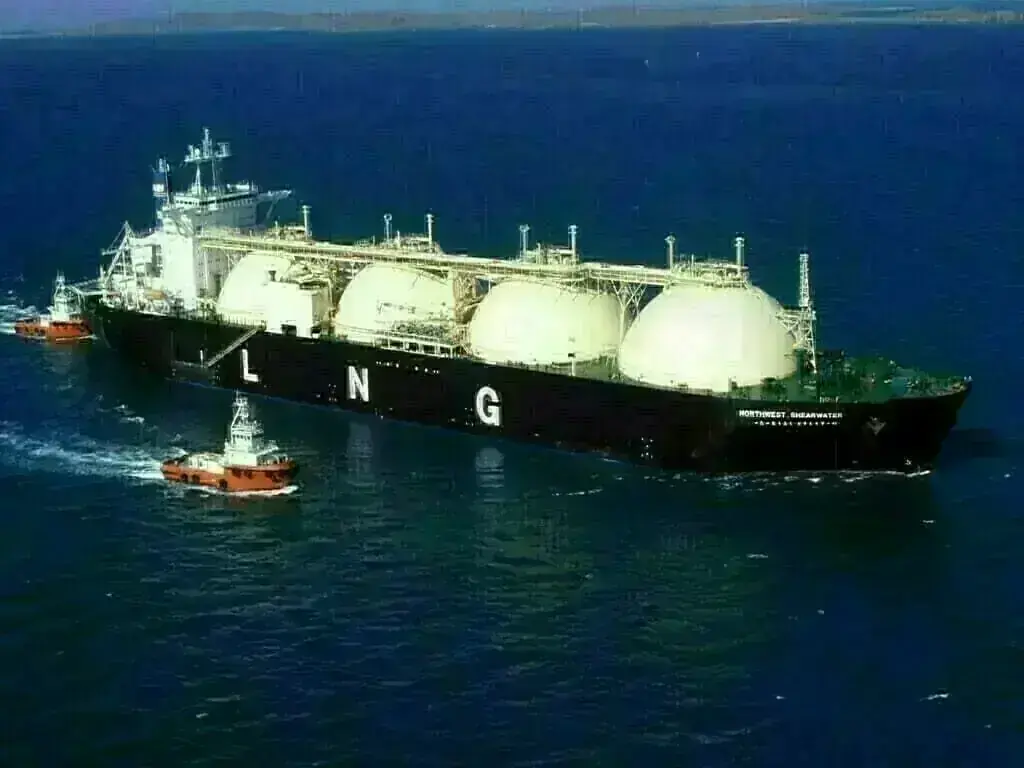

LONDON: Asian spot liquefied natural gas prices edged up this week as forecasts for colder weather boosted demand in South Korea, but overall weak buying in China left prices down 34% since the start of 2025.
The average LNG price for February delivery into Northeast Asia was estimated at $9.60 per million British thermal units (mmBtu), up from $9.50 last week, the lowest since April 2024, industry sources said.
“The market still seems to be pressured by the continuous soft demand from Asia with weak economic indicators and ample alternative supplies like coal in China. Also La Nina (weather pattern forecast) did not bring yet the colder phases that some might be expecting,” said Klaas Dozeman, market analyst at Brainchild Commodity Intelligence.
Colder spells over the coming week in South Korea and China might modestly increase demand, he added.
Spot buying interest has emerged in South Korea, with temperatures set to fall to two-year lows on December 26, said Martin Senior, head of LNG pricing at Argus, adding that five cargoes had been diverted from China to South Korea in recent weeks.
EUROPEAN GAS PRICES UP
In Europe, gas prices rose slightly amid thin trading ahead of the Christmas holiday as forecasts for a cold spell boosted demand.
S&P Global Energy assessed its daily Northwest Europe LNG Marker for February delivery on an ex-ship basis at $9.001/mmBtu on December 23, a $0.53 discount to the Dutch TTF hub. Argus put the price at $9.015/mmBtu, while Spark Commodities assessed January at $9.110/mmBtu.
“Looking ahead, key LNG gateways into Central and Eastern Europe have surfaced as firm buyers for early Q1 2026, seeking to ease pressure from declining Russian pipeline gas and LNG flows. With Asia and North Africa showing little appetite for spot volumes in Q1, incremental supply is expected to funnel squarely into Europe,” said Aly Blakeway, manager of Atlantic LNG at S&P Global Energy.
Hedge funds dramatically shifted position in TTF futures this year, swinging from a record net long in early February to net short in November, said independent analyst Seb Kennedy.
“2025 will be remembered as a year of transition for EU gas markets, as a ramp-up in LNG supply turned the page on years of crisis and scarcity pricing … With a record 450+ funds now actively trading TTF, speculative capital will continue to exert an outsized influence on EU gas price action in 2026 and beyond,” Kennedy said.
In LNG freight, Atlantic rates fell for the fourth week to $80,750/day, while Pacific rates eased to $71,250/day, said Spark Commodities analyst Qasim Afghan.
The drop in Atlantic freight rates has narrowed the U.S. front-month arbitrage to Northeast Asia via the Cape of Good Hope, but it still points to Europe. The Panama route is marginally pointing to Asia, Afghan added.























Comments
Comments are closed for this article.