


German MPs approve 50 bn euros in military purchases
- Berlin races to overhaul the long-neglected Bundesweh
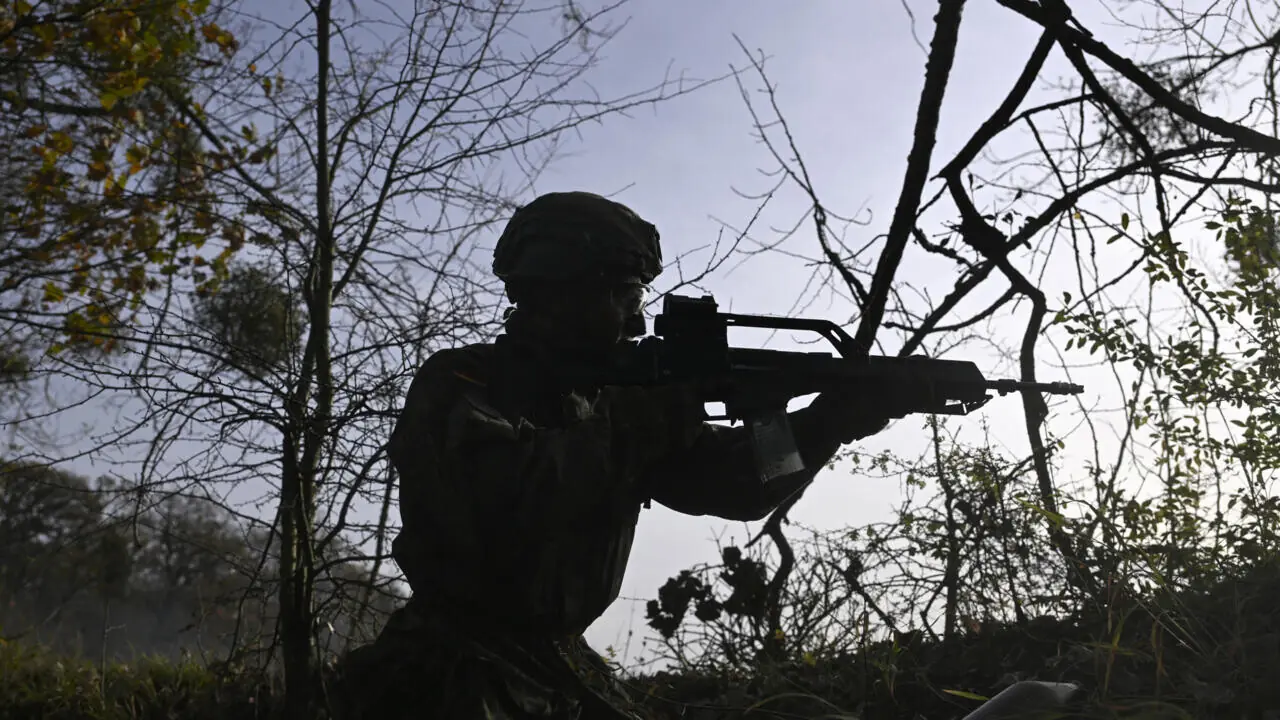

BERLIN: German lawmakers Wednesday approved about 50 billion euros ($59 billion) in military purchases, as Berlin accelerates defence spending in the face of a hostile Russia and signs of weakening security commitments from Washington.
The extensive list of procurements ranged from missiles to artillery, torpedoes, armoured vehicles, satellite systems and new uniforms as Berlin races to overhaul the long-neglected Bundeswehr.
Officials said that the new purchases, greenlighted by parliament’s budget committee, mean a “historic” number of defence acquisitions have been approved this year, worth nearly 83 billion euros.
“We are sending a signal to the (NATO) alliance and our partners: Germany is leading the way,” the defence ministry said in a statement.
German defence giants battle over military spending ramp-up
“We are fulfilling our obligations to the alliance and accepting our responsibility for security and peace in Europe.”
After Russia’s full-scale invasion of Ukraine in 2022, Germany dropped a long-standing pacifist tradition shaped by its dark World War II past and started ramping up spending to overhaul the armed forces.
Signs of the United States’s weakening commitment to European security since US President Donald Trump’s return to the White House further pushed Germany, and the rest of the continent, into speeding up its rearmament.
Chancellor Friedrich Merz, who took office in May, has given the drive even greater momentum, exempting defence spending from strict debt rules to free up more funds.
‘Huge investments’
The defence budget for this year had already been laid out but Wednesday’s purchases had to be approved by parliament’s budget committee, in line with rules that individual acquisitions over 25 million euros must be signed off by MPs.
The purchases spanned more than 30 different projects, including missiles for Patriot and Iris-T air defence systems, artillery, torpedoes, weapon systems for aircraft and unmanned aerial reconnaissance systems, according to the defence ministry.
Germany approves huge spending boost for defence, infrastructure
Among projects approved was a $3.1 billion contract expansion of the Arrow 3 anti-ballistic missile defence system, which is Israeli-made and developed with US support, the Israeli defence ministry announced.
The deal, which was originally signed in 2023, is now worth a total of around $6.5 billion, and the defence ministry said it was Israel’s largest-ever military export contract.
The list also included “combat clothing and equipment” for up to 460,000 troops and protective equipment for 80,000 civilian employees.
“We must be able to equip each and every individual for their specific mission when they join us,” Defence Minister Boris Pistorius said.
“We can’t put young soldiers in tracksuits because their uniforms haven’t been delivered yet.”
The government is seeking to expand the army, which shrank sharply after the end of the Cold War, and German lawmakers this month backed a new scheme aimed at boosting the number of troops.
Officials are not re-introducing mandatory military service but have warned they may do so if they do not get enough people signing up voluntarily.
Germany has dramatically raised its defence spending targets for the coming years.
Berlin announced earlier this year that it will aim to hike core defence spending to 3.5 percent of GDP by 2029, in line with a new NATO target that the alliance agreed to under pressure from Trump.
The government is set to spend more than 500 billion euros on defence between this year and 2029.
Pistorius insisted that the government will handle the massive investments “carefully and conscientiously”.
“Everyone can rest assured that we are very aware of the scale of what we are talking about,” he said.




















Comments
Comments are closed for this article.