


Pakistan cargo transporters call off strike after increase in time for goods movement
- Govt agrees to address transporters' demands including increasing time for 20-feet long 10-wheel cargo vehicles to 19 hours a day on roads
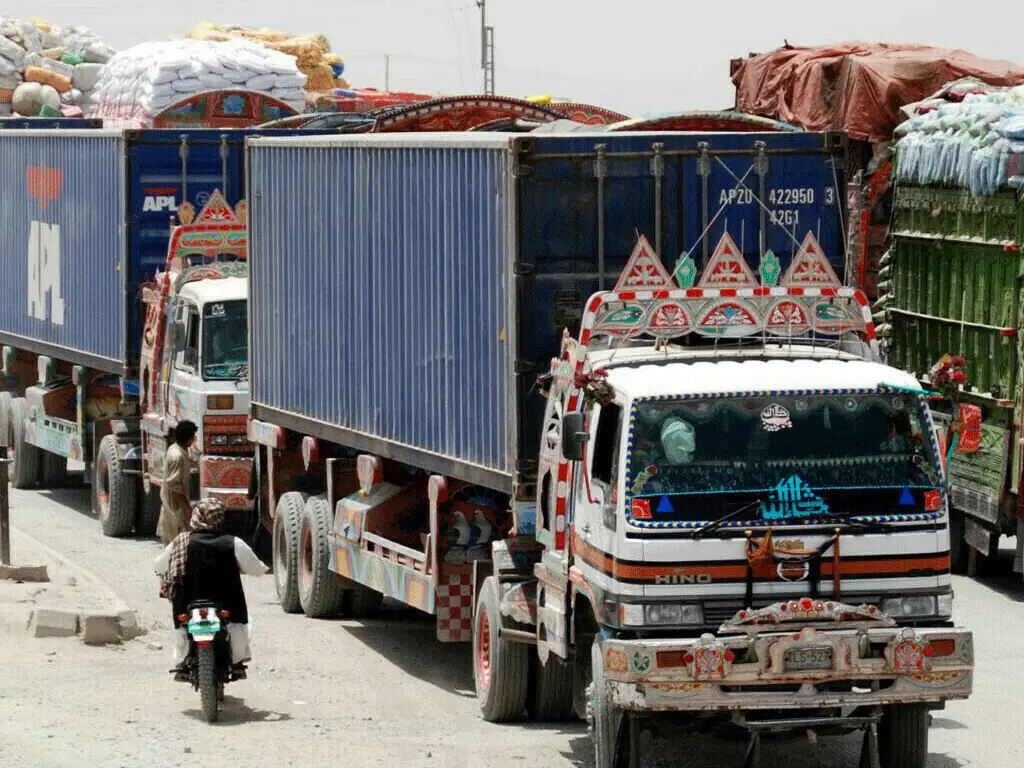

Pakistan’s cargo transporters – including those operating between Karachi seaports and factories nationwide – called off the wheel jam strike on Wednesday, stating that the government had agreed to address their demands including increasing time for “20-feet long 10-wheel cargo vehicles” to 19 hours a day on roads.
Punjab Minister for Transport and Mass Transit Bilal Akbar Khan led the successful negotiations held in Customs House, Karachi. Senior Minister for Punjab Marriyum Aurangzeb joined the meeting virtually via zoom platform, it was learnt.
“We have called off the strike after receiving the government notification carrying details of our demands accepted,” Port Qasim TGA (Transporters Goods Association) chairman Hammas Khan Lodhi told Business Recorder.
TGA, along with other nine transporters associations, remained on the strike for about seven days - from last Thursday to Wednesday – giving millions of rupees economic losses a day to the government exchequer and factory owners.
Strike threatens supply chain as goods transporters protest arrests, vehicle seizures
“We have resumed the transportation activities with immediate effect. The vehicles have set in queue outside Port Qasim and the Karachi Port,” he said.
Lodhi said the government representatives had agreed to increase time for 20-feet long 10-wheel cargo vehicles to 19 hours a day from previously 9-hours a day.
The 10-wheel vehicles would move cargo round the clock. “They will get off the roads twice a day. One at school and office opening time for 2.5-hours and for another 2.5-hours at school closing time,” Lodhi, who was part of the negotiation, said.
The time for 14-wheel cargo vehicles would remain unchanged like from 10pm to 7am, he added.
“Moreover, the government has promised to allot 50 acres of land for the vehicle parking at Karachi NLC near American embassy.”
Last week, the Punjab government had also agreed other cargo transportation associations managing vehicles in the province to call off their strike that time on similar issues.
Strike disrupted medicine supply
Pakistan Pharmaceutical Manufacturers Association (PPMA) former chairman Tauqeer Ul Haq said the strike had disrupted the medicine supply chain, resulting into shortages of drugs in some localities in the country.
The strike has impacted the import and export activities as well, as pharmaceutical manufacturing firm import most of the raw material.
Earlier, the closure of border with Afghanistan caused suspension of exports to the neighboring land-lock state, giving a $200 million loss to pharma firms in Pakistan.




















Comments
Comments are closed for this article.