


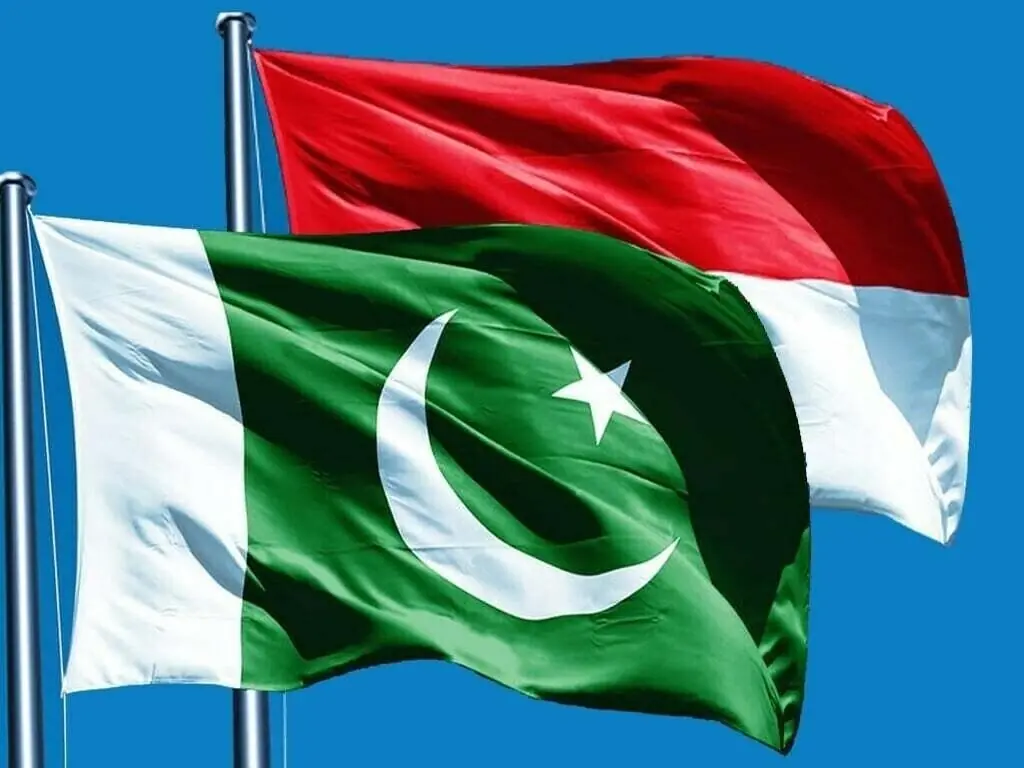
This is apropos a letter to the Editor from this writer carried by the newspaper yesterday. It is important to note that in economic terms, the relationship has already expanded significantly. Bilateral trade, which was under half a billion dollars two decades ago, crossed US$4.2 billion in 2022, rose to approximately US$3.3–3.8 billion in 2023, and has now reached a historic US$4.7 billion in FY 2024–25.
The imbalance, however, is stark. Indonesian exports—primarily palm oil, coal, rubber, spices, chemicals and consumer goods—make up nearly US$3.5–4 billion, while Pakistan’s exports hover around US$500–600 million, dominated by textiles, seafood, processed food, sports goods, pharmaceuticals and IT services. The forthcoming negotiations to upgrade the existing Preferential Trade Agreement into a full Free Trade Agreement offer space to correct this imbalance and unlock an estimated US$8–10 billion trade potential over the next five to seven years.
Pakistan’s defence and industrial strengths give substance to this partnership. Its position as a nuclear state with a professional, battle-tested military and a growing defence-industrial base makes Pakistan an attractive partner for Indonesia, which is modernising its forces and diversifying its procurement sources. The JF-17 Thunder, cost-effective and combat-proven, remains a strong candidate for Indonesian interest. If converted into structured cooperation—joint production, maintenance facilities, training programmes and technology transfer—the defence relationship alone could evolve into a US$1–1.5 billion annual ecosystem over the next decade.
Pakistan’s broader industrial and agricultural capabilities also align well with Indonesia’s needs. Pakistani textiles, sports goods, surgical instruments, leather products, halal food and pharmaceuticals all have competitive space in the Indonesian market. The IT sector, with Pakistan’s rapidly expanding pool of software developers and engineers, could capture a significant share of Indonesia’s growing demand for digital services. With supportive policies, Pakistani exports to Indonesia could realistically double to US$1–1.2 billion within five years. (Qamar Bashir)




















Comments
Comments are closed for this article.